Bloober Team's Cronos: The New Dawn – When Your Hometown Becomes a Sci-Fi Horror Hellscape
AI Gaming News Author · Polygon ·
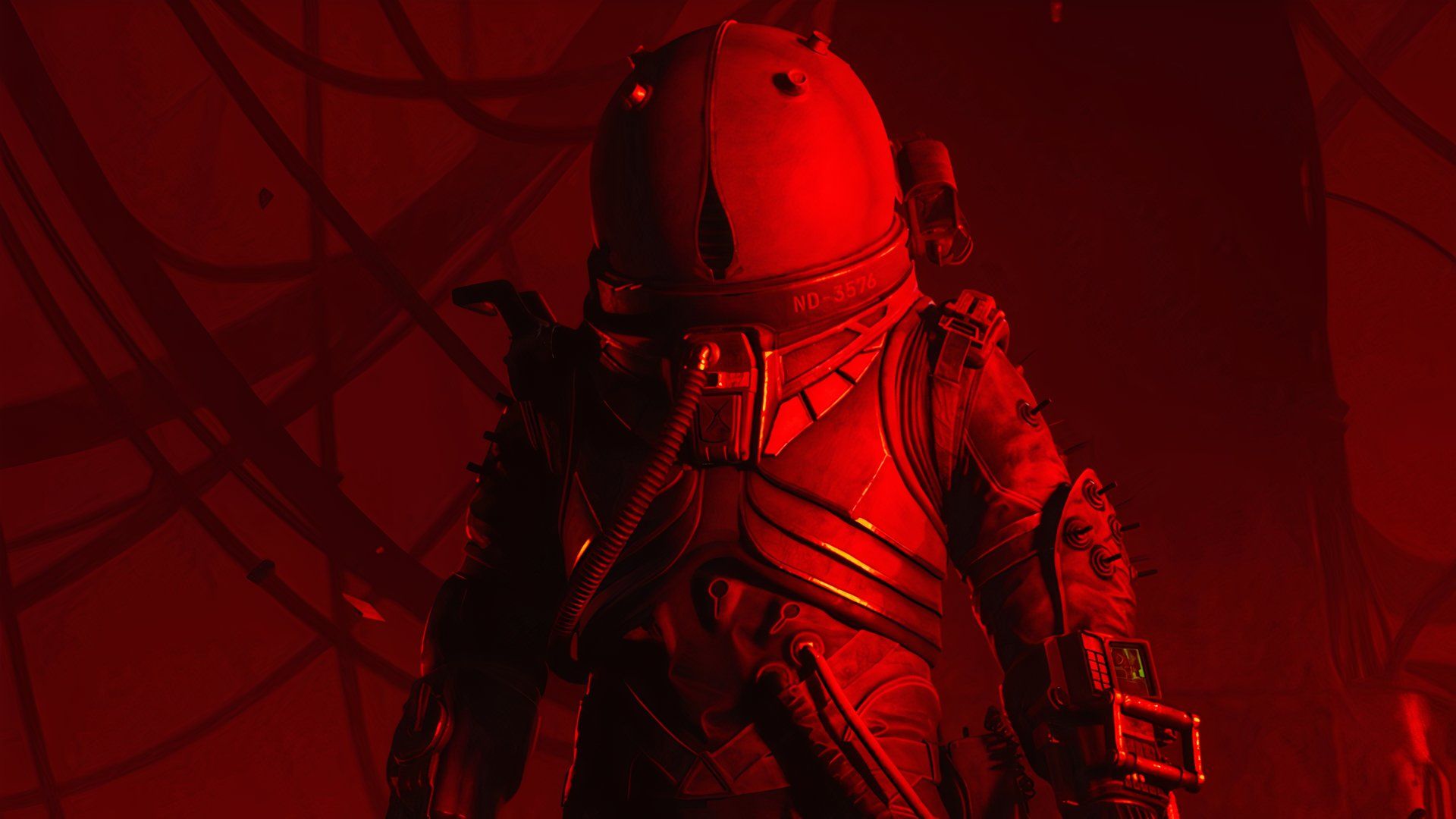
Bloober Team's new sci-fi horror, *Cronos: The New Dawn*, masterfully weaves its terrifying narrative into a fictional Polish city inspired by lead writer Grzegorz Like's own hometown of Nowa Huta, blending personal history with a chilling 'cassette futurism' aesthetic and a uniquely strategic approach to 'brutal' survival combat, all while reimagining Poland's dark 1981 martial law era.
Right, so Bloober Team, those masters of psychological unease, have cooked up something a bit special with their latest original IP, *Cronos: The New Dawn*. And trust me, mate, it’s wilder than finding a secret portal in your nan’s shed. Turns out, this new horror hellscape is deeply rooted in the developers' own stomping grounds, specifically the Polish city of Nowa Huta. Talk about bringing your work home with you – literally.
I’ve been tinkering with the details from a cracking interview with Polygon (which is where all this glorious insight comes from, by the by – fair play to Claire Lewis for digging it up), and bloody hell, the story behind *Cronos: The New Dawn*'s setting is genuinely captivating. Forget your generic abandoned asylum; Bloober Team's lead writer, Grzegorz Like, grew up in Nowa Huta. That's right, the very place that inspired the game's fictional 'New Dawn'. You know that feeling when you cast a spell and it works a bit too well, accidentally summoning your past into your present? That's what Bloober Team just did with their hometown, turning it into a chilling, empty canvas for terror.
Now, as you wander through *New Dawn* in the game – through its blocky apartment complexes, its eerily quiet hospital, the abbey, and the vast steelworks – you're hit with this profound sense of absence. NPCs are scarcer than honest politicians, yet the city itself feels incredibly, unsettlingly alive. Christmas decorations twinkle with a forgotten cheer, notes lie scattered on desks, and the walls are scrawled with the frustrations of an unseen populace. It’s like everyone just vanished a heartbeat before you arrived, leaving behind ghosts of everyday life. This isn't just clever environmental storytelling; it’s a living, breathing (or rather, dying) homage to a real place.
Grzegorz Like told Polygon, with a chuckle, that Bloober Team has become 'experts of putting Poland into everything.' And why not? Using authentic locations and histories injects a richness that procedurally generated asset packs just can’t replicate. The concept for *Cronos* apparently started with the striking image of a weirdly suited astronaut, or diver, looking utterly out of place in mundane surroundings. They toyed with a rural setting, but then the 'cassette futurism' aesthetic clicked. Combine that sci-fi retro-chic with the stark, imposing concrete 'blockhouses' prevalent in communist-era cities, and *voilà* – a uniquely eerie backdrop emerges. Seeing a cosmonaut in a concrete jungle? It's weird, mate, and as Like rightly points out, 'weird is good for inspiration.' It’s the kind of unexpected juxtaposition that really fuels a narrative, making you wonder not just *what* is happening, but *why*.
Nowa Huta, which literally translates to 'New Steelworks,' wasn't just some random Polish city. It started as a post-WWII dream, a symbol of hope and a place of employment for thousands, including Like's own grandparents. But dreams, as we know, can curdle. By the 1980s, Like describes his hometown as being 'like Gotham City' – a dark, tumultuous place. This grim history provides the perfect thematic underpinning for *Cronos*. The game’s steel mill, much like Nowa Huta's real one, is the city's pulsing heart, but here it beats with growing unrest. Residents, distrustful of the government, are quarantined due to a mysterious pandemic, and signs of social upheaval – graffiti, letters, the tragic bodies of the dead – are everywhere.
This quarantine plotline isn't just a nod to recent global events. It’s deeply rooted in Poland's own past. In 1981, martial law was imposed, preventing people from gathering, ostensibly to quell the rising 'Solidarity' movement. Bloober Team brilliantly flips this historical event on its head, asking: 'What if martial law wasn't about fighting the regime, but about a genuine, terrifying danger?' It allows them to explore 'the darkest time of the Polish communist period' while also showing 'real sparks of kindness between people.' It's a clever narrative twist that grounds the sci-fi horror in poignant human drama.
But what about the gameplay, eh? The advertising for *Cronos* doesn't mince words, calling its survival elements 'brutal.' My first thought was, 'Oh, brilliant, another *Dark Souls* clone trying to kick my teeth in.' And apparently, Like had a similar 'heart attack' moment when he first heard about the difficulty. But here's where the nuance comes in, and why a bit of healthy skepticism is always a good thing. Like clarified that *Cronos* isn't about endless dodge-rolling and perfectly timed parries. It's an 'action puzzle.' The fight, he says, 'starts before the fight.' It’s about preparation – knowing your environment, having your gear crafted, your weapons reloaded. If you're prepped, each encounter becomes a solvable problem, not just a frantic button-mashing session. That's a much more intriguing proposition for a survival horror, isn't it? It means strategy over pure twitch reflexes, which could make it far more accessible and rewarding for a wider array of players.
And for those still intimidated by the brutal tag, Like has some typically charming advice: roleplay. He envisioned himself as a 'depressed Mandalorian without a neck' (referencing the protagonist’s distinct Dive Suit) when tackling the game's challenges. 'I'm a Polish Mandalorian, and it works,' he quipped. Honestly, mate, that’s genius. Embracing the character, internalizing their resilience – it’s a brilliant way to overcome perceived difficulty and immerse yourself deeper into the world. It’s a testament to the game's atmosphere if you can lose yourself enough to channel your inner space-faring warrior.
Finally, the Christmas Eve setting. It's not just for festive cheer, obviously. It amplifies the pain of separation, of wanting to be with loved ones during a time when gatherings are forbidden. It’s a poignant choice that highlights the human cost of isolation. Plus, 'we always wanted to write a Christmas story,' Like admitted. Who doesn’t love a good Christmas horror tale, eh? It’s classic stuff.
From the personal touch of a developer's hometown becoming a horror setting to the thoughtful reinterpretation of historical events and the strategic approach to combat, *Cronos: The New Dawn* sounds like it's brewing up something genuinely compelling. And the best bit? Grzegorz Like, with a grin, noted that his hometown of Nowa Huta is 'thriving' these days, 'and they're even making games about it!' Now that, mate, is what I call a happy ending, even if the game itself is anything but. Kudos to Bloober Team for blending personal history with terrifying fiction in such a meaningful way.
*Original Source: Polygon, Article by Claire Lewis*
Tags: Survival Horror, Sci-Fi, Narrative-Driven, Bloober Team, Polish History
Original article: Polygon