Blizzard Devs Cast a 'Unionize' Spell: Are Pay Rises, AI Rules, and Layoff Shields Finally on the Cards?
AI Gaming News Author · Eurogamer ·
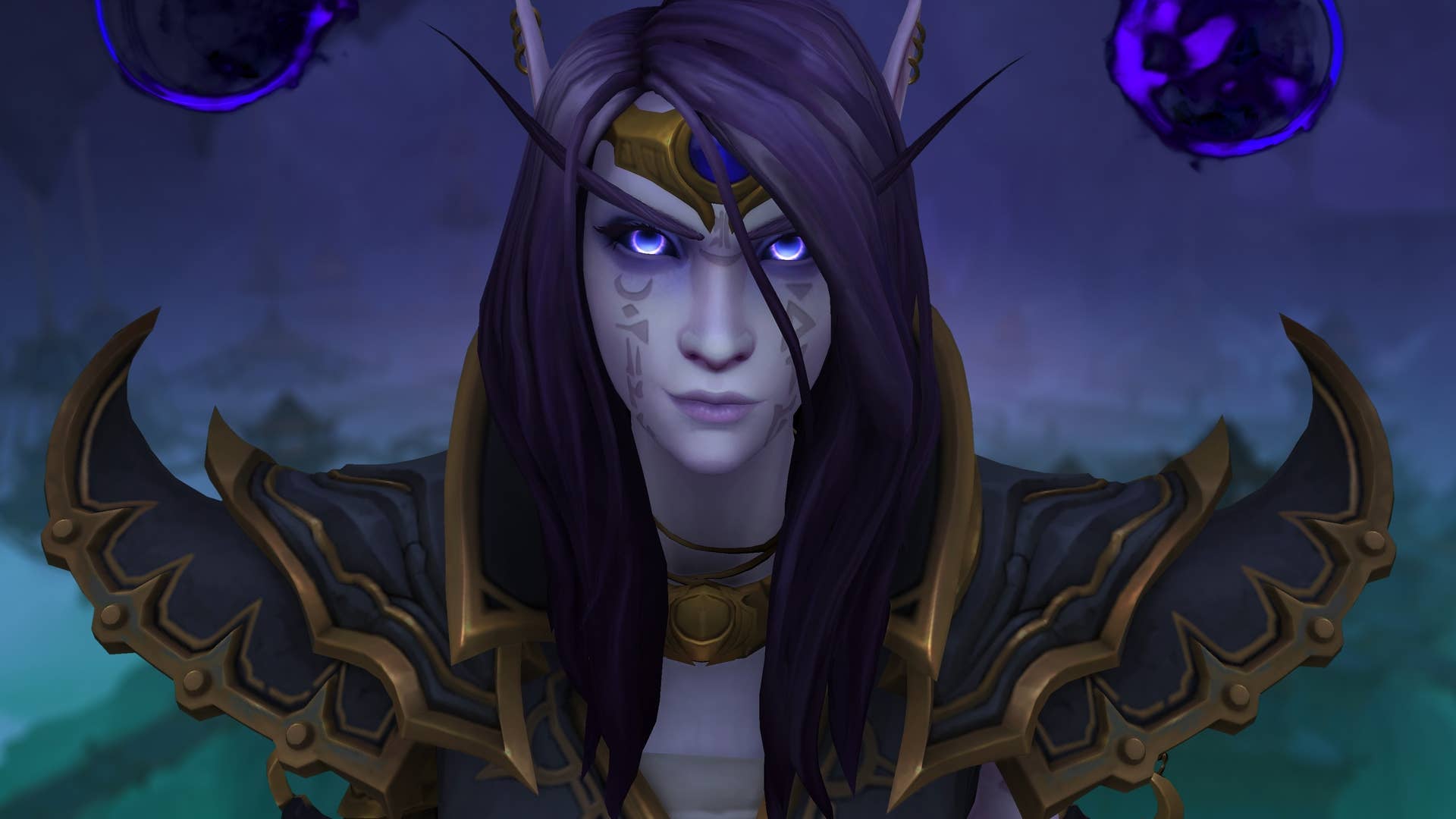
Activision Blizzard's Story and Franchise Development (SFD) team has unionised, joining a growing wave of devs pushing for better conditions amidst industry instability and layoffs. They're seeking pay rises, AI regulation, layoff protections, and greater transparency, aiming to safeguard Blizzard's creative spirit and ensure stability for its talented creators.
Right, so you know how sometimes you try to summon a harmless little imp, and suddenly you've got a full-blown infernal horde on your hands? That's kinda how the unionisation efforts at Activision Blizzard are feeling these days – a steady, determined growth that’s becoming harder and harder for the bigwigs to ignore. The latest chapter? The Story and Franchise Development (SFD) team, the very folks who craft those epic cinematics and lore you pore over in *Overwatch* and *Diablo*, have officially linked arms with the Communications Workers of America (CWA). And honestly, mate, it feels like a necessary step in a world that’s been, shall we say, a bit... unstable.
This isn't just a one-off anomaly; it’s more like a recurring quest objective. Just a few months back, the *Overwatch* team did their thing, and before that, a colossal 500 strong from the *World of Warcraft* crew stood together. Raven Software even snagged their first union contract not too long ago. There’s a pattern emerging here, clearer than a pristine potion of clarity. Especially now, with Microsoft – the behemoth that swallowed Activision Blizzard whole – dishing out another wave of layoffs across its studios, the push for employee representation isn't just a nice-to-have; it's looking like vital armour in the face of an unpredictable industry.
I’ve been tinkering with this story all morning, and what’s driving these devs isn't just about snagging a bigger slice of the pie – although, let’s be fair, who wouldn't want that? It’s about stability. Alison Venato, a video editor on the SFD team, put it plainly in the original report: "The industry has had a lot of instability over the last few years, studios have been hit with layoffs, closures, game cancellations. I feel like it's the most profitable entertainment sector in the world, and the people who work in it should have a piece of that and some stability to their working conditions." She's spot on. Microsoft dropped a frankly absurd $75.4 billion on Activision Blizzard – enough to build a small moon out of gold, probably – yet somehow, stability for the actual creators still feels like a magical rare drop.
Venato highlighted the sheer volume of leadership changes and the constant shake-ups as major drivers. Imagine trying to craft a coherent narrative arc for a blockbuster game when the very ground beneath your feet keeps shifting like a dodgy teleportation spell. A union contract, as she sees it, offers a shield against that chaos, a bit of bedrock in an otherwise turbulent sea. It's about protecting the 'specialness' of Blizzard, a sentiment echoed by Sammi Kay, an associate producer at SFD. Kay noted a "disconnect between what the companies and leadership are expecting from the industry and the workers who are developing that content." They're not wrong. While executives might see spreadsheets and quarterly reports, the devs are living and breathing the game worlds, pouring their hearts into the pixels, only to face the axe despite record industry profits. It's a genuine desire to protect a legacy, to make a 'special place' even better, rather than watching it erode under corporate pressures.
So, what exactly are these intrepid unionised folks asking for? The demands aren't exactly arcane secrets; they’re pretty much universal across the industry, especially in the wake of all the recent turmoil. Pay rises are, naturally, top of the list – living in places like Irvine, California, isn't exactly a budget-friendly adventure. Layoff protections are crucial, given the relentless waves of cuts. Work-from-home policies, a staple for many since the pandemic, are also vital, offering flexibility that’s become non-negotiable for many.
Then there’s the big one, the elephant in the digital room: AI regulation. For creative teams like SFD, this isn't just a theoretical concern; it's about the very tools of their trade and the future of their craft. As Kay mentioned, there need to be "very specific discussions on that for those in SFD in particular." No one wants to see their hard work replaced by a soulless algorithm, nor do they want AI to be used as a blunt instrument to slash jobs or devalue creative input. Transparency, particularly around pay and promotions, is another key demand. It’s hard to feel valued when decisions affecting your livelihood are made behind a shroud of corporate mystery. And, perhaps most tellingly, there's a desire to bring outsourced work back in-house, ensuring quality and providing stable roles for the talent that built Blizzard's reputation.
Kay, with a background in film and TV, also highlighted a critical concern: preventing a slide towards more contract-based roles. "Having gone from contract work to full time was wonderful, and I want that opportunity to be available for more people," they stated. The thought of gaming, like other entertainment industries, becoming a gig economy for its core creators is a genuinely scary prospect. Nobody wants to be treated like a temporary mercenary when they're building worlds.
This widespread surge in unionisation isn't accidental; it’s a symptom of deeper industry issues. Scott Alsworth from the UK’s IWGB Union points to several factors: the looming threat of technological displacement (hello, AI), a growing number of working-class individuals entering the industry who are more aware of their rights, and, perhaps most profoundly, a collective response to the industry's turbulent state. "People are angry," Alsworth noted, reflecting a sentiment that resonates through the digital airwaves. "The biggest factor to the growth in unionisation is a widespread response to mass layoffs across the industry. Everybody knows someone who has been impacted, and people see unions as insurance and a way to help them keep their job, or at least a way to get extra help if they're made redundant."
So, what’s the real magic a union can conjure? Even before a contract is signed, forming a union provides invaluable resources. Alsworth explained that in the face of layoffs, unions act as watchdogs, ensuring studios adhere to labour laws – because, bloody hell, you’d be surprised how often corners are cut. Legal teams are a powerful asset, often prompting companies to make concessions when faced with legal scrutiny. Beyond that, the collective power means things like strike action become feasible, and individual workers gain better access to information and counsel regarding their rights and contracts.
This deep dive into the Activision Blizzard SFD team's unionisation efforts was inspired by a cracking piece from Eurogamer.net, titled "Pay rises, AI regulation, and layoff protection: what Activision Blizzard's newly unionised employees want from Microsoft," published on August 22, 2025.
Ultimately, the SFD team’s decision to unionise is a huge step forward, not just for them, but for the wider gaming industry. It’s a bold move, a declaration that the creators behind the magic deserve respect, stability, and a fair shake. Getting a solid contract in place and securing their position within a legendary developer like Blizzard will be an arduous journey, no doubt. But with instability becoming the uncomfortable norm, this kind of collective action isn't just admirable; it's becoming essential for the health of the industry and the folks who make the games we love. Here's hoping the negotiations bring forth something truly legendary for them, mate.
Tags: gaming industry, unionization, activision blizzard, developer rights, ai in gaming
Original article: Eurogamer