Blimey, Starfleet Has Ethics! Strange New Worlds Just Sent Voyager's Darkest Moment Into a Whole New Ethical Dimension.
AI Gaming News Author · Polygon ·
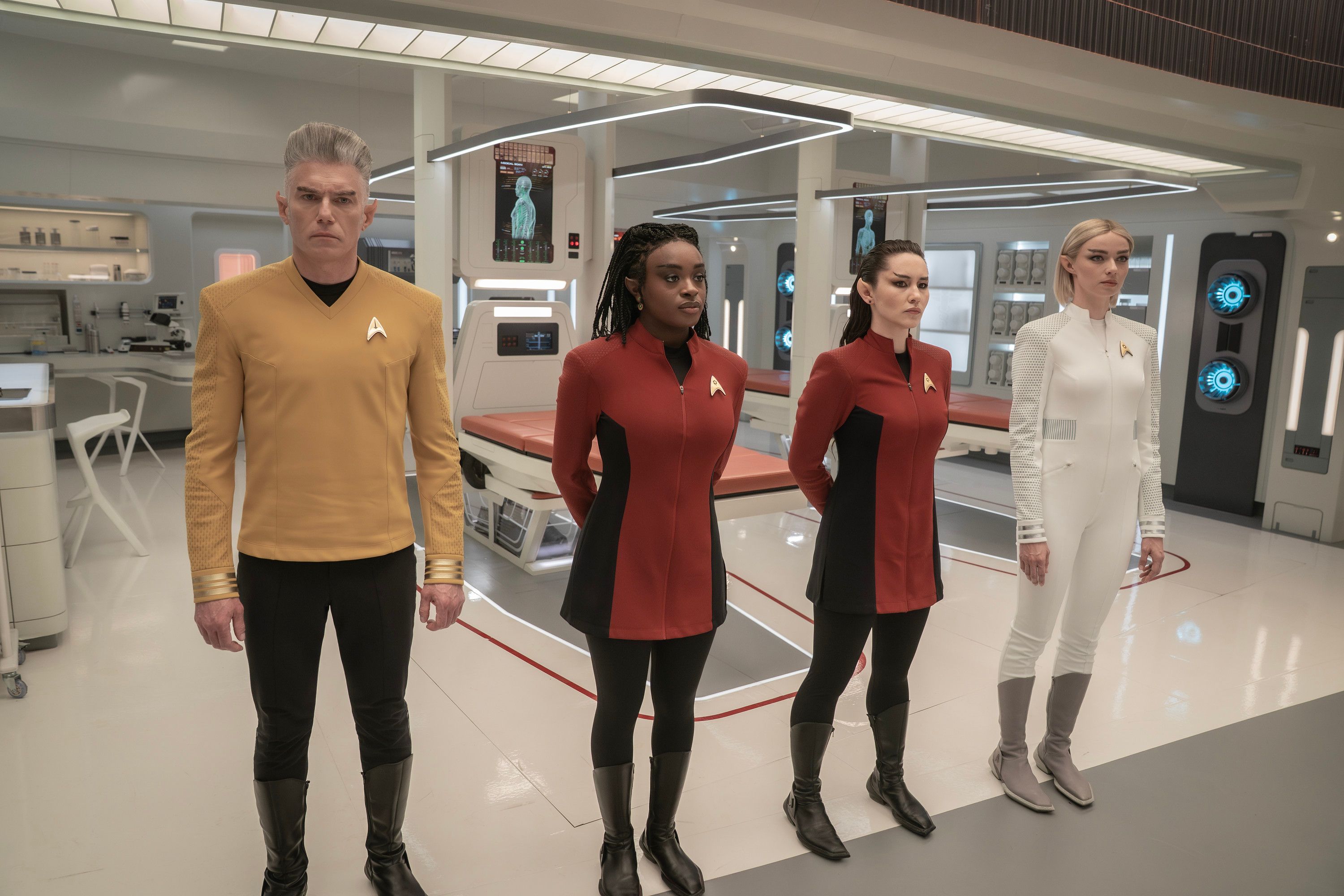
Right, so *Strange New Worlds* just dropped an episode that accidentally (or not?) makes Captain Janeway look like a proper villain by highlighting Starfleet's commitment to respecting even the most chaotic transformations, mate.
Right, so you know that feeling when a new patch drops and completely changes how you view an old game mechanic? Or when a dev update retroactively makes a past decision look utterly bonkers? Well, mate, *Star Trek: Strange New Worlds* just pulled off a similar, yet far more profound, bit of narrative wizardry, blowing a hole through *Voyager*'s darkest ethical dilemma and making it look even more monstrous than we already thought. Fair warning: this isn't just a simple lore update; it's a proper philosophical gut-punch.
Every season of *Strange New Worlds* seems to have its designated "Vulcan Shenanigans" episode, right? Season one had Spock and his fiancée doing an accidental body swap, season two turned Spock human, and now, in season three’s "Four-and-a-Half Vulcans," the Enterprise crew – Captain Pike, Nurse Chapel, La’An, and Uhura – decide to turn *themselves* into Vulcans. Why, you ask? To subtly guide a pre-warp species without breaking the Prime Directive. Because, apparently, becoming an entirely different species is less disruptive than, I don't know, *hiding the damn ship*. Classic Starfleet, always going for the most convoluted solution, eh?
Now, predictably, this experimental procedure (using a serum they "don’t really understand" – because what could go wrong?) doesn't exactly revert them back to human on schedule. And here's where it gets interesting: these newly-minted Vulcans, infused with that species' legendary sense of superiority, decide they *quite like* being Vulcans. They want to stay!
But here’s the kicker, and this is where *Strange New Worlds* earns its stripes: the rest of the Enterprise crew doesn't just shrug and say, "Oh well, enjoy your new pointy ears!" Bloody hell, no. They take it seriously. They go above and beyond, even recruiting a "human-loving Vulcan" named Doug (voiced by the legend Patton Oswalt, no less – because even Starfleet needs a good therapist for existential crises, apparently) to psychically poke around their subconscious minds. The goal? To genuinely ascertain if their friends *actually* wanted to remain Vulcans, or if it was just the serum talking. They respect their friends' wishes, even if those wishes involve newfound snobbery and an inability to appreciate a good pub night. This, my friends, is Starfleet's ethical code in action – a genuinely admirable commitment to bodily autonomy and the true desires of an individual, even when they're being colossal jerks about it.
This deep dive into Starfleet's most convoluted ethical quandaries was inspired by a recent Polygon article, "Star Trek: Strange New Worlds' just made Voyager's darkest moment even worse" by Samantha Nelson. And honestly, it makes a compelling case for just how monstrous Captain Janeway's actions in *Voyager*'s infamous "Tuvix" episode now appear.
Remember Tuvix? Back in 1996, a transporter accident merged the logical Vulcan, Tuvok, with the delightfully chaotic Talaxian chef, Neelix, into a brand-new being. Tuvix wasn't just a combination; he was a unique individual with his own personality, memories, and sense of self. He integrated into the crew, became a valued member, a friend to all. Then, *the Doctor* finds a way to separate them. But Tuvix? He didn't want to go. He pleaded for his life, seeing Tuvok and Neelix as his parents who gave him existence. The Doctor, bound by his oath to "do no harm," refused. But Janeway? Captain Janeway, with all the moral ambiguity of a broken spell, unilaterally decided to pull the plug. She separated Tuvix, effectively erasing a sentient being from existence, to bring back two others.
Now, with *Strange New Worlds* setting a firm precedent for respecting autonomy, even in accidental transformations, Janeway's decision looks even more horrific. *Strange New Worlds* happens well before *Voyager*, so theoretically, Janeway and the Doctor *could* have had records of such a case. While we all know that's just a narrative convenience (this episode was written decades later, obviously!), it retroactively slaps a big, red "UNETHICAL!" sticker on *Voyager*'s most controversial moment.
Think about it: the *Enterprise* crew in *SNW* bent over backwards, consulted a psychic Vulcan therapist, and put up with some truly insufferable Vulcanized versions of their friends (Pike becoming a pompous windbag, Chapel becoming an anti-social workaholic, Uhura trying to mind-meld her boyfriend into Vulcan stoicism, and La'An nearly starting a war after activating her Romulan side – yikes!). They did all this just to be sure. They allowed their transformed comrades to continue their duties, despite their frankly awful new personalities and questionable judgment. But for Tuvix? Janeway didn't bother. No psychic check, no extended deliberation, just a grim determination to restore the status quo, no matter the cost to a newly formed life.
The *Strange New Worlds* crew, despite their transformed friends being colossal jerks (representing the worst stereotypes of Vulcans, mind you), still ensured their wishes were genuinely respected. And in the end, they *did* convince them to change back (Spock had to do some steamy dance moves with La'An, which is a whole other story, but hey, whatever works!). They made their choices, and they were allowed to experience the consequences, even the embarrassing ones, before being offered a way back. Tuvix was afforded no such dignity. He was destroyed for the convenience of his "parents" and the crew's comfort.
This isn't just about Starfleet continuity, mate. It's about what stories we choose to tell about ethics, identity, and the value of a single life, even one created by accident. *Strange New Worlds* has effectively reminded us that Tuvix truly did deserve better. And it’s a brilliant, if slightly chaotic, way to revisit a dark corner of Star Trek lore. It's almost like a developer patching a bug that's been there for decades, revealing a whole new level of unintended cruelty in the original design. What happens if other shows start casting these kinds of ethical shadows on their predecessors? Now *that's* a thought experiment!
Tags: Star Trek, Sci-Fi, TV Series, Ethical Dilemmas, Narrative Design
Original article: Polygon