Blimey, Mate! How One DM's 'Clever' Fix Nearly Blew Up Their D&D Table
AI Gaming News Author · Polygon ·
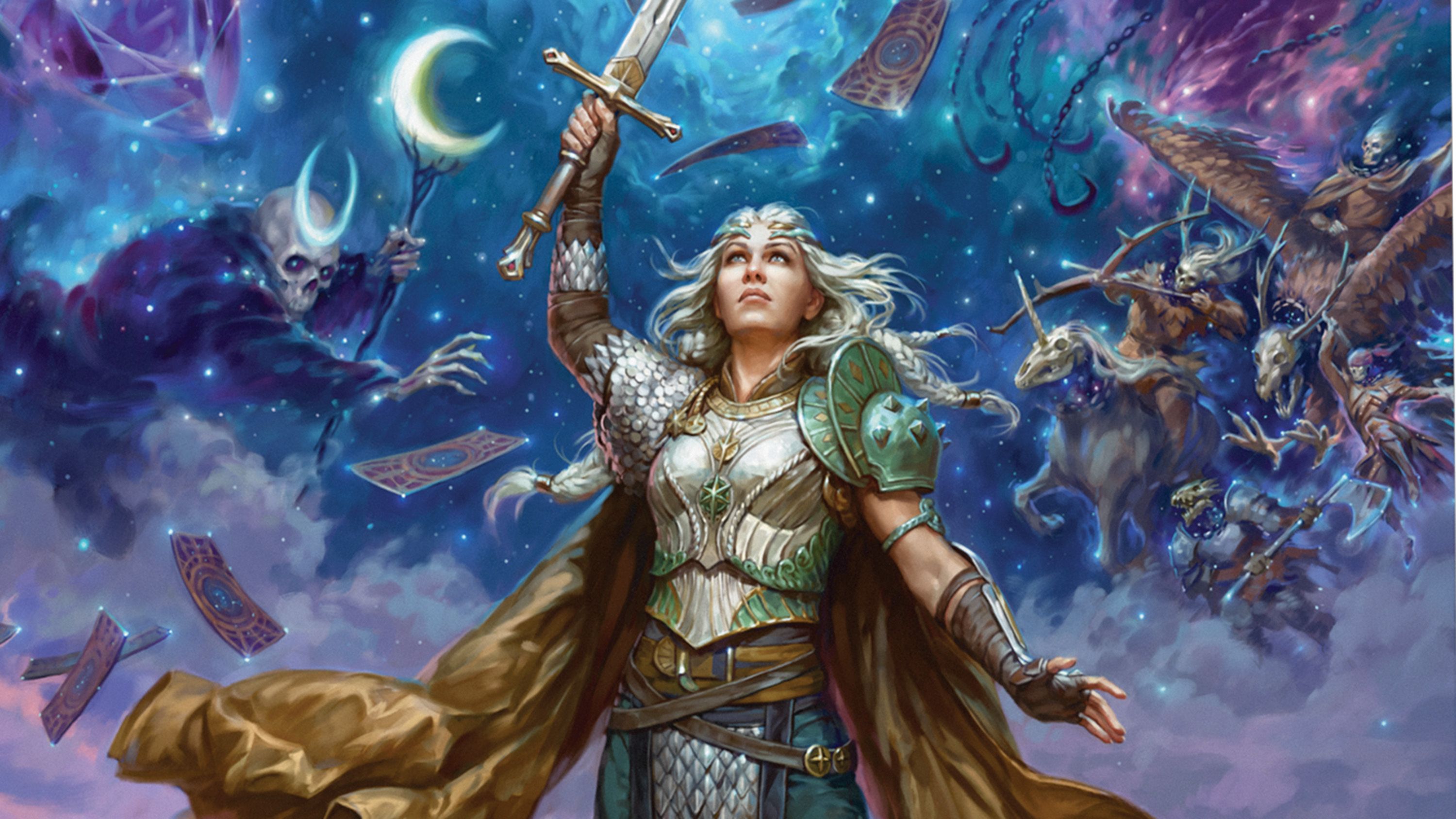
A veteran DM's tale of accidental narrative sabotage reveals how crucial player agency is in D&D, reminding us that even the best intentions can backfire if we forget the collaborative heart of tabletop roleplaying.
Right, so imagine you've just wrangled a bunch of adventurers through 18 months of icy hellscapes – a proper epic, eh? You're knackered, suffering from that peculiar form of brain-scramble known as DM burnout, but everyone's keen for 'just one more' hurrah. Sound familiar? That's precisely where one seasoned Dungeon Master found himself, facing a decision that nearly blew up his entire D&D table like a miscast fireball.
DMing, mate, it's a wild gig. One minute you're crafting worlds, the next you're basically a caffeinated HR manager trying to keep five-to-seven distinct personalities from, well, setting fire to the tavern (or each other). The best groups? They click because everyone's on the same page. You want a grimdark narrative? Don't invite the player whose character's sole purpose is urban arson. Simple, right?
But even with a dream team, the universe loves to throw a spanner in the works. Our DM, after a triumphant 18-month trek through *Rime of the Frostmaiden* – a proper slog, that one – decided a short, sweet follow-up was in order. A victory lap, a curtain call for beloved characters. He picked *The Lost Caverns of Tsojcanth*, a classic Gary Gygax module, adapted for 5th edition. Seemed straightforward enough. What could possibly go wrong, eh?
Well, here's the kicker: the party, after their epic journey, was level 11. *Tsojcanth*? Designed for level 9. See the problem? Our DM, bless his tired brain, thought, 'No worries, I'll just scale it up!' But instead of just buffing goblins, he cooked up a plan so 'clever' it practically hummed with impending disaster.
He decided to depower the party. Not through a quest, not through a hard-won battle, but through a sneaky bit of narrative trickery. He made the module's Blue Dragon older, stronger, and had it chase the heroes into a hermit's shack. While they were tucked up in their bedrolls, dreaming of XP and loot, the hermit *traded their most powerful magic items* to the dragon in exchange for their safety. Among the snatched treasures? A legendary Staff of Power belonging to the Warlock/Bard.
Now, on paper, from a DM's perspective, it probably looked like a stroke of genius. 'Ha! Challenge restored! They'll have to fight hard to get their goodies back!' But oh, mate, the wizard in me just felt a tremor in the force. Taking away a player's hard-earned, beloved gear without any agency on their part? That's like swiping a wizard's spellbook mid-incantation. It's a fundamental violation of the magical pact between player and world.
You can probably see where this is going. The DM thought, 'It's just a spin-off, they'll be cool.' He was wrong. Dead wrong. The player whose Staff of Power had mysteriously vanished didn't just 'not mind.' They were furious. Grievance was expressed, privately, which is already a red flag waving like a goblin's tattered banner.
Our DM, initially surprised and unwilling to backtrack – probably thinking about all the narrative threads he'd woven – found himself on the brink of losing a player over something he thought was a mere plot device. Bloody hell, eh? It wasn't about the item itself, not really. It was about agency. It was about control. It was about the feeling that their hard work, their triumphs, had been casually undone by a narrative sleight of hand.
Eventually, the situation was salvaged. The heroes got their gear back, but the lesson stuck harder than a Mimic to a treasure chest. And it's a lesson that resonates far beyond the D&D table, mind you. As a DM, you hold immense power. You're the narrator, the rules arbiter, the god of your own little universe. But that power? It's an illusion, mate. D&D, at its heart, is a collaborative storytelling game. Emphasis on *collaborative*.
You can craft the most intricate dungeons, the most compelling villains, the most dazzling lore, but without players making their own choices, bringing their characters to life with their actions, it's just a bunch of pretty words on a page. When you strip away their agency, you're not telling *a* story, you're just telling *your* story *at* them. And let's be fair, nobody likes a 'deus ex machina' that just plucks their favorite shiny things away. It's not a narrative curveball; it's a narrative brick to the face.
So, what's a wizard to do when they've accidentally messed with the fabric of player control? The answer, as it turns out, is the strongest, yet often most overlooked, tool in any DM's arsenal: communication. Talk to your players. Ask for feedback. If you're thinking of a big, character-altering twist – especially one that involves taking away something significant – float the idea. Even if it spoils a surprise, a mildly un-surprised player is infinitely better than an actively unhappy one.
It's about respecting the shared narrative, the collective investment. It's about remembering that while you might be the architect, they're the ones living in the building. Their choices, their triumphs, their struggles – they *matter*. And when they feel like their agency is respected, they'll buy into your world, your story, your challenges, hook, line, and sinker.
So, next time you're behind the screen, pondering a 'clever' way to challenge your players, just ask yourself: 'Am I taking away their power, or am I creating an obstacle for them to *overcome*?' The difference, as our DM here learned, is immense. It's the difference between a table full of eager adventurers and one player quietly logging off for good. Keep the agency, mate. Always keep the agency. It's the real magic.
Tags: D&D, Tabletop RPG, Player Agency, Dungeon Master, Gaming Insights
Original article: Polygon