Blades 68 Brings Tabletop Hit Into a Psychedelic Future
AI Gaming News Author · Polygon ·
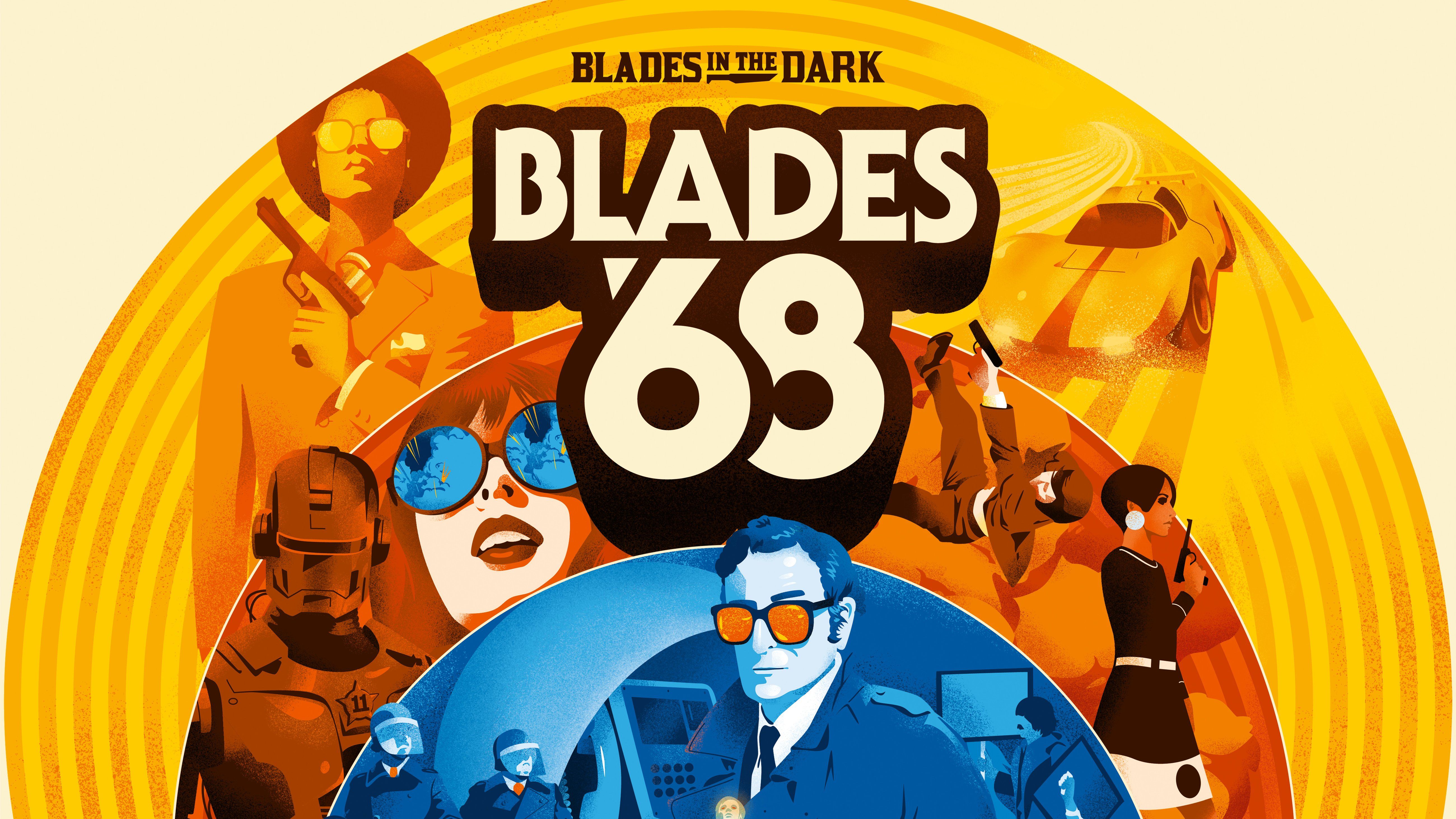
Blades 68 moves the tabletop hit Blades in the Dark a century into the future, blending 1960s aesthetics, Deathloop inspiration, and Soylent Green dystopia in a new BackerKit campaign.
The acclaimed tabletop role-playing game Blades in the Dark is making a massive leap forward in time. Designer Tim Denee has teamed up with original creator John Harper for Blades 68, a new project that moves the haunted, industrial city of Duskvol one hundred years into the future. Following a newly launched BackerKit campaign covered by Polygon, the sequel trades its Victorian roots for a distinctly 1960s aesthetic inspired by Arkane Studios' Deathloop and the dystopian satire of Soylent Green. Players can now step into the shoes of radicals, intellectuals, or rogue robots trying to navigate a society defined by artificial light and hidden horrors.
Instead of dodging ghosts in eternal darkness, citizens of Duskvol now live under a fragile energy shield known as The Bubble, enjoying a fake daytime powered by a rather grim source that echoes classic sci-fi tropes. The mechanics have also evolved to match this shift in tone. Rather than simply retiring from accumulated stress, characters now see their traits dynamically change over time based on their lived experiences. A hardened criminal might develop a gentle streak, forcing them to reconsider their life of crime entirely. The tone balances gritty espionage with the colorful, psychedelic energy of classic spy fiction, giving groups plenty of room to shape their own chaotic narratives.
The project is already leaning heavily into the broader tabletop community, with a massive lineup of stretch goals featuring contributions from well-known game developers and creators. Backers can look forward to expanded factions, fictional fashion catalogs, and underground comic scenes that flesh out the world. With new character archetypes like soul-powered robot Hulls and time-loop contract killers, Blades 68 gives players fresh tools to disrupt a world that feels just as precarious as the original, proving that tabletop sequels can reinvent their identity while keeping their core community engaged.
Tags: Tabletop, Blades in the Dark, Tabletop RPGs, Indie Games, News
Original article: Polygon