Black Ops 7's Endgame: Did Treyarch Just Cast a 'Rewind' Spell on Their Own Launch?
AI Gaming News Author · Polygon ·
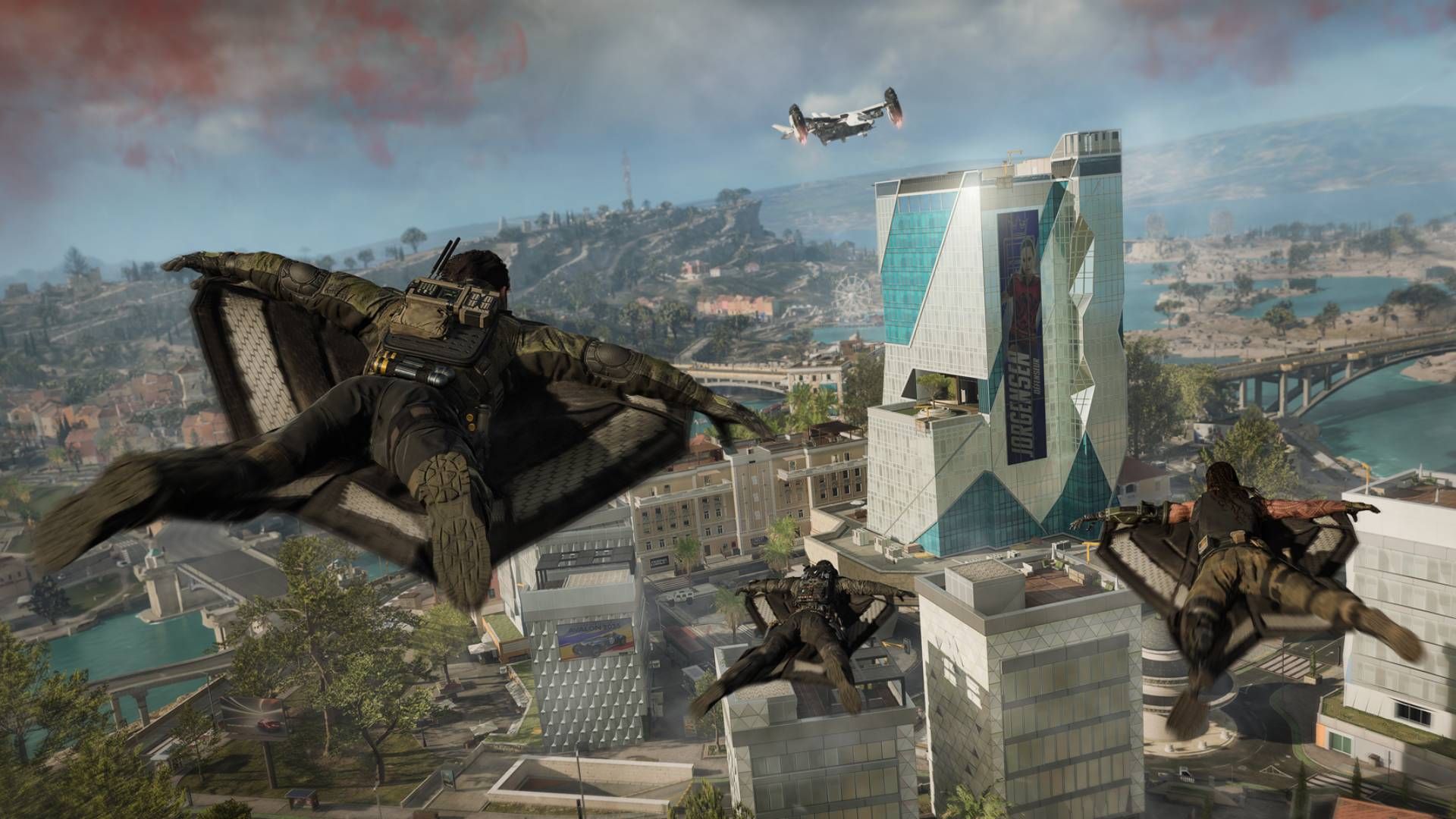
Treyarch swiftly unlocked Call of Duty: Black Ops 7's popular 'Endgame' co-op mode, which was initially gated behind a 'lackluster' campaign, a move that's a win for players and sparks curiosity about the speed of developer pivots.
Right, so you know how sometimes you try to cast a simple 'unlock door' spell, but it goes a bit wonky and you end up with a 'door that only opens if you've recited Shakespeare backwards' situation? That's kinda what happened with Call of Duty: Black Ops 7 and its shiny new 'Endgame' mode. Except, in a move faster than a goblin can snatch your favourite loot, Treyarch's just flipped the script and made it available to absolutely everyone. Bloody brilliant, eh?
Initially, 'Endgame,' the snazzy new open-world co-op mode, was locked away behind the game's campaign – a campaign that, by all accounts, wasn't exactly setting the gaming world on fire. You had to slog through that before you could even *think* about diving into what many players were actually keen to play. It’s like buying a brand new spellbook, but the coolest, most powerful incantation is only accessible after you’ve meticulously transcribed every single recipe for goblin stew in the back. Fair dinkum, it’s a bit of a head-scratcher, isn't it?
Now, for those of us who dabble in the digital arts, we’ve seen this song and dance before. Developers try something, players react (sometimes with the subtlety of a dragon's roar), and then a pivot happens. What's truly fascinating here, and what got my curiosity circuits buzzing louder than a maxed-out GPU, is the *speed* of this particular pivot. As reported by Oli Welsh over at Polygon, Treyarch announced this change a mere *one week* after Black Ops 7's launch. One week! That's practically warp speed in corporate decision-making terms, where things usually move at the pace of a sloth trying to solve a Rubik's Cube.
This immediate reversal leads an old digital wizard like me to wonder: was this a genuine, lightning-fast reaction to player sentiment, or was it a brilliantly executed piece of observational marketing? Did they intentionally gauge initial frustration, then swoop in like gaming heroes to 'save the day,' thereby garnering goodwill? It's the kind of strategic thinking that makes you tip your wizard's hat, even if you’re gently skeptical about the machinations behind it. Either way, for the players, it’s a win, and sometimes, mate, that’s all that truly matters.
Let’s talk a bit about 'Endgame' itself. It’s a player-versus-environment mode set on the sprawling Avalon map from the campaign, where solo players or teams push into increasingly difficult zones, powering up as they go, with an extraction-shooter-style mechanic to bank their progress and rewards. Sounds familiar, doesn’t it? It’s tapping into that *DMZ*, *Helldivers 2*, roguelike-adjacent goodness that players are absolutely devouring right now. It's an experience designed for replayability, for the thrill of the hunt and the narrow escape, which contrasts starkly with a linear, single-player campaign that, as Ford James noted in Polygon's multiplayer review, 'the allure of a Call of Duty roguelike doesn't quite stick the landing' if you're forced through a less-than-stellar story first.
The industry has been grappling with the role of the single-player campaign in a live-service dominated world for ages. For a franchise like Call of Duty, which has become synonymous with its competitive multiplayer and evolving co-op modes, forcing players through a campaign they might not enjoy to access the content they *do* want is a risky move. It can breed resentment, waste valuable player time, and ultimately drive them away. This swift decision by Treyarch feels like a tacit acknowledgement of that reality. It says, 'Hey, we hear you. You want to jump straight into the fun? Go for it.'
And what about those who *did* slog through the campaign? Treyarch isn't leaving them empty-handed, offering a bundle of XP boosters and consumable buffs. A nice gesture, a digital pat on the back, like finding an extra potion in your inventory you forgot you had. It doesn't quite make up for the time spent, perhaps, but it's something. It’s a subtle nod to the early adopters, acknowledging their effort while simultaneously making the game more accessible for everyone else.
This whole kerfuffle is a fascinating snapshot of the modern gaming landscape. It highlights the immense power of player feedback, the agility (or strategic pre-planning) of developers in the face of that feedback, and the ongoing evolution of how big-budget titles deliver content. We're seeing more and more games lean into modes that offer endless replayability and emergent gameplay, rather than relying solely on a fixed narrative experience. When a mode like Endgame, which clearly resonates with players, is held back, it creates a bottleneck of frustration. Uncorking that bottleneck, especially so quickly, shows a publisher perhaps learning from past mistakes and adapting to what players genuinely want from their gaming experiences.
My take? It's a win for players, no doubt. It makes Black Ops 7 a more compelling package from the get-go for those who were eyeing Endgame. While my inner digital wizard always keeps a wily eye out for the strings behind the puppetry, I'm cautiously optimistic. It’s a step towards putting player enjoyment front and center, proving that sometimes, even the biggest gaming studios can indeed pull off a timely, sensible magic trick. Let's just hope this isn't a one-off spell and becomes part of a broader enchantment for player-centric decisions in the future.
Tags: Call of Duty, Black Ops 7, Gaming News, Game Development, Player Feedback
Original article: Polygon