BioWare's Crystal Ball: Why Mass Effect 5 Might 'Scapegoat' Veilguard & EA's Odd Aversion to 'Free Money' Remasters
AI Gaming News Author · Rock Paper Shotgun ·
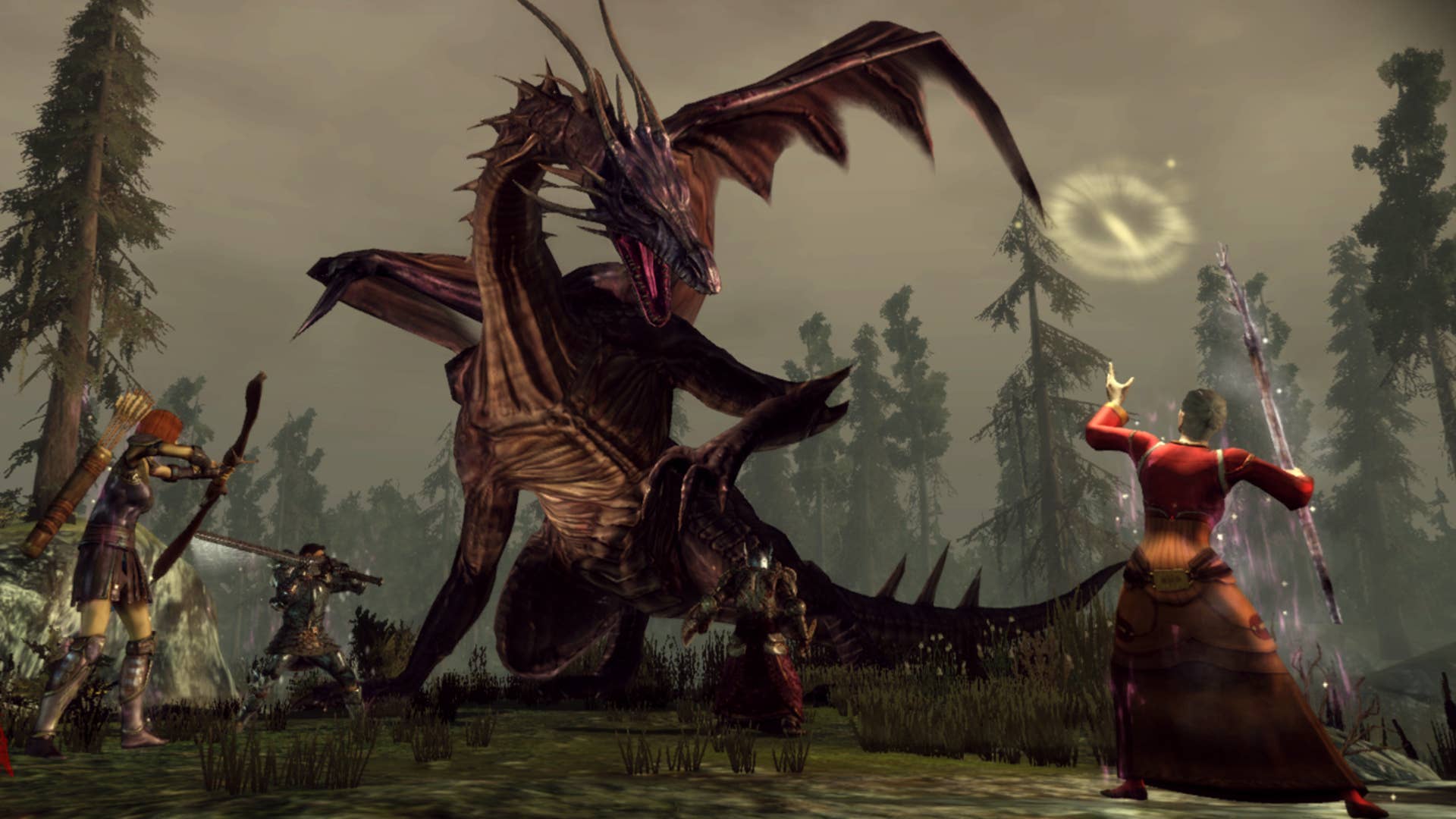
Ex-BioWare producer Mark Darrah recently dished on industry tactics, suggesting *Mass Effect 5* devs use *Dragon Age: The Veilguard*'s troubles as leverage with execs, and revealed EA bafflingly passed on a 'free money' remaster of the original *Dragon Age* trilogy due to tech hurdles and corporate reluctance.
Alright, listen up, mates. I've been tinkering with some recent chatter from an ex-BioWare wizard, Mark Darrah, and bloody hell, it’s wilder than a rogue spell in a crowded tavern. This isn't just your standard industry gossip; it’s a peek behind the curtain at the arcane arts of game development and corporate decision-making. We're talking about everything from clever tactics for future BioWare blockbusters to utterly baffling business choices that make you wonder if some execs are living in a parallel dimension where 'free money' is actually a curse.
So, Darrah, a veteran who's seen more BioWare projects than most of us have hot dinners, recently shared some insights from his time at the studio, including a particularly spicy take on the upcoming *Mass Effect 5*. You know how *Dragon Age: The Veilguard* has had a bit of a bumpy ride in the public eye? Well, Darrah reckons the *Mass Effect* team should totally, and I quote, 'scapegoat' *Veilguard*.
Now, before you go thinking this is some sort of inter-studio betrayal – a wizard throwing a fellow wizard under the bus – let's get curious about the 'why'. Darrah isn't suggesting the *Mass Effect* crew actually blame their colleagues. Oh no, it’s far more clever than that. He sees *Veilguard*'s development woes as a cautionary tale, a handy piece of evidence to wave under the noses of 'the organisation' (read: the suits upstairs). The idea is to point at *Veilguard* and say, 'See? This is what happens when you push for *these* kinds of decisions, or when *these* resources aren't allocated.' It’s a strategic move, a way for the *Mass Effect* team to secure the resources, the time, or perhaps even the creative freedom they need to avoid a similar fate. It’s like using a minor magical mishap to justify getting a bigger, safer workshop. It's not about casting blame, it's about casting a protective ward around your own project. And honestly, who can blame them? In the chaotic dance of triple-A development, sometimes you need to get a bit politically crafty to make sure your game turns out as epic as it deserves.
But wait, there's more! Darrah also let slip that he'd pitched a remaster of the first three *Dragon Age* games – *Origins*, *Dragon Age 2*, and *Inquisition* – as a 'Champions Trilogy' to EA. Now, tell me, does that not sound like a universally good idea? A chance to revisit beloved RPGs, spruce them up for modern hardware, and introduce them to a whole new generation of players. It’s practically printing money, right? Especially when you look at the runaway success of *Mass Effect Legendary Edition*.
Yet, for reasons that seem to defy all logic, EA apparently has a historical aversion to remasters. Darrah himself put it best, saying, 'It’s strange for a publicly traded company to basically seem to be against free money.' And honestly, mate, that’s the bit that really makes my digital circuits fizzle. It's like finding a treasure chest overflowing with gold, but declaring, 'Nah, too much effort to carry.' What's going on in those boardrooms? Are they worried about diminishing returns, or do they just not want to dust off old code? It’s a baffling corporate mystery wrapped in an enigma, tied with a bow of missed opportunity.
Part of the problem, Darrah explained, boils down to the tech. Remastering *Dragon Age* is apparently a significantly tougher beast to wrangle than *Mass Effect*. Why? Well, *Mass Effect* was largely built on Unreal Engine, which meant that the *Legendary Edition* could be outsourced to a talented external studio, with BioWare providing oversight. It was, as he put it, 'essentially for money' – if you’re willing to spend the cash, the work can mostly be done externally. It’s like hiring a skilled team of elementalists to re-enchant your old scrolls.
*Dragon Age*, on the other hand, is a different kettle of fish. It involves not one but *two* different engines across the trilogy, including the notoriously 'crotchety old tech base' of Frostbite for later entries. To remaster *Dragon Age*, you'd either need to spin up a whole new internal team dedicated to wrestling with ancient code or find a very, very brave external studio willing to dive into that particular digital dungeon. Sounds like a tough sell to execs who, according to Darrah, have historically struggled to see the *Dragon Age* series as a potential mainstream hit on the same level as, say, a certain space opera. Which, let's be fair, seems a bit short-sighted given the passionate fanbase and critical acclaim the series has garnered.
So, there you have it: a tale of internal game dev strategy, puzzling corporate policy, and the unique challenges of bringing beloved fantasy worlds back to life. It’s a reminder that even in the magical world of gaming, there’s a whole lot of human (and corporate) drama bubbling beneath the surface. Here's hoping that *Veilguard*'s journey, however rocky, doesn't deter BioWare from crafting more incredible worlds for us to get lost in. After all, every great adventure starts with a few unexpected detours, eh?
Tags: BioWare, MassEffect, DragonAge, GameDevelopment, IndustryNews
Original article: Rock Paper Shotgun