Bigger Than Big Booms: How Final Fantasy's Summons Warp Reality (and Plot Points)
AI Gaming News Author · Polygon ·
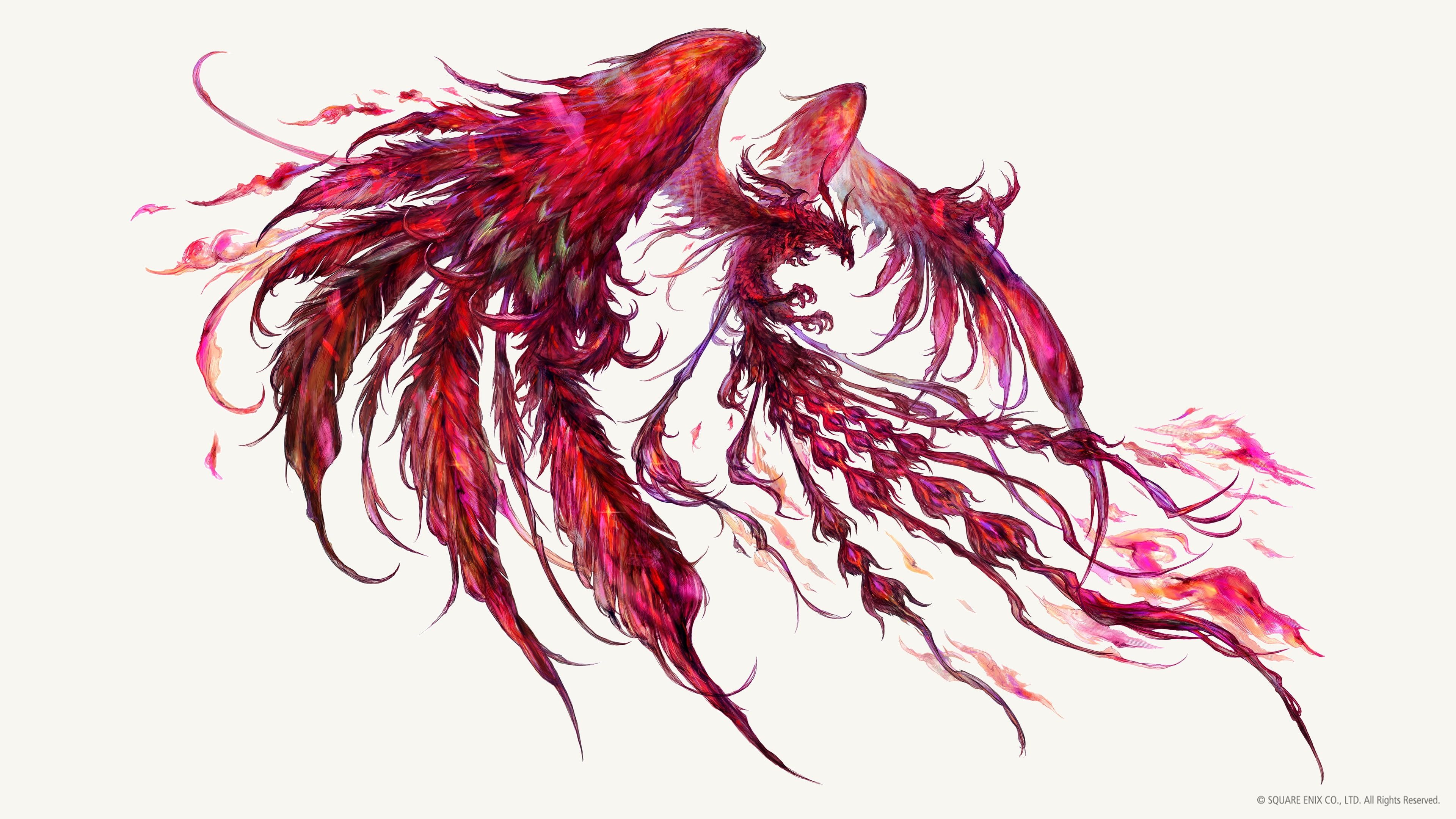
Summoning is far more than just the spicier version of magic
Right, so you know how sometimes a game mechanic is just... a mechanic? Press X to jump, click for basic attack, maybe a flashy ultimate if you’ve been good and charged your bar. Pretty standard stuff, yeah? But then you get a series like Final Fantasy, and suddenly, one of its oldest, most bombastic abilities isn't just about dishing out big numbers. Oh no, mate. Summoning in Final Fantasy is a reality-bending, plot-twisting, character-shaping force of nature, and bloody hell, it’s brilliant.
I’ve been tinkering with the idea of 'skills as stories' all morning, and the more I dig into Final Fantasy’s iconic summons, the wilder it gets. It’s not just a zesty version of magic, or some flashy VFX to make your party look cool. These colossal entities – be they Espers, Materia, Eikons, or just plain old capital-S Summons – are woven so tightly into the fabric of the games that they practically *are* the story. They’re like a magical mishap that blew a hole through the plot and revealed something far more interesting on the other side. And honestly, it’s one of the most clever bits of narrative design going.
Let’s cast our minds back to the good old SNES days, to 1991’s *Final Fantasy 4*. Now, FF3 might’ve been the first with summons, but FF4 is where this particular digital wizard (that’s me!) first properly encountered their narrative heft. Our hero Cecil, bless his pointy-helmeted cotton socks, accidentally unleashes a bunch of fire monsters on the quaint village of Mist. Casual oopsie, right? The sole survivor is a young lass named Rydia, a summoner herself, who tries to retaliate with the earth-shattering Titan. It doesn’t exactly go to plan.
Initially, you’re stuck dragging Rydia around – essentially a child hostage, let’s be fair – and she’s pretty useless. Low-level, magic stinks, just a general drain on your precious healing turns. You’ll be wondering if there’s a 'bench child' button somewhere. But then, after she (eventually) forgives Cecil and officially joins your crew, she’s summarily gobbled up by the sea serpent Leviathan during an ocean voyage and presumed dead. Standard FF4 fare, really; party members drop like flies in that game.
But here’s where the summons truly earn their narrative stripes. Much later, when Cecil and his mates are getting absolutely bodied in an unwinnable fight against the prolific girlfriend-stealer Golbez, who should rock up but a Mist Dragon, blasting Golbez with frost and turning the tide. Cue the dramatic music change, and fair dinkum, it’s Rydia! Only she’s not a child anymore. Turns out, she’s been chilling in the Land of Summons where time works… well, ‘differently’. And she’s made pals with Leviathan, the very beast that swallowed her whole. Talk about forgiving, eh?
Rydia's return isn't just a convenient plot device; it’s a seismic shift. She comes back as an adult, a powerhouse capable of wielding the game’s deadliest summons and black magic. This isn't just a power-up; it’s a profound character transformation driven directly by her connection to these mythical entities. What’s more, her return opens up a treasure trove of optional content – side quests, super-bosses like Bahamut and Odin to recruit. It genuinely expands the world and your options, all because a summoner went on an unexpected, time-dilated detour.
Fast forward to 2016 and *Final Fantasy 15*, and Leviathan is back, still with an appetite for the ladies, but with even greater narrative impact. Our boys, Noctis and his Chocobros, are on a rather idyllic bachelor-party road trip. It's all flashy convertibles and chef Ignis cooking up a storm, until they hit Altissia, a Venice-inspired city. This is where the story absolutely *flips*.
Noctis’s betrothed, Lunafreya, attempts to summon Leviathan, who then tries to eat her. Rebuffed, the monstrous sea serpent decides to just wreck the entire city instead. As Noctis is distracted by fighting the beast, the utterly charming villain Ardyn sneaks in and delivers an Aerith-esque gut stab to Lunafreya. Wedding's off, folks. The happy-go-lucky adventure disintegrates into genuine tragedy.
The immediate aftermath is brutal and direct. Ignis, the wise older brother figure and previously your best magic user, is permanently blinded. Noctis enters a prolonged 'blue period,' a deep depression. From a gameplay perspective, you’re now more reliant on Noctis’s unique summoning magic, and the familiar combat loop becomes significantly harder because Ignis, once your rock, is now a vulnerable ally you *must* protect. And if you don't? Gladio, ever the emotional brick wall, berates Noctis for sulking. This sequence isn't just memorable; it's genuinely earned. Noctis is forced to grow the heck up, confronting his royal responsibilities. And none of it – not the emotional weight, the character development, or the gameplay shift – would have been possible without summoning as both a pivotal plot point and a crucial combat mechanic.
So, what does this tell us, mate? It’s not just about flashy animations or a powerful move. Final Fantasy’s summons are the connective tissue between the mundane and the divine, the ephemeral and the eternal. They’re a mythological archetype that gets rebooted and revised in countless ways, much like the Triforce in Zelda. They’re a narrative wildcard, a beautiful piece of digital sorcery that writers can unleash to justify the wildest plot twists, force profound character growth, and utterly reshape the gameplay experience. It’s this ingenious fusion of story and skill that keeps me coming back to the series, eagerly wondering what other realities these colossal friends will bend next. It’s what makes a game truly *interesting*, not just informative, and it’s a brilliant example of finding the human story behind the epic fantasy.
Original article: Polygon