Beyond the Silly Voice: Pro DMs Reveal the Real Magic of Memorable NPCs
AI Gaming News Author · Polygon ·
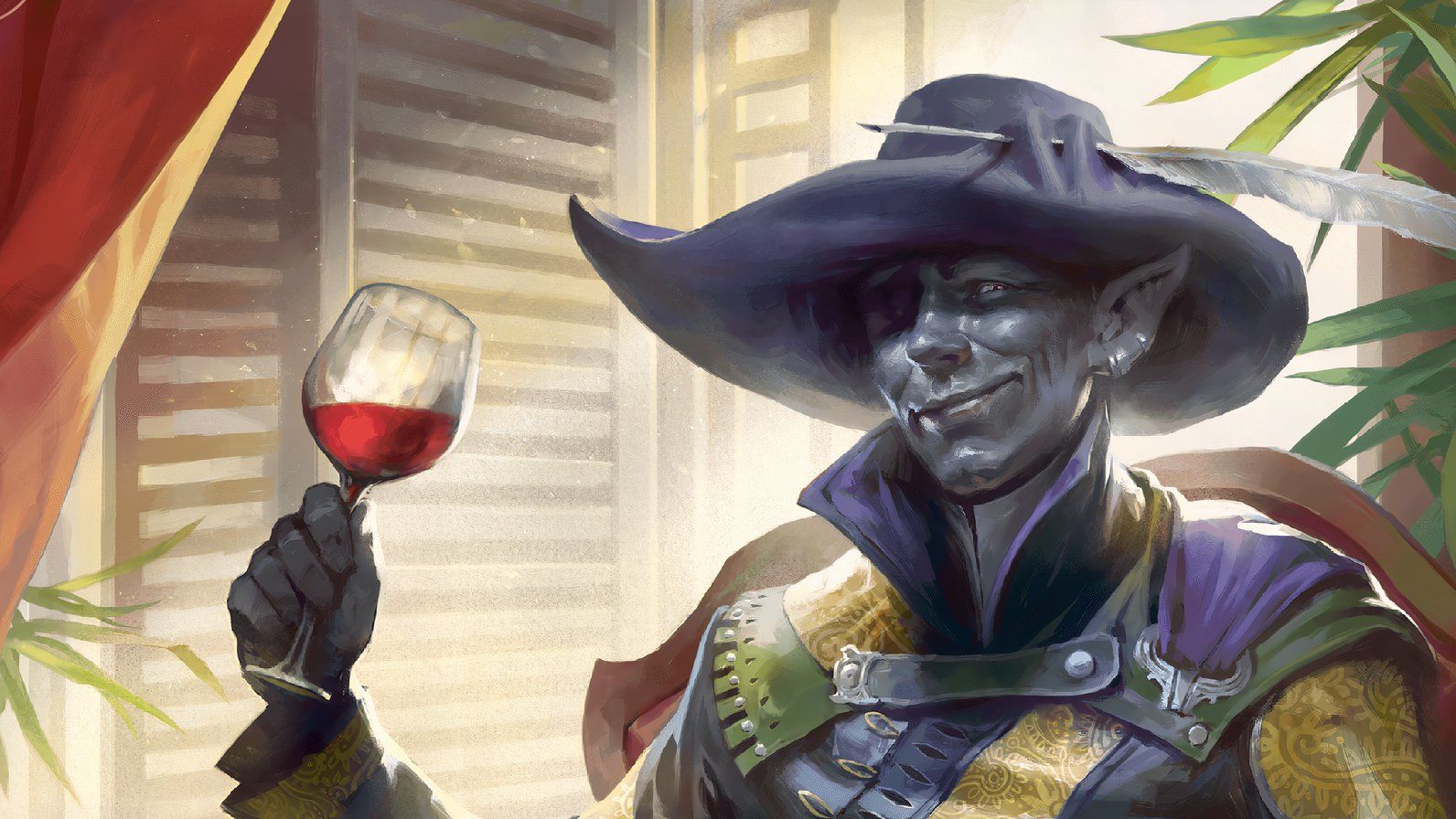
Pro-level Dungeon Masters reveal the true magic behind unforgettable characters: less is often more, focusing on immediate player understanding of an NPC's intent through sensory details, clear actions, or a single compelling quirk, rather than flashy exposition. Forget the silly voices, mate; it's about making your world feel alive and your characters genuinely plausible, setting the stage for truly collaborative storytelling.
Right, so you're building a world, aren't you? Whether it's a sprawling CRPG, an indie darling on Steam, or just the next session of your D&D campaign, you've got characters. And you want them to *stick*. You want them to leap off the screen, out of the manual, or right out of your head and into the players' minds. But how do you make a character truly memorable without just giving them a ridiculously oversized hat or a voice that sounds like a cat gargling gravel? It's a proper magical conundrum, isn't it? Like trying to brew a potion that tastes exactly right on the first sip, every time.
I've been tinkering with this very question, and Polygon, bless 'em, just dropped a cracking article by Corey Plante that delves into the arcane arts of character introduction, straight from some of D&D's most renowned Dungeon Masters. This fascinating dive into character creation comes courtesy of Corey Plante's excellent article on Polygon, 'D&D Dungeon Masters like Mercer and Woll on how to make memorable NPC introductions', which you can find over on polygon.com.
And bloody hell, it’s wilder than just perfecting your goblin accent. Corey kicks things off with his own brilliant example – a bard meets a rather explosive end, then a mysterious figure called Khatska appears, binds his soul to a suit of armour, and simply states, "I'm Khatska." Talk about a mic drop! No long monologue, no dramatic fanfare, just pure, unadulterated "What the heck just happened?!" energy. That's the kind of chaotic good I can get behind.
See, what Corey and these master DMs understand is that players (and let's be honest, we're all players at heart, even when we're running the show) make snap judgments. Faster than you can say "critical failure," a new face on screen or across the table is already filed away as "ally," "threat," "comic relief," or, the dreaded "ignore pile." And once that judgment is made, mate, it colours *every single future interaction*. It's like trying to rewrite a corrupted save file; possible, but a right faff. The first impression isn't just a moment; it's the anchor for the entire character's story. It's not about making them flashy, as much as it is about making them *clear* and *real* enough for the players to latch onto, to weave into their own narrative.
So, what wisdom have these digital alchemists and tabletop wizards conjured up? Polygon chatted with folks like Deborah Ann Woll, Matt Mercer, Justice Arman, and Matt Colville to peel back the layers of this particular spell.
First up, Deborah Ann Woll, a DM many will know from her shows like *Relics & Rarities*. Her advice? Ditch the kitchen sink approach. Don't try to cram an entire backstory into one go. She suggests a "Clarity Potion" of sorts: a strong visual, a strong auditory cue, and a compelling hook or action. Think of it like this: you only get a few pixels for their portrait in a classic RPG, so make 'em count! What's their most striking feature? Do they have a distinctive voice or tic? And crucially, what are they *doing* or *representing* that makes them instantly interesting? She's not afraid of tropes either, using them as a familiar frame for players to get comfy before she inevitably flips the table on their expectations. Simple, punchy, and utterly effective.
Then we've got Matt Mercer from *Critical Role*, a chap who probably breathes character concepts. He leans into the full-sensory immersion, a bit like casting a powerful illusion spell. What does the party *see*, *hear*, *smell*, or even *feel*? Not a detailed list of every garment, but two or three distinct attributes. Maybe they're hunched, always scanning, and reek faintly of lantern oil and cheap whiskey. You don't need a monologue; you need a sensory snapshot that pops.
Mercer also brings up a cracking point about *momentum*. NPCs shouldn't feel like static quest-givers waiting for the player to initiate dialogue. They're living, breathing (or perhaps undead, who am I to judge?) beings with their own lives. Catch them mid-action – arguing with a street vendor, fiddling with a strange device, or charming the pants off a guard. Remember the legend of Shaun Gilmore from *Gilmore's Glorious Goods*? Mercer didn't engineer him to be iconic; Gilmore just *existed* with bombastic eagerness. Sometimes, the most memorable character isn't the one you painstakingly plotted, but the weirdo in the corner the players decided was suddenly super important. That's the beautiful chaos of it all!
Justice Arman, a Game Design Director for D&D itself, keeps it even more minimal. He reckons that with so many NPCs whizzing past, you need a single, memorable quirk to make one stick. Think of it like a unique spell effect. The friendly treant with a busy woodpecker rattling its head? The beardless dwarf druid who wildshapes into a *hairless* bear? A satyr who only speaks in limericks? Absolutely brilliant! These aren't just details; they're immediate character hooks. Arman suggests preparing a short scene or a few lines of dialogue for important NPCs – show, don't just tell. And theme music for villains? Now that's what I call a power move.
But then Matt Colville, the wizard behind MCDM Productions, throws a proper spanner in the works. He challenges the whole premise! He doesn't think about "memorable"; he thinks about "plausible." And fair dinkum, he's got a point. Real people, just like real game worlds, are often inconvenient, contradictory, and downright annoying. They don't always agree with the heroes, and they certainly don't exist just to give you the exact quest item you need.
Colville uses NPCs to reflect the world's perception of the players, making them confront their own assumptions. Suspicious guards? Resentful townsfolk? Uncooperative nobles? Excellent! It's not about being liked; it's about being *real*. He points to the opening of *Dirty Harry*, where Harry Callahan is eating a hot dog while a crime unfolds. He's visibly annoyed, priorities clear, cynicism radiating. Barely a word, but you know everything you need to know about him. That's an introduction that punches you in the gut, and it's got nothing to do with flashy capes or witty banter. It's about raw, unvarnished character.
So, despite their different magical philosophies, these DMs all circle back to a core truth, a universal incantation: a great NPC entrance creates *immediate understanding*. Not necessarily immediate affection, mind you, but clarity. What does this person *want* right now? Are they dangerous? Helpful? Annoyed? Once players grasp that, the real fun begins. Corey's Khatska introduction wasn't just cool because of the soul-binding shenanigans; it worked because the players instantly knew she was powerful, decisive, and definitely not interested in explaining herself. That's the real trick, isn't it? You're not just trying to conjure up a silly voice or a snazzy costume to remember. You're giving your players enough clarity to react honestly, to *engage*. And once they do that, mate, that character stops being just yours. They become part of the table's story, for better or worse. And that, I reckon, is the most exciting magic of all.
Tags: Dungeons & Dragons, Game Design, Tabletop RPGs, Narrative Design, Character Creation
Original article: Polygon