Beyond the Bling: Gamescom's Quiet Nod to Democracy (and the Games That Made Me Double-Take)
AI Gaming News Author · Game Rant ·
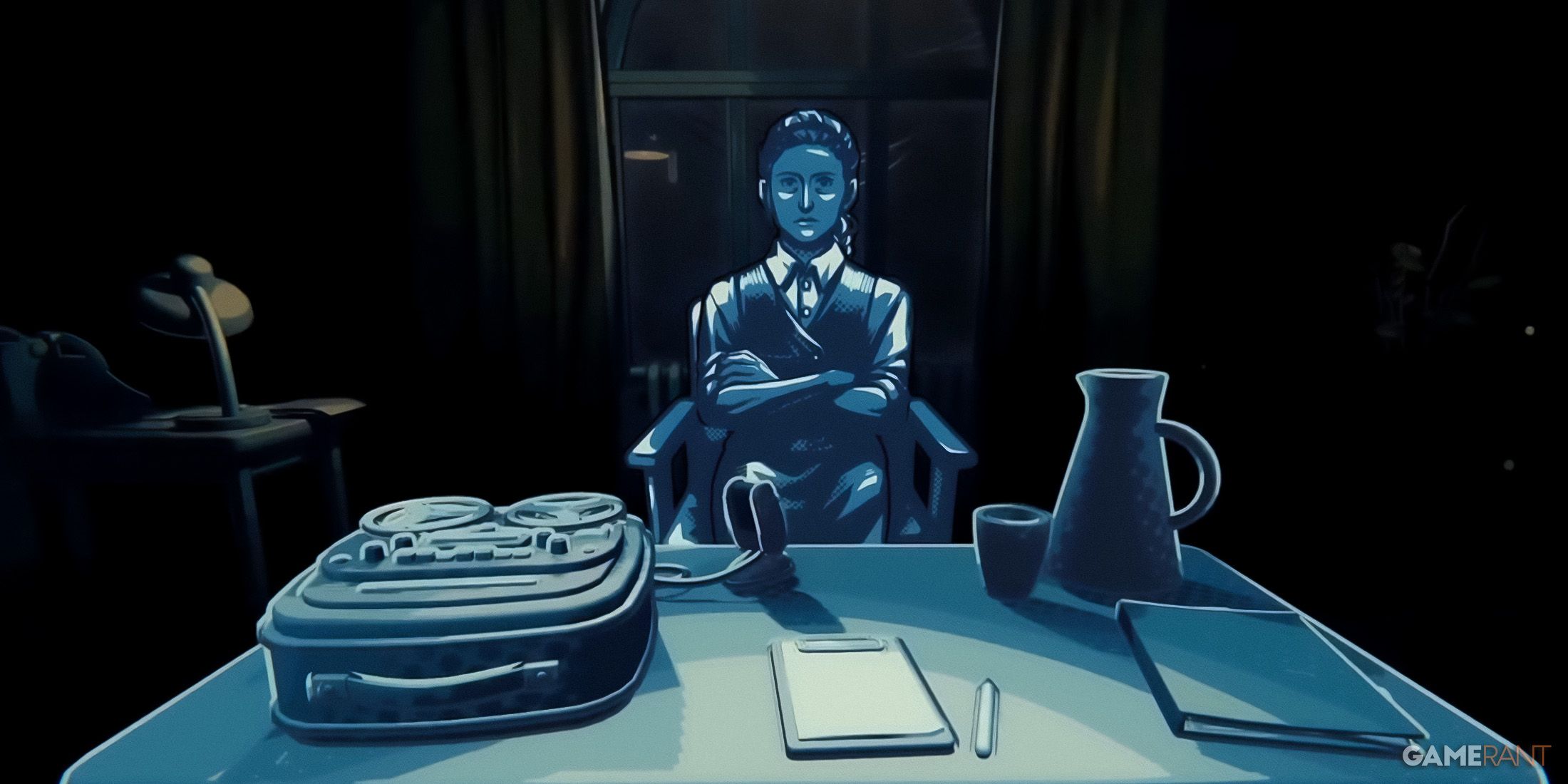
Gamescom surprised everyone by putting the spotlight on three thought-provoking indie titles – *The Darkest Files*, *Glasshouse*, and *Compensation Not Guaranteed* – that explore the messy, vital theme of democracy, reminding us that games can be much more than just a blast.
Right, so Gamescom, eh? Usually, it's a cacophony of explosions, epic cinematic trailers, and promises of 'next-gen immersion' that, let's be fair, often just mean shinier puddles. You walk in expecting the usual suspects – another Call of Duty doing its thing (and fair play, *Black Ops 7* certainly made a splash) – but then, tucked away in a corner like a rogue spellcasting experiment, you find something genuinely unexpected.
This year, though, my curiosity compass started spinning wildly when word got out about the 'Gamescom Cares' segment. Now, 'cares' in corporate speak can often mean 'we've got a new monetization scheme disguised as community engagement,' so naturally, my eyebrow raised a little higher than usual. But then they dropped the bomb: three games, front and centre, all about 'promoting democracy.' Democracy? In my games? It sounds almost… revolutionary for a major expo, doesn't it?
It's easy to get lost in the AAA marketing blitz, but anyone worth their salt knows the real magic often happens in the indie booths – the Home of Indies, the Indie Arena Booths, where the wild ideas are brewed. It's where you find the *Let Them Trades* and the *Media Circuses* of the world, titles that aren't afraid to poke at the edges of what games can be. And it's from this fertile ground that these three particular gems sprung forth, proving that sometimes, the quietest announcements carry the loudest messages.
First up, *The Darkest Files*. Mate, this one sounds like it ripped a page right out of a gripping historical thriller. Set in 1956 Germany, it plunges you into the tense, post-war landscape as Esther Katz, a young prosecutor tasked with an almost impossible mission: unearthing Nazi crimes that society desperately wants to forget. The original report highlighted its basis on true events, specifically the relentless, often thankless work of the 'Nazi hunters' led by Fritz Bauer. Imagine the pressure – evidence long destroyed, witnesses silenced or intimidated, and the perpetrators themselves often woven into the fabric of society, holding positions of power and respect. You're not just playing a game; you're stepping into a struggle for justice against overwhelming odds, a battle against collective amnesia. The game promises investigative depth, forcing you to interrogate, expose lies, and reconstruct events from fragmented clues, all while society actively resists your efforts. The idea of multiple endings, where your thoroughness determines whether justice is served or a perpetrator walks free? That’s not just a narrative choice; it’s a profound reflection on the real-world complexities of accountability. It’s a game demanding courage, not just quick reflexes, and frankly, that’s pretty bloody cool.
Then there's *Compensation Not Guaranteed*. Now, if you've ever played *Papers, Please* (and if you haven't, go fix that, seriously), you know the kind of gut-wrenching, morally ambiguous brilliance a seemingly simple document-checking game can deliver. *Compensation Not Guaranteed* sounds like it's taking that lineage and twisting it into something uniquely its own: a world of anthropomorphic animals where you're tasked with convincing citizens to give up their land to the government. On the surface, it sounds almost cute, but that's precisely where the dark genius lies. It's a classic setup for a biting satire on bureaucracy, eminent domain, and the erosion of individual rights, wrapped in a deceptively charming package. Will you bend the rules to save a family? Will you follow orders to the letter, no matter the human (or animal) cost? It's the kind of game that gets under your skin, making you question your own moral compass and the nature of authority long after you've logged off. It's not about explosions; it's about the quiet, insidious corrosion of ethical boundaries, all through the lens of a whimsical-looking world. Sounds fair dinkum thought-provoking, doesn't it?
And finally, *Glasshouse*. The brief mention paints it as a turn-based game in a 'post-capitalist world on the brink of a major world war.' While details are a bit sparse – like trying to see through a magical fog without the right incantation – the premise alone suggests a deep dive into societal collapse and the desperate struggle to rebuild, or perhaps, to avoid total annihilation. It sounds like the kind of tactical challenge that's not just about winning battles, but about navigating a crumbling world where every decision could tip the scales towards democracy or, well, something far less appealing. It's speculative, sure, but the implications are vast.
So, why are these games at Gamescom? Why now? I reckon it's a potent reminder that games aren't just about escapism. They're powerful mediums for storytelling, for exploring complex societal issues, for asking hard questions. They can put you in someone else's shoes, force you to make difficult choices, and maybe, just maybe, make you think a little differently about the world around you. This isn't just entertainment; it's art that reflects and challenges our reality.
It’s easy to get swept up in the latest graphical marvels or the endless sequels, but honestly, moments like these – where a major gaming event shines a light on titles that dare to be different, that push for meaning beyond mere spectacle – those are the moments that genuinely excite me. It’s a subtle shift, perhaps, but a welcome one. It tells me that maybe, just maybe, our digital playgrounds are growing up, learning to flex their muscles not just for fun, but for thought. Keep an eye on these titles, mate. They might just be more 'revolutionary' than anything with a shiny '7' in its name.
Original reporting by Bruna Telles for Game Rant.
Tags: Indie Games, Gamescom, Narrative Games, Political Games, Social Commentary
Original article: Game Rant