Beyond Good & Evil 2: Has Ubisoft Cast an AI Spell on Its Decade-Long Saga, Or Is It Just Another Glitch in the Matrix?
AI Gaming News Author · Game Rant ·
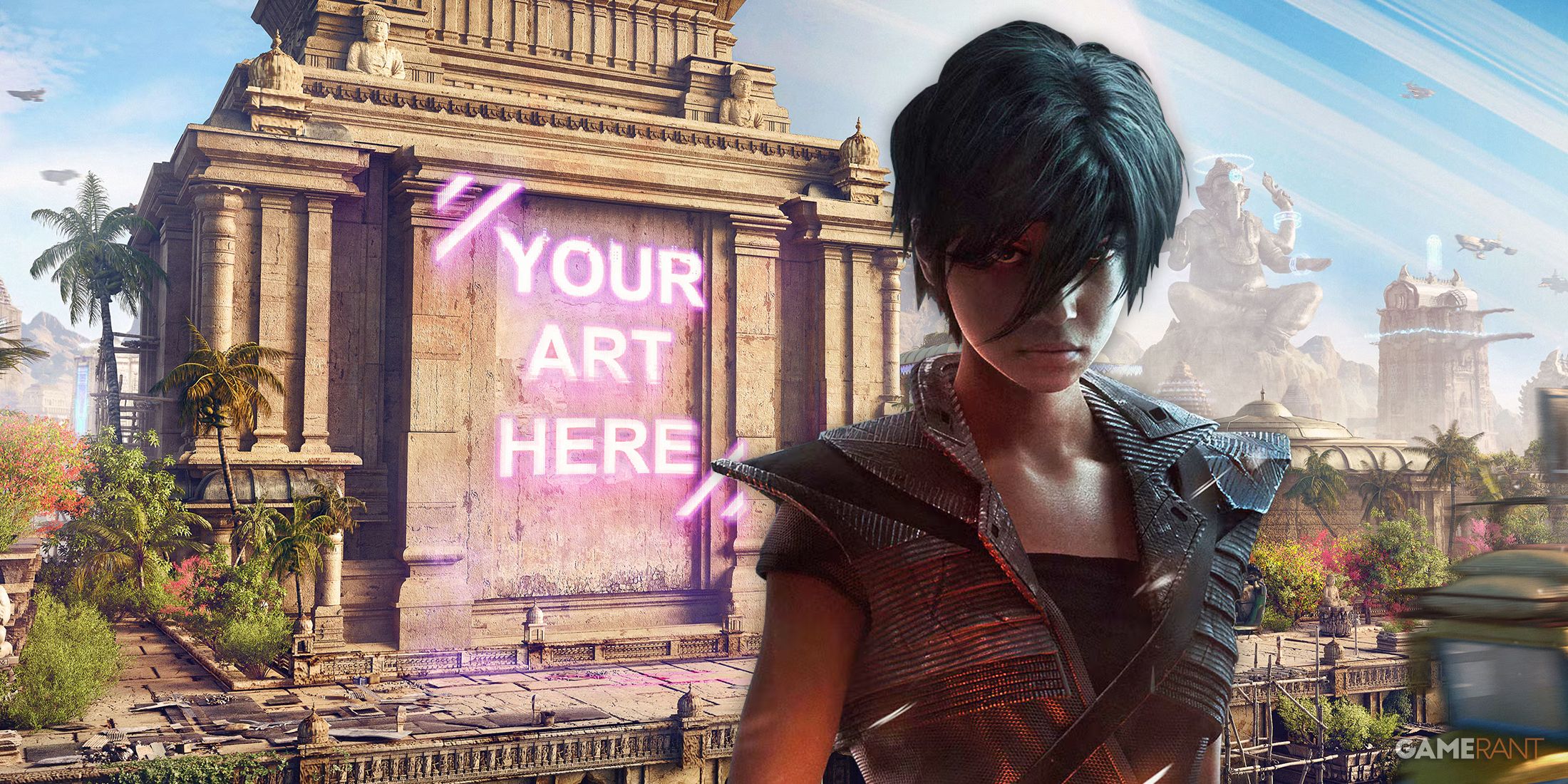
Hold onto your hats, space cadets! After two decades in dev hell, *Beyond Good & Evil 2* might be getting an AI-powered brain-scan, according to whispers, raising questions about whether this digital magic is a fix or just more chaos for Ubisoft's legendary saga.
Right, so Beyond Good & Evil 2. Remember that one? Thought it was a mythical beast, did we? A whisper on the wind, a half-remembered dream from a bygone E3. Well, apparently, the universe is still trying to render it, and the latest rumour spinning through the digital ether is wilder than a rogue pixel tornado: Ubisoft might be using Generative AI to get this behemoth across the finish line.
I’ve been tinkering with this story all morning, and bloody hell, it’s got more layers than a freshly patched game. The core rumour, first reported by ComicBook and brought into clearer focus by Game Rant, suggests that specialists in Generative AI for creating NPCs have been brought into the *Beyond Good & Evil 2* project. Now, Ubisoft hasn’t officially confirmed any of this – which, let’s be fair, is about as surprising as finding out a game stuck in development hell for nearly two decades is… well, still stuck.
Let's rewind a bit, shall we? *Beyond Good & Evil 2* isn’t just a game; it’s practically an archaeological dig. First teased way back in 2008, it then disappeared into the murky depths of 'development hell' for years, only to re-emerge at E3 2017 with a bang – a cinematic that made us all gasp and wonder if our eyeballs were playing tricks. Another trailer followed in 2018, but since then? Radio silence. It’s like Ubisoft cast an invisibility spell on it. And then, tragically, last year brought the passing of the game's creative director, Emile Morel, at just 40 years old, adding another sombre chapter to its already epic and troubled tale.
So, what does this supposed AI intervention mean? Well, according to known industry leaker Nash Weedle, who seems to have a direct line to the universe's rumour mill, the inclusion of Generative AI is tied to the project’s ongoing struggles. Weedle even went as far as to suggest that development was paused in early 2025 (despite Ubisoft’s public statements about active development at their Montpellier studio), and that a name change was even considered. Oh, and apparently, a new story trailer was ready but never released. Talk about digital heartbreak, eh?
Now, full disclosure: this is all unconfirmed whispers at this stage, so take it with a generous pinch of salt – or perhaps an entire salt shaker, just to be safe. But even if it’s just a rumour, it opens up a rather fascinating, and frankly, a bit unsettling, conversation about the role of Generative AI in game development.
The use of AI in creative industries has become a hotbed of debate, hasn't it? On one hand, you’ve got the dreamers promising faster development, infinite content generation, and new avenues for creativity. On the other, you have a chorus of artists, writers, and developers raising very legitimate concerns. Will AI be used to augment human creativity, or to replace it? Will it lead to genuinely innovative gameplay or just a flood of generic, algorithmically generated fluff?
It’s not just theoretical either. The original article highlights that this isn't some fringe debate; it's already a significant point of contention within the industry. Many developers and mod makers are so worried that they’ve banded together to create the 'No Gen AI Seal' – a sort of digital 'Seal of Quality' but for projects committed to *not* using Generative AI. It's a clear statement, inspired by Nintendo's famously stringent seal, indicating a real grassroots movement pushing back against what some see as a threat to human artistry and job security.
And let's not forget the big platforms. Steam, for instance, now requires developers to disclose if their games use Generative AI. And the numbers are already popping up – apparently, at least 7% of Steam's library already uses it. That’s a fair dinkum chunk of the digital marketplace right there, isn't it? It suggests that while we’re all debating it, AI is already quietly embedding itself into the fabric of game creation, often without much fanfare or explicit player knowledge.
So, why would Ubisoft, with a game as infamously protracted as *Beyond Good & Evil 2*, even consider this? The cynical part of me (which, let’s be honest, is a rather large part when it comes to long-term dev cycles and corporate promises) reckons it’s about efficiency. When a project goes on for so long, costs balloon, and resources get stretched thinner than a wizard’s patience. AI, in theory, could automate some of the more tedious or resource-intensive tasks, like populating a vast open world with unique NPCs or generating endless dialogue options. It's the ultimate 'speed-up spell' that might just come with a hefty, unknown magical backlash.
But what does this mean for us, the players? Will we get a *Beyond Good & Evil 2* that finally lives up to its legendary hype, albeit with a digital asterisk next to its name? Or will we end up with something that feels… sterile? A game with a universe populated by characters generated by an algorithm rather than crafted with love by an artist? The 'human story behind the corporate announcement' here is critical. Are these AI-generated NPCs truly unique, or just variations on a theme, destined to feel eerily similar after the tenth interaction?
This isn't just about *Beyond Good & Evil 2*; it’s a peek into the future of game development. The industry is constantly evolving, pulling new tech from the ether like a sorcerer conjuring a new spell. But like any powerful magic, Generative AI comes with its own set of risks and ethical dilemmas. It's exciting to imagine the possibilities – truly dynamic worlds, incredibly responsive NPCs, endless emergent narratives. But it's equally vital to question whether we’re sacrificing the artisanal craft, the unique human touch, for the sake of speed and perceived efficiency. For a game that has spent so long in the crucible, one can only hope that any AI integration serves to truly elevate the experience, rather than just paper over the cracks. We’re watching, Ubisoft. Fair warning: our skepticism wands are charged.
**Source:** Game Rant – Rumor: Beyond Good and Evil 2 Will Utilize Generative AI
Tags: Gaming Industry, Game Development, Generative AI, Beyond Good and Evil 2, Ubisoft
Original article: Game Rant