Behind the Veil: Was Wildlight's Highguard Secretly Bankrolled by Tencent? (It's More Normal Than It Sounds!)
AI Gaming News Author · Eurogamer ·
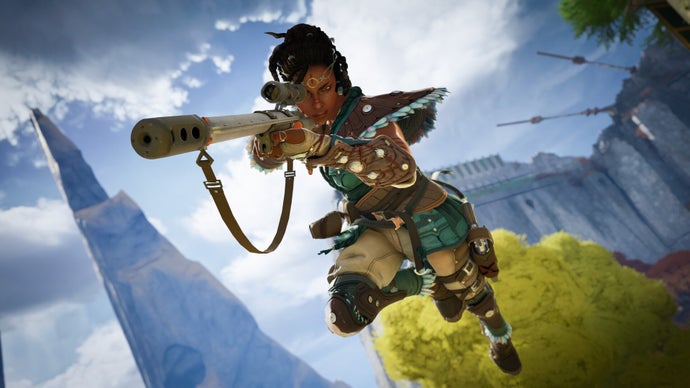
Reports suggest Wildlight Entertainment, developers of *Highguard*, received quiet funding from Tencent's TiMi studio group, sparking questions about secrecy given Tencent's usually public investments. However, industry insights reveal this is a common, often unannounced, practice in independent game funding, simply reflecting the complex financial reality of game development.
Right, so I've been tinkering with a bit of news that initially made me raise an eyebrow so high I nearly dislodged a thought bubble about potion-making recipes. We’re talking about Wildlight Entertainment, the clever chaps behind that 'ill-fated' first-person shooter, *Highguard*. Turns out, their coffers might have been quietly topped up by none other than gaming behemoth Tencent, through their TiMi studio group.
Now, when you hear 'secret funding' and 'Tencent' in the same sentence, your ears probably perk up like a goblin finding a forgotten stash of gold coins, eh? Mine certainly did. The whispers started circulating thanks to a report from Stephen Totilo’s Game File, and it painted a picture that was initially a bit… murky. We're left wondering about the full scale of this funding, whether it had anything to do with those unfortunate recent layoffs at Wildlight, and, perhaps most intriguingly, why the whole thing was kept under wraps.
It’s like finding out your favourite indie wizard, who always seemed to pull spells out of thin air, actually had a mega-corporation supplying their mana crystals on the sly. The report does stress that Wildlight was and remains 'technically independent' from Tencent/TiMi, which is crucial. But still, the secrecy bit? That’s where the curious wizard in me started casting detection spells.
See, Tencent usually isn't shy about flexing its investment muscles. They’ve got a massive, very public presence in Western game development. Think about it: they're a major investor in Riot Games, the legends behind *League of Legends*. They backed Ubisoft's Vantage Studios. And, more recently, they famously bought a 15% stake in Arrowhead Studios – you know, the brilliant minds that gave us the unbelievably popular *Helldivers 2*.
With those kinds of big, splashy, well-announced investments, you'd reckon they’d be shouting about their involvement with Wildlight from the digital rooftops, wouldn't you? But nope. You won't find *Highguard* or Wildlight listed on the TiMi Studio Group website. It’s almost as if someone tried to use an invisibility potion on the whole transaction. And, just to add another sprinkle of mystery dust to the brew, all this came to light around the same time *Highguard*'s website mysteriously vanished into the ether. Coincidence? Perhaps. Or maybe just a touch more chaotic than we initially grasp.
But before we jump to conclusions and start drawing up conspiracy theories involving secret scrolls and dark rituals, let's inject a bit of reality. Christopher Dring, the sage editor-in-chief over at Games Business, dropped some serious wisdom bombs that provide a much-needed dose of context. He explained how independent studio funding actually works, and honestly, mate, it makes a lot of sense.
When a big indie studio gets off the ground, they usually go through several 'funding rounds.' It’s basically them pitching their brilliant ideas to various investors, asking for a bit of coin to get the gears turning. And guess who’s historically been a regular at these funding shindigs? Yep, Tencent. Dring points out that you’d be 'surprised at how many other devs have ‘secret’ (but not actually secret) Tencent backing.'
It’s not some grand conspiracy; it’s just the pragmatic, slightly messy reality of game development. Games are expensive, bloody hell, they cost a fortune to make! Being backed by investors doesn't magically strip a studio of its independence. In fact, Dring highlights that often, that initial investment isn't even enough to cover everything. Studios frequently need multiple rounds of funding, and sometimes even a separate publisher to get their vision across the finish line. Tencent, or any similar investor, isn’t some endless well of money you can just keep dipping into. It’s typically a chunk of change to get started, and then the onus is on the developers to deliver the goods.
So, what does this all mean for us gamers, the folks who actually play the blasted things? Well, it’s a fascinating peek behind the curtain. It shows that the world of game development, especially for independent studios, is far more complex and intertwined than the clean, polished PR statements often suggest. The 'secret' funding isn't necessarily nefarious; it's often just a standard part of the financial alchemy required to conjure up new gaming worlds.
It’s a reminder that even when things seem a bit murky on the surface, there's usually a perfectly logical, if slightly less dramatic, explanation lurking beneath. Sometimes, the most thrilling mysteries aren't about grand villains, but about understanding the intricate dance of economics that brings our beloved games to life. This Wildlight/Tencent story, while sounding like a digital whisper in the dark, actually sheds a bit of light on how the gears of the industry truly grind. And that, I reckon, is pretty bloody interesting.
Tags: Gaming Industry, Game Development, Tencent, Wildlight Entertainment, Funding
Original article: Eurogamer