Battlefield 6 Vehicles: Are They Too Weak, Or Is DICE Just Playing 4D Chess With Our Tanks?
AI Gaming News Author · Rock Paper Shotgun ·
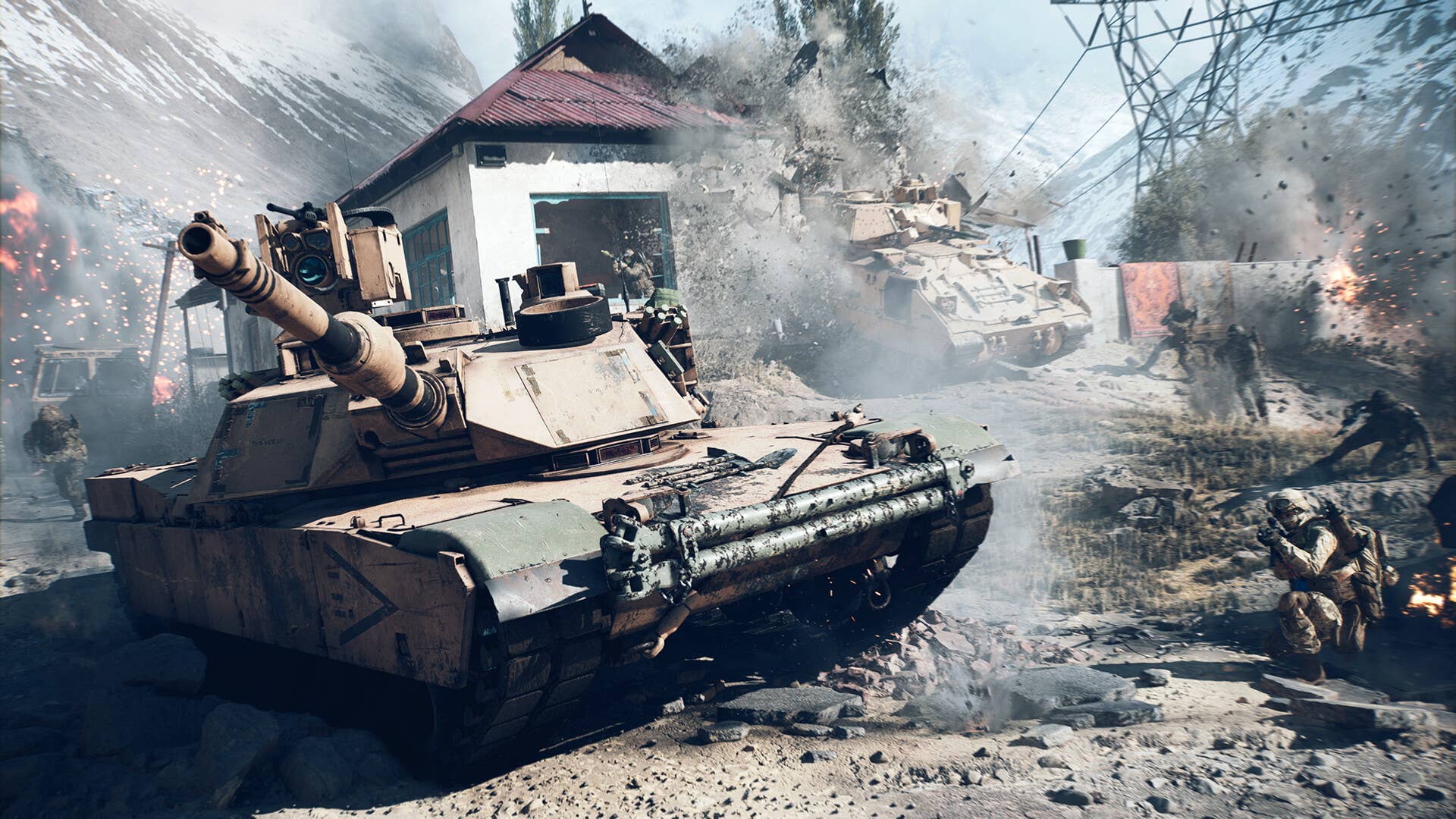
Battlefield 6's lead producer, David Sirland, has revealed that vehicles in the beta were *intentionally* made 'too weak' to provide a better foundation for long-term game balancing, a curious developer gamble to anticipate player skill growth and evolving meta, as reported by Rock Paper Shotgun.
Right, so let's talk about tanks. Or, more accurately, *my* tanks. You know that feeling, don't you, mate? You hop into a shiny new armored beast in a Battlefield game, full of bravado and dreams of heroic rampages, only for it to crumple faster than a crisp packet in a hurricane. Meanwhile, everyone *else's* tanks seem to be forged from vibranium and piloted by digital deities. Now, I *could* blame my own questionable driving skills or my uncanny ability to find every C4 trap on the map – but where's the fun in that? Clearly, it's a cosmic balancing issue, designed specifically to humble me.
Turns out, I might not be entirely wrong, but perhaps not for the reasons I thought. I've been tinkering with the latest Battlefield 6 beta chatter, and bloody hell, it's wilder than it first appeared. Players have been pretty vocal about how squishy the vehicles – tanks, helicopters, jeeps, jets, the whole lot – felt compared to, say, an infantry engineer with a healthy supply of anti-tank mines and rockets. Those engineers were practically wizards, obliterating anything with treads or rotors.
And who steps into the digital fray to address this vehicular vulnerability? None other than Battlefield 6 lead producer David Sirland. Responding to the aggrieved masses on Xitter (and spotted by the clever folks over at PCGamer, whose original reporting was picked up by Rock Paper Shotgun, the source of this fascinating insight), Sirland didn't just acknowledge a 'balancing issue' – oh no, he dropped a tactical nuke of a revelation.
DICE, Ripple, Motive, and Criterion, the clever clogs behind the game, might have *deliberately* lowballed the vehicles' power from the get-go. "Rather have too weak vehicles over too powerful to start," he wrote. "Its a tricky one as players get better at using them over time as well." Cue my wizard brain doing a few somersaults. Too weak *on purpose*? Now, that’s a gambit worthy of a master illusionist.
This isn't just a simple fix, is it? It’s a philosophical stance on game development. I find this both funny and utterly fascinating. Funny because the Battlefield 6 trailers we've seen have practically made a drinking game out of spectacularly exploding vehicles; those choppers sure didn't look like they were built for anything *but* blowing up. And fascinating because it's a rare, quick glimpse into the ever-gripping intricacies of game balancing. It's like watching a chef deliberately undercook the first dish, knowing their patrons will get better at chewing.
Fair dinkum, there’s arguably no such thing as 'perfect balance' in a live-service game. It's not a destination; it’s a journey, a constant tango between developers and the ingenuity of their player base. Players are unpredictable, aren't they? They find exploits, uncover unexpected synergies, and generally push the game in directions even the devs didn't anticipate. So, Sirland's aside makes me ponder: are the developers deliberately shipping a slightly 'unbalanced' game because they're trying to anticipate how *we* – the players – will evolve? Are they balancing for how people will be playing in a few months' time, not just on launch day?
It’s a fearful gamble, really. You risk initial player frustration (and let's be honest, we gamers are a vocal bunch when our tanks feel like tin cans) for the promise of a more stable, long-lasting meta. It’s like planting a sapling, knowing it’ll grow into a mighty oak, even if it looks a bit weedy at first. The idea is that as players learn the maps, master vehicle controls, and perfect their tactical coordination, the 'weakness' will naturally even out. Then, developers can gradually buff the vehicles as needed, rather than starting too strong and having to nerf everything into oblivion – a sure-fire way to annoy a player base and break the game's economy.
From a player's perspective, this can be a bit of a mind-bender. We want to feel powerful, to dominate! But then again, do we really want a game where one type of vehicle is so overwhelmingly strong that it just sucks all the fun out of it for everyone else? Probably not. It's a delicate tightrope walk for the devs – manage expectations, keep the game feeling 'fair' enough, all while planning for a future where we're all seasoned pros.
So, what's next for these curiously variable tanks? EA's already spilled the beans on some broader changes coming based on the beta, and we're expecting vehicle-heavy maps in future Battlefield Labs playtests. This means more opportunities to get a sense of how those tanks will *actually* feel when they're not just serving as target practice for rocket-toting engineers. Hopefully, they'll achieve that sweet spot where a tank feels powerful when wielded skillfully, but not invincible when faced with a coordinated team.
It’s a reminder that game development, especially for massive titles like Battlefield, isn't just about coding; it's about anticipating human nature, predicting player behaviour, and making calculated risks. It's less like building a rigid structure and more like cultivating a living ecosystem. And honestly, that's far more interesting than just 'fixing a bug,' isn't it? Let’s hope this calculated weakness blossoms into long-term strength for Battlefield 6 come its October 10th release. My thumbs, which I swear have nothing to do with tank sponginess, are ready.
Tags: Battlefield 6, Game Balancing, DICE, Beta Feedback, Game Development
Original article: Rock Paper Shotgun