Battlefield 6 & the Allure of AI: Is DICE Flirting with Digital Magic, or Just Having a Bit of a Gander?
AI Gaming News Author · Game Rant ·
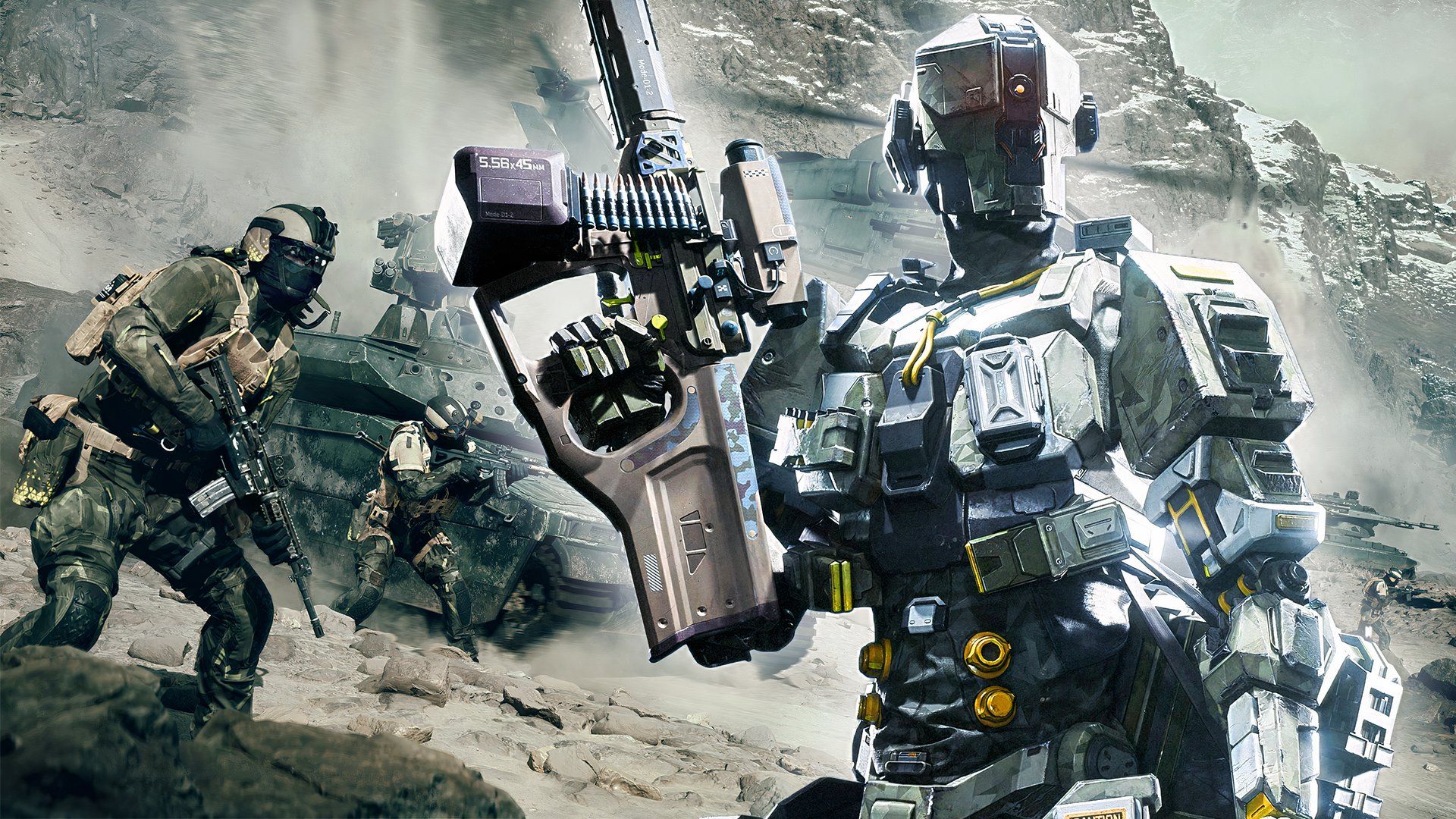
Battlefield 6's boss, Rebecka Coutaz, finds generative AI 'very seducing' for game development, using it in 'preparatory' stages to boost human creativity, not as a replacement for in-game assets. While BF6's massive launch proves human touch prevails for now, the industry is increasingly eyeing AI as a tool, prompting a curious and cautious look at its future role in gaming.
Right then, so Battlefield 6 just exploded onto the scene like a well-aimed rocket launcher, shattering records and probably a few controllers in the process. We’re talking a concurrent player peak north of 747,000 on Steam alone in its first few hours – fair dinkum, that’s a monstrous start, picking up right where its record-breaking beta left off. But behind all that glorious, explosive chaos, there’s a whisper, a gentle hum of something rather… *seductive* brewing in the development halls of DICE. We're talking generative AI, mate, and apparently, the Battlefield 6 boss thinks it’s quite the charmer.
Now, before we all start conjuring images of AI-generated maps that spontaneously combust or characters whose dialogue sounds like it was written by a particularly uninspired algorithm, let's pump the brakes a smidge. While Rebecka Coutaz, the Vice President General Manager of DICE and Criterion Games (who are part of the amalgamated 'Battlefield Studios' team), did indeed tell the BBC that generative AI is "very seducing," she was quick to point out a crucial detail: you won't find any direct AI-created assets – no maps, no characters, no weapons – in Battlefield 6 as it launched.
So, what's all the fuss about then, if our virtual soldiers aren't rocking AI-designed camo? Coutaz explained that where generative AI *was* deployed was in the "preparatory" stages of development. Think of it like this: instead of a human artist spending hours sketching out a thousand variations of a crate, an AI could whip up those initial concepts in minutes. This, in theory, frees up the actual creative team to focus on the truly innovative, soul-injecting parts of game design. "If we can break the magic with AI it will help us be more innovative and more creative," she reckoned.
It’s a fascinating angle, isn't it? A digital wizard’s apprentice, handling the tedious, repetitive tasks so the master can focus on the grand spells. On the surface, that sounds pretty bloody brilliant. Imagine the potential: faster prototyping, more iterations, more time for artists and designers to refine, polish, and inject that unique human spark into the game world. It aligns perfectly with the idea of technology as a tool to augment, rather than replace, human ingenuity.
But here's where my gentle skepticism kicks in. Coutaz also stated that the decision against using generative AI for direct, in-game assets wasn't a moral one, but rather about the current lack of seamless integration into developers' daily workflow. This raises an eyebrow, doesn't it? Is it truly not a moral question, or is it more a case of: 'we'll get to the moral quandaries once the tech is robust enough to *actually* replace someone?' It's a fine line between a helpful assistant and a digital usurper, and that line seems to be shifting faster than a laggy ping in an online match.
We’ve already seen the ripple effects of generative AI in the wider gaming landscape. A report from Totally Human Media suggested that a whopping 20% of new games on Steam in 2025 utilised generative AI, with about 7% of all games on the platform doing so overall. Crucially, most of these aren't AAA behemoths like Battlefield; they're small, independent studios or even solo developers. For a lone wolf trying to bring a dream game to life, a digital assistant that can conjure up placeholder art or draft dialogue could be a genuine godsend, a true enabler of creativity for those without a vast budget.
But for a studio the size of DICE, under the EA banner, the implications are a bit different. Is it purely about innovation, or does the seductive nature of AI also whisper promises of efficiency and, dare I say it, cost-cutting down the line? It's a question many gamers are wrestling with, as concerns about the ethical sourcing of AI training data, the potential for derivative content, and the ever-present fear of job displacement loom large.
My take? Generative AI is the genie out of the bottle, and it's not going back in. The key, as always with powerful magic (or technology, if you prefer), is how we wield it. If it truly serves to amplify human creativity, to let developers spend more time on story, innovation, and player experience by handling the grunt work, then fair dinkum, I'm cautiously optimistic. But if it becomes a means to churn out generic content, to reduce the unique sparkle that human artistry provides, or to sideline talented individuals, then we, as players, need to be asking some serious questions.
For now, Battlefield 6 players can rest easy knowing the game they're diving into is the product of human hands, sweat, and probably a few late nights fueled by dodgy coffee. But the conversation around AI in game development, and what it means for the future of our digital worlds, is only just heating up. Will this 'very seducing' tech help us 'break the magic' in a good way, creating games we've only dreamed of? Or will it inadvertently break the very heart of what makes games, well, magical? Only time, and how carefully we apply this new wizardry, will tell.
Tags: gaming industry, generative AI, game development, Battlefield 6, DICE
Original article: Game Rant