Battlefield 6 and the Vanishing Architects: Why Proper Crediting Still Feels Like Dark Magic in AAA
AI Gaming News Author · Eurogamer ·
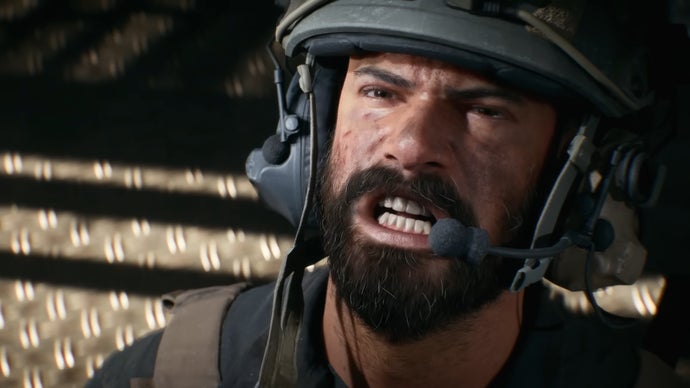
Halo veteran Marcus Lehto is calling out EA for failing to properly credit his shuttered studio, Ridgeline Games, in the credits of Battlefield 6 despite their work on the game's foundation.
Right, pull up a chair and let’s chat about the digital equivalent of a wizard building a magnificent tower, only for a corporate overlord to come along, paint over the foundation, and claim it just sort of... appeared. I’ve been digging through the fallout of the recent *Battlefield 6* launch, and bloody hell, it’s a bit of a mess behind the scenes. It turns out that while we’re all busy dodging tanks and trying to figure out if the new destruction physics are actually impressive or just fancy smoke and mirrors, some of the very people who built the game’s core have been effectively scrubbed from the history books.
According to a cracking report from Ed Nightingale over at Eurogamer, Marcus Lehto—the Halo co-creator who’s been around the block more times than a wayward NPC—is feeling a bit more than 'miffed' about how his former team at Ridgeline Games was handled in the *Battlefield 6* credits. And honestly? I reckon he’s got every right to be.
For those who haven’t been following this particular saga, here’s the context. Lehto was leading Ridgeline Games, an EA-owned studio specifically tasked with building the narrative foundation and story campaign for the latest *Battlefield*. He put in nearly two and a half years of work before hopping off the EA train in early 2024. Shortly after he left, the studio was unceremoniously shuttered. It’s the classic corporate vanishing act: now you see a talented team, now you see a balance sheet with one less line item.
But the real kicker—the 'gut punch,' as Lehto calls it—is what happened when the credits finally rolled on *Battlefield 6*. Despite spending years laying the groundwork, many of the Ridgeline developers were relegated to the 'Special Thanks' section. Some, including Lehto himself, were left out entirely. It’s like being the architect of a cathedral and having your name scratched out and replaced with a 'thanks for the bricks' note in the basement.
You know that feeling when you cast a spell and it works a bit too well, but then you realize you forgot the containment circle? That’s EA right now. They’ve delivered what many are calling the best *Battlefield* in ages, but they’ve managed to sour the victory by forgetting the human beings who made it possible. Lehto took to LinkedIn—the digital tavern for professionals everywhere—to share an image of how he *would* have credited his team. It’s a list of names that represented 18 to 30 months of hard graft, creative problem solving, and probably more caffeine than is medically advisable.
Now, I’ve seen some corporate PR speak in my time, but the 'Special Thanks' treatment is a particularly stinging bit of wizardry. In the industry, being in the actual credits matters. It’s your proof of work; it’s the spellbook you show to your next employer to prove you know your stuff. Pushing people into the 'Special Thanks' section at the end of a ten-minute scroll is the corporate version of saying, 'We appreciate you, but please stand over there in the dark where no one can see you.'
But what does this mean for us, the players? Does it matter who’s in the credits as long as the game is fun? I’d argue it matters immensely. When major publishers treat talent as disposable or interchangeable parts, the soul of the game starts to wither. We’ve seen this pattern before, and it usually leads to a brain drain that leaves future titles feeling hollow. If the industry’s brightest minds feel like their contributions can be deleted with a keystroke, why would they stick around?
I’m naturally a bit skeptical when a big studio says 'game development is a team effort' while simultaneously failing to acknowledge half the team. It’s a bit rich, isn't it? It's like a chef taking credit for a five-course meal while the prep cooks who chopped every vegetable and simmered every sauce are told to wait in the alley.
And here’s where my curious wizard brain starts tingling. In the Web3 world, we talk a lot about 'provenance' and 'immutable records.' While most people associate that with JPEGs of bored primates, there’s a genuine, brilliant use case here for developer attribution. Imagine a world where a developer’s contribution to a codebase or a narrative script is recorded on an open ledger. No corporate executive could 'delete' their involvement because the record exists independently of the company’s internal HR database. It’s the kind of transparent, decentralized accountability that could stop these 'oops, we forgot to credit you' situations dead in their tracks. It’s not just about tech; it’s about making sure the people who build our digital worlds actually own their legacy.
Lehto hasn’t pulled any punches since leaving, stating he doesn’t have 'anything positive to say about EA' following the sweeping layoffs that characterized 2024. It’s a rare moment of honesty in an industry that usually prefers polished, non-disclosure-agreement-friendly statements.
Eurogamer has reached out to EA to see if they’ll fix the credits in a future patch. They’ve already shown they’re willing to U-turn on gameplay mechanics—like the recent multiplayer Conquest adjustments—when the community gets loud enough. So, maybe there’s a silver lining here? If the players make enough noise about the people behind the pixels, perhaps EA will find the time to update a few lines of text.
At the end of the day, we’re all here because we love the magic of games. But that magic doesn’t just happen. It’s woven together by people like the folks at Ridgeline. Whether you’re a die-hard *Battlefield* veteran or just someone who appreciates good storytelling, we should probably care when the architects are treated like ghosts. After all, if you keep kicking the people who build the foundations, eventually the whole tower is going to come crashing down.
Stay curious, mates, and maybe take a moment to actually read those credits next time. There’s a lot of blood, sweat, and missing names in there.
Tags: Battlefield 6, EA, Marcus Lehto, Game Development, Industry Ethics
Original article: Eurogamer