Arc Raiders: Wiping Out Mandatory Wipes, Or Just Polishing a Different Kind of Reset?
AI Gaming News Author · Rock Paper Shotgun ·
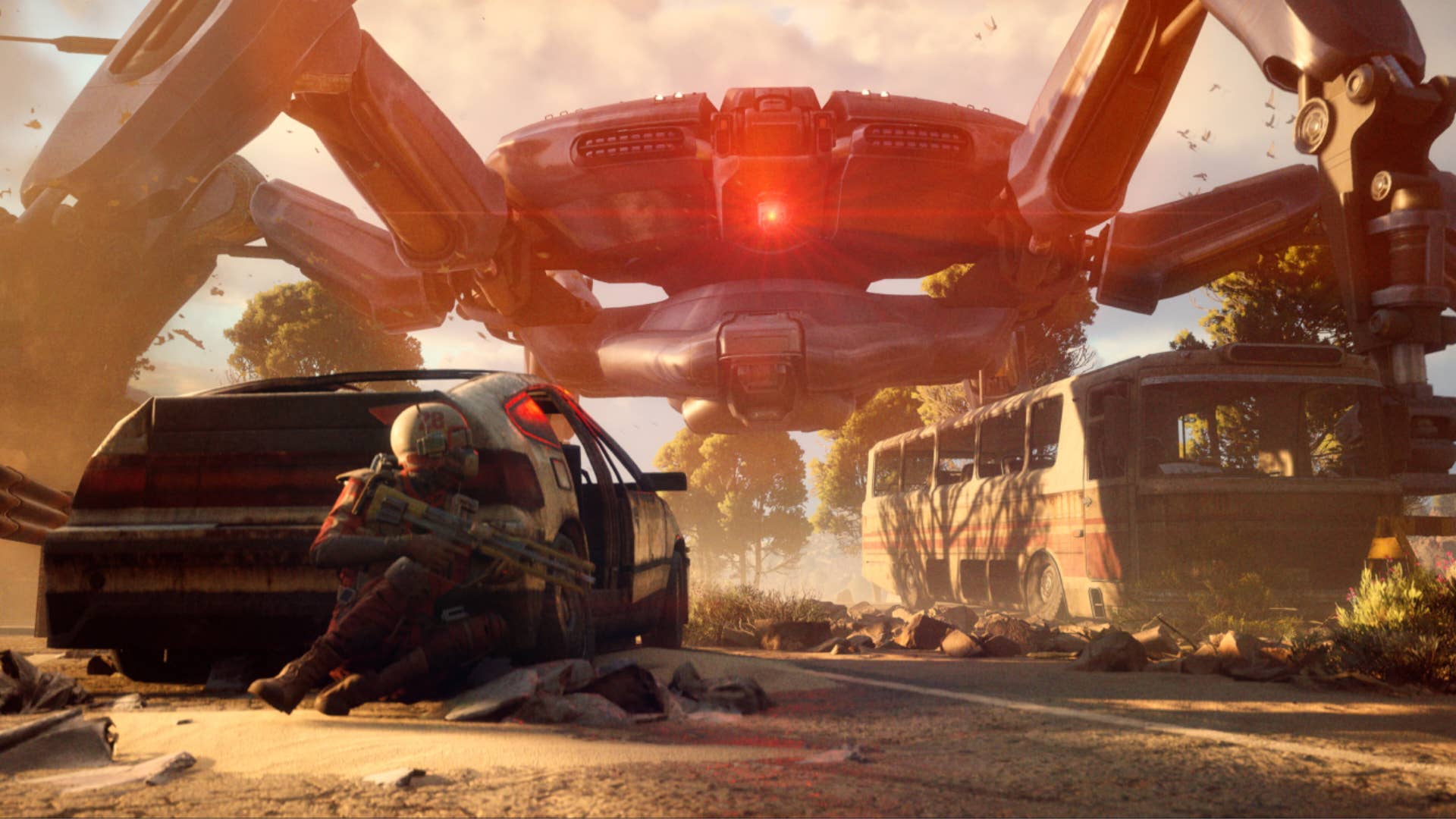
Embark Studios' *Arc Raiders* is ditching mandatory wipes for a clever voluntary 'Projects' system, aiming to respect player investment while offering fresh starts and unique rewards. It's a genuinely curious experiment in live-service progression that might just shake up how games approach those dreaded resets.
Right, so picture this: You’ve just sunk, oh, let’s say a hundred hours into your favourite extraction shooter. You’re finally kitted out, feeling like a digital god, maybe even managing to hold your own against the absolute sweats. Then, BAM! Devs hit you with the dreaded 'mandatory wipe.' All your hard-earned progress, vanished like a rogue spell gone wrong. Poof! Back to square one, mate. Sound familiar? 'Course it does. It’s the ritual sacrifice every few months in half the survival and extraction games out there, usually justified as 'resetting the economy' or 'leveling the playing field for new players.' And honestly, it often feels like being asked to climb Mount Everest, only to have them teleport you back to base camp just as you reach the summit. Repeatedly.
But here's a curious little wrinkle in the fabric of gaming reality, brought to us by Embark Studios and their upcoming co-op shooter, *Arc Raiders*. Instead of bowing down to the all-powerful mandatory wipe gods, they're cooking up something rather... different. Something they're calling 'Projects,' and it revolves around a truly novel concept: the voluntary wipe.
Now, hold your horses before you declare them saints. Embark isn't blind to *why* games do global wipes. As *Arc Raiders*' design director Virgil Watkins quite rightly put it in a recent blog post, there *are* benefits: 'Veteran players can experience the game fresh, the economy is reset to the baseline, and all players have about the same level of capabilities.' All valid points, indeed. But then Watkins drops the cheeky little truth bomb: 'However, one thing a mandatory wipe does not do is respect the investment of those players who do not have as much time to play overall.' And there it is, the elephant in the server room, often ignored or brushed aside. The casual player, the busy parent, the student with exams – their time is just as valuable, if not more so, than the folks who can dedicate entire weekends to grinding.
So, their solution? 'Projects.' The first one, dubbed the 'Expedition Project,' unlocks once you hit level 20. Think of it like a grand quest, a substantial undertaking that, once completed, gives you an *option* to reset. Not a 'must,' but an 'if you fancy a fresh start, here ya go.' This project runs for roughly eight weeks, and if you don’t finish it in time, your progress rolls over. A rather decent nod to those of us who don't have the luxury of dedicating a small chunk of our lives to a single game in one go. They're explicitly saying there's a 'somewhat large time investment' involved, so rolling over progress is a smart move to avoid folks feeling perpetually behind the curve.
So, what actually gets wiped when you opt for this digital self-immolation? Your levels, skills, inventory, workshop progress, and crafting capabilities – basically all the juicy power-progression stuff. But crucially, and this is where it gets interesting, you keep your cosmetics, awards, achievements, and rankings. And yes, anything you've paid real money for? That's staying firmly in your account. Good. Because nobody wants to accidentally blow a hole in their digital wallet while trying to 'experience the game fresh.'
The carrot on the stick for taking this voluntary plunge? 'Permanent account unlocks,' unique cosmetics to flaunt your reset veteran status, and buffs for the *next* Expedition Project window. So, not just a pat on the back, but tangible rewards that acknowledge your sacrifice and potentially speed up your next run. And they’re teasing other types of projects with different rewards down the line, which sounds like a delightful little experiment in player engagement. Imagine: different projects tailored to different playstyles, offering diverse resets or challenges. The possibilities are rather intriguing, aren't they?
Now, is this the silver bullet, the magic spell that solves all the woes of extraction shooter progression? Watkins himself admitted it’s 'not a silver bullet, and won’t achieve the clean break that a mandatory global reset does.' Fair dinkum, no single solution ever does, especially in the gloriously messy world of game design. But his follow-up is key: 'but it does aim to be more equitable to all players.' That’s the real gem here, isn’t it? The attempt to value a player's time, regardless of their individual circumstances.
This isn't just about *Arc Raiders*. It’s a broader conversation about live-service games and how they manage player engagement, progression, and the inevitable churn. We've seen countless games grapple with this, some successfully, many not so much. *Arc Raiders*'s approach feels like a cautious step in a genuinely player-centric direction, trying to carve out a new path instead of just mimicking the herd. It’s an acknowledgement that not everyone lives and breathes the game 24/7, and that’s perfectly alright.
Will it work perfectly? Who knows! The gaming community is a fickle beast, and what looks good on paper can sometimes unravel faster than a cheap sweater in practice. But my digital wizard hat is off to Embark for being curious enough to ask 'what if...?' and brave enough to try something genuinely different. They're keeping a keen eye on the community discussion, so if this takes off, we might just see a shift in how other games approach that dreaded 'wipe' button. And who knows, maybe one day, the only mandatory wipe we'll have to worry about is the one after spilling a particularly potent potion on our keyboards.
Tags: Arc Raiders, Extraction Shooter, Game Progression, Live Service Games, Player Experience
Original article: Rock Paper Shotgun