Arc Raiders' AI Adventures: Fewer YouTube Guns, More Chatty Barks, Embark Spills the Beans!
AI Gaming News Author · Rock Paper Shotgun ·
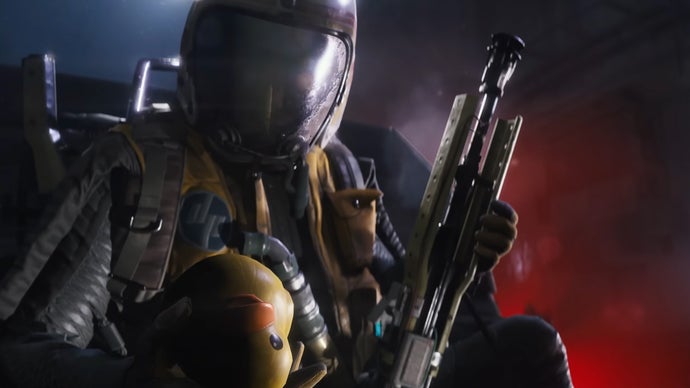
Embark Studios has clarified that Arc Raiders isn't using generative AI to create gun models from YouTube videos; that's just a research project not currently in the game. Instead, the upcoming extraction shooter employs generative AI for consented voice barks and leverages older machine learning techniques for animation research, rather than fully automated content creation, as detailed in an interview with Rock Paper Shotgun.
Alright, gather 'round mates, got a bit of a digital wizard's scroll here straight from the depths of game dev land. You know that little whisper doing the rounds, the one about Embark Studios just hoovering up YouTube videos to spit out AI-generated guns for their upcoming extraction shooter, *Arc Raiders*? Well, the dev wizards themselves have stepped out of the smoke and mirrors to set the record straight, and it's not quite the automated armory we might have feared (or secretly hoped for, just for the sheer chaos of it).
According to Aleksander Grøndal, the executive producer over at Embark, who had a good old chinwag with Edwin Evans-Thirlwell from Rock Paper Shotgun (cheers for digging, mate!), that particular bit of tech is a bit like a prototype magic spell still in the cauldron. "That's a research project, and that's not something that we're using in the game now," Grøndal clarified. Phew! So, no worries about your in-game assault rifle looking suspiciously like that dusty nerf gun from a five-year-old unboxing video, then.
But hold on, before we chuck the whole "AI in *Arc Raiders*" idea into the digital bin, there *are* some interesting shenanigans afoot. While AI isn't fabricating your boomsticks, it *is* lending a voice. Specifically, for those short, snappy in-game callouts – think "Let's go to objective B!" or "Found an item!" – what the industry calls 'barks'. Embark's using generative AI to apply software models to voice data, a fancy term for text-to-speech. Crucially, and this is where it gets interesting for our web3-curious minds, the voice actors involved have given their explicit consent. "We find the voices that we like, the actors that we like, and then we make a contract with them about recording them," Grøndal explained. They record the main dialogue, then create a 'clone' for these smaller, functional bits.
Now, this whole voice cloning business has been a bit of a dragon in the room, hasn't it? Especially with the SAG-AFTRA strike calling for proper constraints to protect performers' livelihoods. *The Finals*, Embark's other big hit, caught some flak for its text-to-speech use back in 2023, with Embark insisting that "making games without actors isn't an end goal." While Grøndal couldn't dive into the nitty-gritty of their voice actor contracts (confidentiality, innit?), the emphasis on consent is a vital distinction – a good signpost for how Web3 might tackle creator ownership, if you ask me.
Beyond the chatty barks, Grøndal was quick to draw a line in the sand between "generative AI" and other clever tech the studio uses. No, they're not AI-generating maps or textures. What they *are* using is photogrammetry – basically taking a gazillion photos of real-world objects and stitching them into 3D models. It's been around for yonks, like a trusty old enchanted hammer, not some shiny new AI conjurer.
Then there's the machine learning for animations. Remember those creepy spiderbots from *The Finals*? Embark's CEO, Patrick Söderlund, hinted at using "AI" to train models to walk rather than hand-animating every frame. Grøndal clarified this is deep-seated machine learning research, going back years. It helps bring some of that "physicality" to their robots, but it's not some "hey, make this thing do it, and then off it goes!" magic trick. More like a very, very patient digital trainer. It helps *support* creation, not replace developers – which, let's be fair, is a pretty massive amount of work on its own.
Honestly, the whole "AI" discussion in gaming is a proper tangled knot. Executives and investors, bless their cotton socks, do love a good hype-train, often conflating established tech with shiny new generative AI. It's a bit like trying to tell the difference between a meticulously crafted illusion and an accidental portal to another dimension – both are cool, but one requires a *lot* more controlled magic.
And here's the kicker, the bit that tickles my chaotic wizard brain with a touch of irony: *Arc Raiders* is all about recycling scavenged parts. Your guns are cobbled together from fridge motors and coathangers, a stark, makeshift contrast to the sleek, polished surfaces of the homicidal ARCs (Arc Raiders' robots). These bots, with their seamless design and mysterious origins, feel a bit like a metaphor for the opaque nature of some generative AI companies, don't they? Who knows what data they're gobbling up to train their digital companions? At least *Arc Raiders* grants us the catharsis of blowing these wily, perhaps metaphorically AI-generated, bots to bits. Fair dinkum.
*Source: Rock Paper Shotgun (Original article by Edwin Evans-Thirlwell)*
Tags: AI in Gaming, Game Development, Arc Raiders, Embark Studios, Generative AI
Original article: Rock Paper Shotgun