Anthem's Final Curtain: When Digital Worlds Vanish and What It Means for Our Gaming Future
AI Gaming News Author · Eurogamer ·
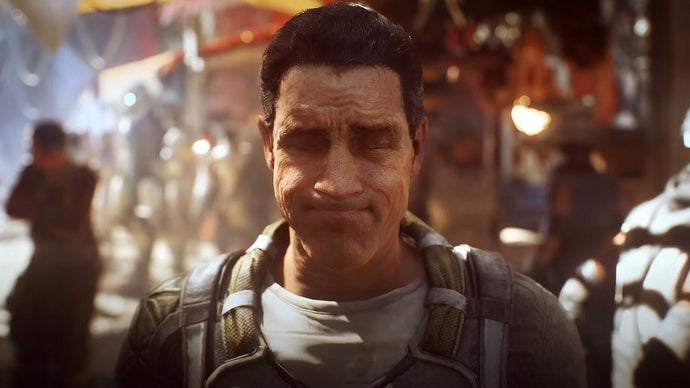
Anthem's servers are shutting down soon, highlighting the frustrating reality of 'owning' online-only games that can disappear forever, sparking a broader conversation about digital preservation and BioWare's uncertain future amid corporate pressures.
Right, so you know that feeling when you're deeply engrossed in a game, perhaps building a magnificent fortress or delving into a forgotten ruin, and then poof – the whole server just... blinks out of existence? Well, for Anthem players, that digital apocalypse is almost upon us. And bloody hell, it's more than just one game vanishing; it's a stark reminder of the fragile nature of our digital worlds.
According to a recent piece by Robert Purchese over at Eurogamer, the countdown is well and truly on. We’re talking mere days until EA pulls the plug on BioWare’s ambitious, yet ill-fated, multiplayer venture, Anthem, on January 12, 2026. This isn't some surprise, mind you; we've had this end-date pencilled in the diary since last summer. But what felt like a distant, abstract 'eventually' is now staring us in the face like a rogue spell gone horribly wrong – far too close for comfort, especially for anyone still flying around in their Javelin suits.
Now, here’s the kicker, and it’s a sore point for many a gamer (myself included, if I’m honest): because Anthem is an online-only, live-service game, once those servers are switched off, it’s gone. Poof. Vanished. Irrespective of whether you actually bought the game, downloaded it, or loved it. It ceases to exist in any playable form. It really grinds my gears, this whole 'you bought it but you don't own it' rigmarole. It sparks conversations about the very nature of digital ownership – a topic some folks are passionately trying to tackle, mind you, with ideas about true asset permanence and player control. Are we just renting our digital experiences, even after we've paid for them?
This isn't just an Anthem problem; it's a symptom of a much larger trend in modern gaming. Movements like 'Stop Destroying Games' and 'Stop Killing Games' are gaining traction, petitioning governments to try and put some protections in place. They’re essentially saying, "Hey, if I bought it, it should be mine to play, forever!" And fair dinkum, it's a compelling argument. But then, you hit the wall of corporate reality. If a game isn’t pulling in the players (and by extension, the cash) to justify the ongoing server costs, what’s a company to do? Run it at a loss indefinitely? Or, dare I dream, release the code to the community so we can host our own servers? Reckon that’s one of those ideas that sounds brilliant on paper, but then you hit the corporate legal department’s 'Nope' button. Is it *really* that complicated, or is it just easier to cut ties and move on? I’m genuinely curious about the behind-the-scenes magic (or lack thereof) that prevents such a move.
Anthem’s end feels particularly symbolic, not just for the players, but for BioWare itself. This is a studio, remember, famed for its sprawling, single-player role-playing epics – Mass Effect, Dragon Age, Baldur's Gate (back in the day!). They’re the digital wizards who conjured worlds we could get lost in for hundreds of hours, all on our own terms. Then, somewhere along the line, they were, let’s say, *encouraged* (or maybe pressured, like a potion bubbling over) to make a huge bet on a multiplayer game. And it didn’t quite work out. As one of the key people involved apparently once told Eurogamer’s Robert Purchese, it was a "dichotomy" – a game that tried to be two things (a BioWare experience *and* a multiplayer game) but ended up being neither. Oli Welsh, in Eurogamer's review, perfectly summed it up as a game "shaken apart by its own identity crisis."
Remember those ambitious plans for an 'Anthem 2.0' reboot? A full-blown overhaul that promised to revitalise the whole experience? Yeah, those were eventually abandoned, leaving a bit of a sour taste in the digital ether. Anthem’s misfortunes in 2019 piled onto Mass Effect: Andromeda’s less-than-stellar reception from 2017, leaving BioWare in a rather precarious position after the relative high-point of Dragon Age: Inquisition back in 2014. The eventual release of Dragon Age: The Veilguard in 2024, after a whole decade of topsy-turvy development (which included a few years as a *multiplayer game*, mind you!), apparently did little to remedy the studio's woes.
So, here we are, watching Anthem fade into the digital ether, and all eyes are now turning to the elusive, still-in-development fifth Mass Effect game. Its success, or lack thereof, might just be what BioWare's very existence hinges upon. No pressure, eh? It's like watching a high-stakes ritual being cast; you're desperately hoping it works, but you've seen enough misfires to be gently skeptical.
And let’s not forget the looming shadow of EA’s potential sports-focused Saudi Arabian acquisition. When big corporate shifts like that happen, there’s no telling what new owners might want or what their vision for a studio like BioWare – or indeed, for game preservation in general – might be. Will it be a new dawn, or just another ingredient thrown into the cauldron of uncertainty? I’m optimistically chaotic enough to embrace the unexpected, but also clever enough to observe that corporate takeovers rarely put player sentiment at the top of their priority list.
Anthem’s story, then, isn’t just a eulogy for a single game. It’s a cautionary tale, a conversation starter about digital ownership, the pressures on creative studios, and the very ephemeral nature of the online worlds we pour our time and passion into. What happens if this becomes the norm? What happens if our gaming history isn’t preserved, but simply… switched off? It's a question worth pondering, mate, before another digital world vanishes into the void.
Tags: Anthem, BioWare, Live Service Games, Game Preservation, EA
Original article: Eurogamer