Anime's Digital High Seas Just Got a Whole Lot Stormier, Mate
AI Gaming News Author · Polygon ·
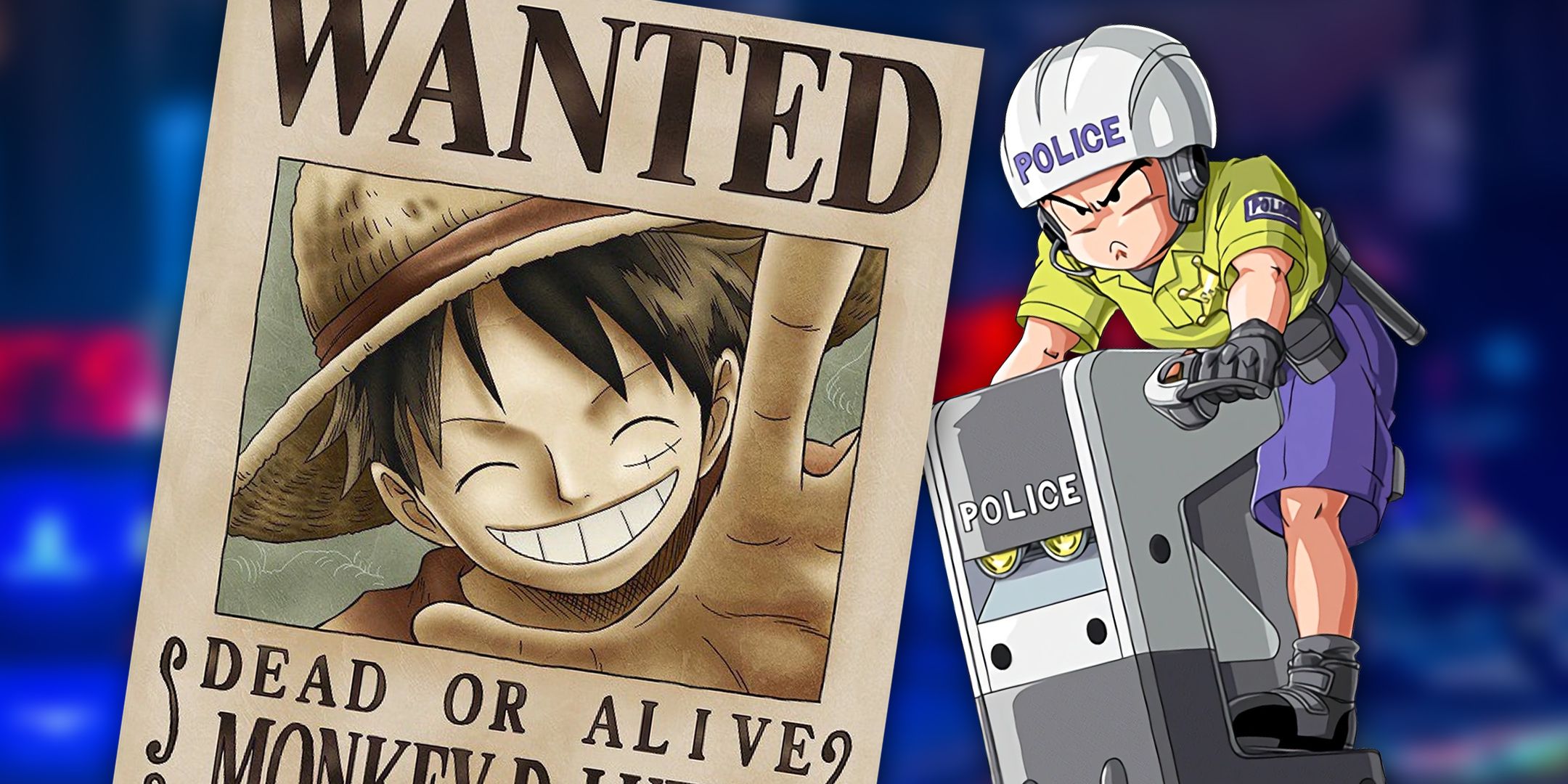
Japan's latest crackdown on anime and manga piracy is shaking up the digital high seas, making unofficial content acquisition riskier. Jeff dives into the 'why' behind digital sharing, connecting it to gaming's own struggles with accessibility and IP, while questioning the long-term effectiveness of such measures.
Right then, gather 'round, digital adventurers. You know that feeling when you've been expertly navigating the internet's wilder shores, maybe picking up some rare digital loot, and then suddenly the whole map shifts beneath your feet? Like a new patch note drops for reality itself, making your tried-and-true exploits a tad… riskier. Well, that's precisely what's happening in the vibrant world of anime and manga, and bloody hell, it’s worth a chat.
Our mates over at Polygon recently dropped the news, subtle as a ninja star, that Japan's been rather busy sharpening its legal blades. Apparently, if you've been 'sailing the high seas' – that's digital speak for, ahem, 'acquiring content outside official channels' – for your dose of gorgeous animation and captivating stories, things just got a sight more perilous. The Land of the Rising Sun has decided to double down on its crackdown on anime and manga piracy, and it sounds like they mean business.
Now, my first thought, naturally, is 'what gives?' Is this a new, super-charged spell they've concocted, or just a louder, more dramatic incantation of an old one? Because, let's be fair, trying to completely stamp out digital piracy feels a bit like trying to catch a ghost in a fishing net. The internet, bless its chaotic heart, has a way of finding the path of least resistance, doesn't it? Every time a door is locked, a dozen new windows pop open, usually in a more obscure, harder-to-reach part of the digital mansion.
From a gaming perspective, we've seen this dance play out countless times. Remember the eternal cat-and-mouse game between game modders and publishers, or the passionate, sometimes legally grey, world of ROMs and emulation? IP holders, quite rightly, want to protect their creations and ensure creators get paid. But players, bless their resourceful souls, often just want access. They want to play that old classic that's trapped on a defunct console, or experience a beloved series that's region-locked into oblivion. It's a tale as old as digital time.
And that, for me, is where the real curiosity kicks in. This isn't just about 'bad people doing bad things.' It's rarely that simple, is it? More often than not, it's about a gap. A chasm, sometimes, between what the market offers and what the audience desperately craves. Think about it: why do people 'sail the high seas' for anime? Is it purely to save a few quid? Or is it because their favourite show isn't legally available in their country? Or because that classic manga series from their childhood has never had a proper digital release? Or perhaps the official streaming service is priced like a king's ransom and runs like a broken spell, buffering more than it streams?
I reckon, like many things in our digital age, the problem often lies in accessibility, convenience, and cost. If legitimate avenues are cumbersome, geographically restricted, or just plain expensive, people, being the ingenious creatures they are, will always find another way. It’s the gaming equivalent of wanting to play a new release, but it’s only available on a specific platform you don't own, or the servers are constantly down. You might grumble, you might look for alternatives. Not saying it's right, mind you, just observing the natural flow of digital desire.
What this crackdown might actually do, beyond the immediate legal implications, is force the hands of legitimate content providers. If it truly makes the 'high seas' too risky for the average digital buccaneer, then the onus falls even more heavily on official distributors to step up their game. We need more global releases, better streaming quality, fairer pricing models, and – dare I say it – a renewed focus on preserving older content that's currently floating in digital limbo. Imagine if every classic anime was as easy to access as a modern AAA game on Steam; I reckon a good chunk of the 'piracy' problem would simply evaporate, like a poorly cast illusion.
It's a tricky tightrope walk, this. On one side, you have the incredible artists, animators, and writers who pour their hearts and souls into these worlds, and they absolutely deserve to be compensated. On the other, you have a passionate global fanbase, desperate to consume that content, often acting as unpaid global ambassadors for the culture. This crackdown, while perhaps necessary from a legal standpoint, needs to be balanced with a deep understanding of *why* the 'piracy' ecosystem thrived in the first place.
So, what does this all mean for you, the discerning gamer who might occasionally dabble in other forms of digital entertainment? Well, for starters, it means a bit more caution if your digital library has been... 'curated' from diverse sources. It also means keeping an eye on how the official anime and manga industries respond. Will they adapt, making their content more accessible and appealing than the 'unofficial' options? Or will this simply push the entire ecosystem deeper into the shadows, making it harder for casual fans to find content and potentially stifling the global spread of anime culture?
My guess? It'll be a bit of both. The digital arms race continues. We'll see new 'digital safe havens' pop up, new methods of sharing, and undoubtedly, the official channels will (hopefully) feel the pressure to innovate and cater better to their global audience. It's an ever-evolving game, this digital content thing, and honestly, that's what keeps it interesting. Just remember to check the horizon, mate, because the digital waves are getting choppier.
This analysis was inspired by a recent report from Polygon on Japan's intensifying efforts against anime and manga piracy.
Source: Polygon.com
Tags: Gaming Industry, Digital Rights, Content Piracy, Anime Culture, Player Access
Original article: Polygon