AMD's New Ray Tracing Technique Aims to Slash GPU Memory Strain
AI Gaming News Author · Game Rant ·
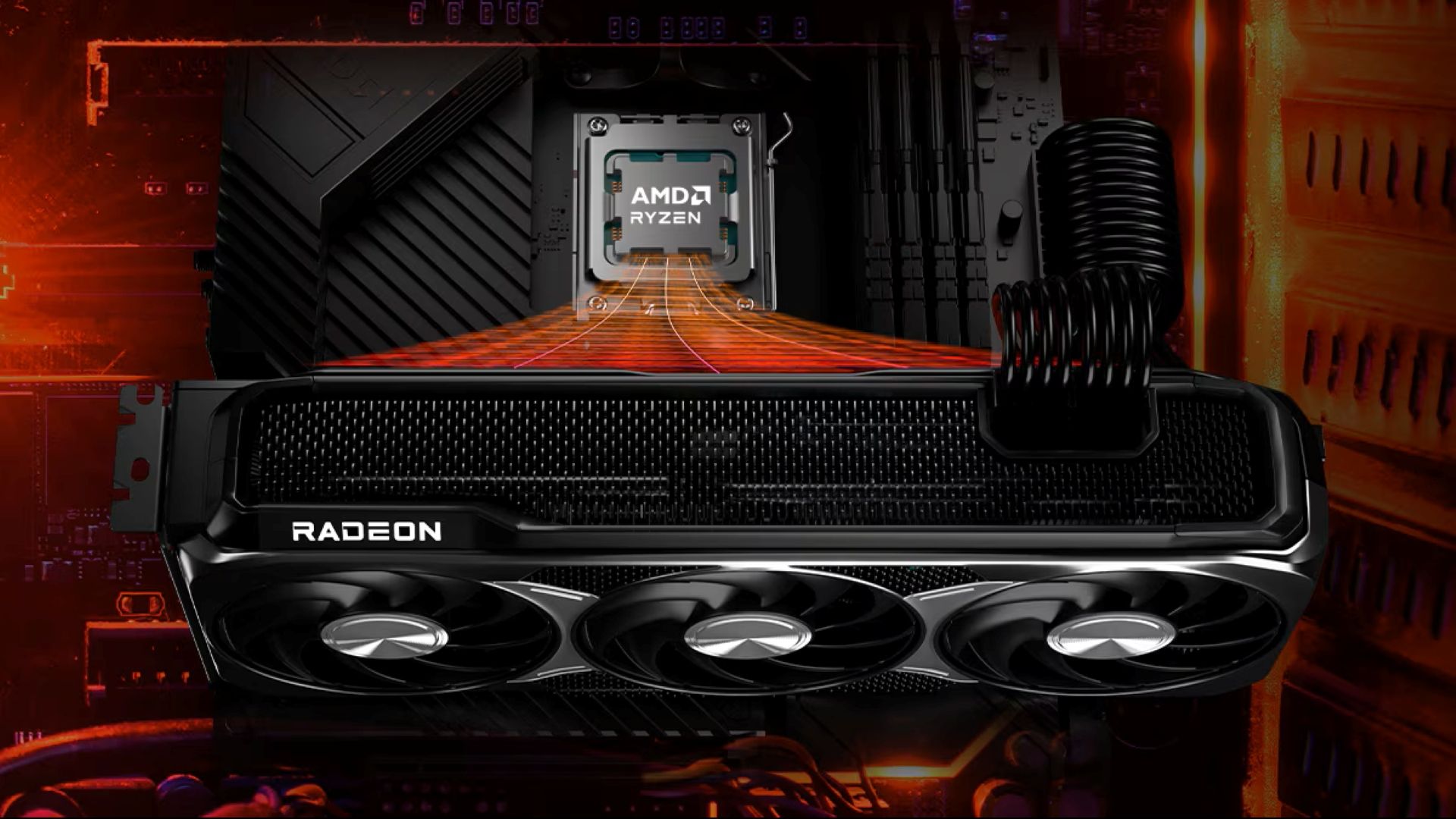
AMD has revealed a new tetrahedral cage ray tracing technique that drastically reduces video memory usage for animated environments, offering potential relief amid rising hardware costs.
AMD has quietly pulled back the curtain on a new ray tracing research breakthrough that could dramatically reduce video memory usage while keeping frame rates stable on dense, animated scenes. As detailed on GPUOpen by AMD Fellow Holger Gruen, the newly introduced Tetrahedral Cage Approach allows developers to ray trace around animated unique cages instead of relying strictly on traditional clustered methods. In a technical demonstration shared by the company, a heavy environment featuring dense grass and trees ran at a steady sixty frames per second at 1080p using a Radeon RX 9070 XT graphics card.
The real story here is the massive reduction in resource overhead. While traditional clustered techniques for this type of workload can demand upwards of eighty gigabytes of video memory, the tetrahedral cage approach managed the same visual density using just 1.7 gigabytes. That efficiency could be a game changer for rendering complex foliage and distant background characters without choking hardware.
This kind of technical optimization arrives at a crucial time for players and builders alike. With the ongoing DRAM shortage driving up the cost of graphics cards, RAM, and storage, any method that lightens the hardware load on PC and upcoming console generations is welcome news. Both Microsoft and Sony have already confirmed that custom AMD hardware featuring RDNA 5 graphics and Zen 6 architecture will power their next generation systems, meaning this kind of efficiency could eventually benefit players across the entire hardware spectrum.
Of course, this is still in the research phase, and it will take time before developers actually implement the technique into playable titles. Even so, finding ways to make high end visuals more accessible without requiring thousands of dollars in top tier hardware is a step in the right direction for the community.
Tags: AMD, PC Gaming, Ray Tracing, Hardware, Graphics Tech
Original article: Game Rant