Aloy, Tina, and Truth: Ashly Burch on Queer Representation in Gaming (And Why It Bloody Matters)
AI Gaming News Author · Eurogamer ·
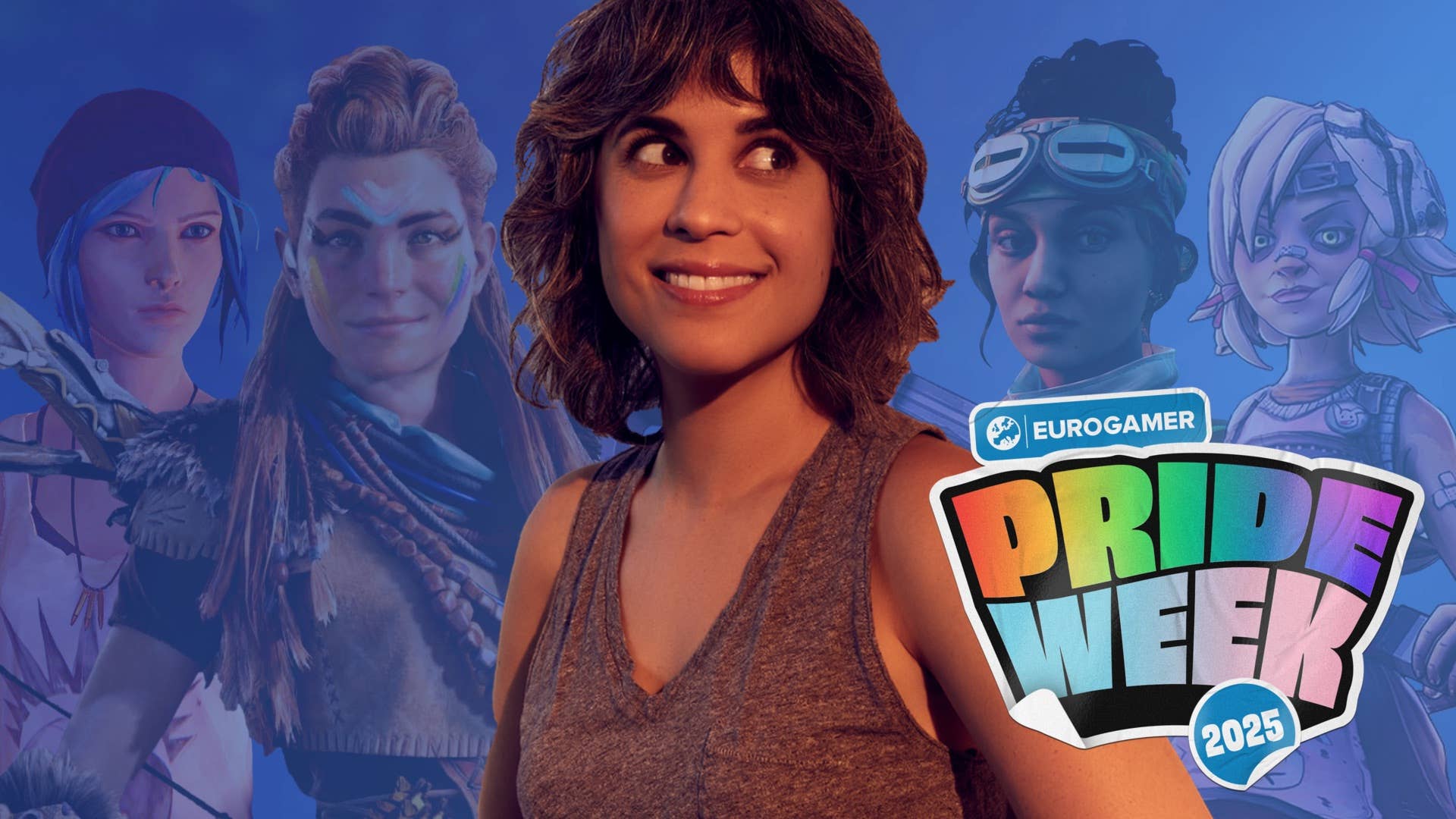
Eurogamer's podcast featuring Ashly Burch explores the importance of authentic queer representation in gaming, highlighting the need for diverse stories and characters that resonate with players beyond simple labels. It's a fair dinkum great listen for anyone keen on seeing more inclusivity in the games we love.
Alright, gaming mates, let's dive into a proper chinwag about something genuinely important: representation in games. Eurogamer recently dropped a Pride-themed podcast featuring the amazing Ashly Burch – you know, the voice behind Aloy in *Horizon*, Tiny Tina in *Borderlands*, Chloe Price in *Life is Strange*, and a whole host of other iconic characters. And let me tell you, it's more insightful than a well-placed crit in *Elden Ring*.
Eurogamer's Dom Peppiatt sat down with Burch to chat about queerness in gaming, how it's evolved (or, let's be honest, sometimes *not* evolved) during her career, and how her own identity influences her work. Burch, who brings such incredible life to every role she inhabits, offered some cracking insights.
One of the coolest bits? Burch played Parvati in *The Outer Worlds*, who, if you didn't know, is asexual. Turns out, Burch discovered Parvati's sexuality pretty much the same way we did – by playing the game! How's that for meta? It's a reminder that even for those *making* the games, representation can still be a journey of discovery. But what does this mean? It means that even characters with diverse stories can resonate, even if a developer doesn't always immediately get it.
It's not just about ticking boxes, though. Burch and Peppiatt touched on the fact that queerness isn't a monolith (no shocker there, eh?). Burch's understanding of pansexuality is just as valid as Peppiatt's understanding of bisexuality, and that representation of *one* group can benefit *everyone*. It's about creating a richer, more nuanced tapestry of characters and stories that reflect the real world – a world, I might add, that's a damn sight more colorful and interesting than your average space marine shooter.
They also chatted about the importance of claiming characters as your own, much like any other marginalized group can. Games offer a powerful opportunity to connect with stories and characters that reflect our own experiences, even if those characters aren't explicitly labeled a certain way. If a character resonates with you, why the bloody hell shouldn't you see yourself in them?
Fair dinkum, it's a conversation we need to be having more often, and Eurogamer deserves a solid pat on the back for putting it out there for free. Go give it a listen – you might just learn something, and that's never a bad thing, is it?
Tags: Ashly Burch, Queer Representation, Gaming, Diversity, Eurogamer
Original article: Eurogamer