Alien: Earth's Creature Wizards Spill Gooey Secrets & Tease Next-Level Terror!
AI Gaming News Author · Polygon ·
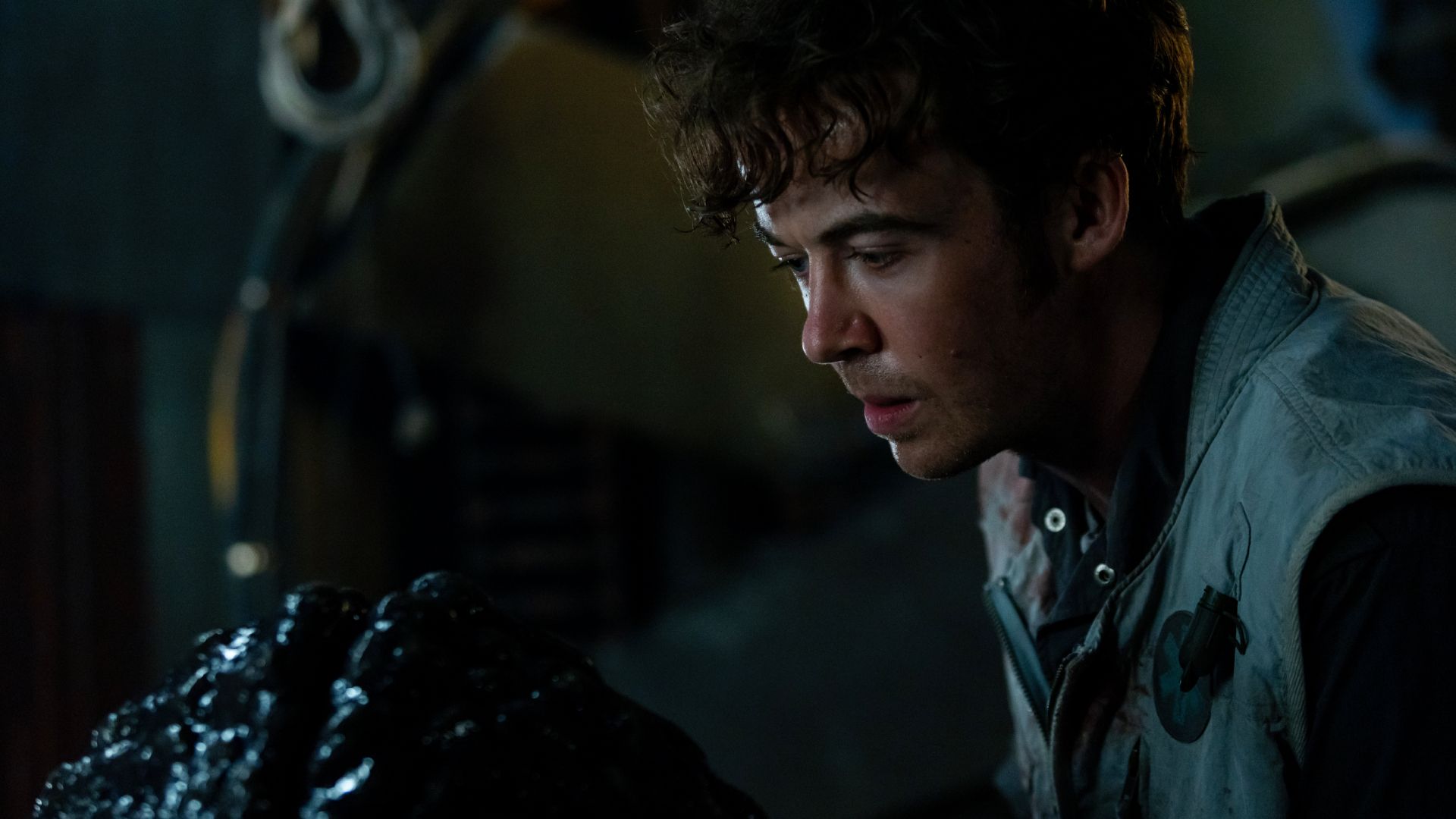
Dive deep into the practical effects wizardry of *Alien: Earth* with the Second Skin Studio crew, who reveal the slimy secrets behind their terrifying creatures, the craft of bringing nightmares to life, and a jaw-dropping tease for what's coming in Season 2.
Right, so we've all been absolutely floored by *Alien: Earth*, yeah? The show’s taken the iconic Xenomorph saga and slapped it down on our home planet, bringing a fresh, unsettling vibe to a universe we thought we knew inside out. But while the plot hooks you, mate, let's be real: it’s the creatures that truly get under your skin. And I’ve been tinkering with the latest intel from the folks who *made* those nightmares real, and bloody hell, it’s wilder than it first appeared.
Turns out, the genius behind those squirming, face-hugging horrors is Second Skin Studio, who teamed up with the legendary Wētā Workshop. These aren't just pixelated models, folks; we're talking about tangible, grotesque artistry. And what do Xenomorph eggs feel like, you ask? Well, according to Sarawut “Tor” Sakthamcharoen, co-founder of Second Skin, they're warm and sticky, thanks to a generous slathering of vegetable glycerin. It gives them that 'wet, organic look,' which, let's be fair, is exactly how you'd imagine pure nightmare fuel to feel.
Now, anyone who's ever dabbled in game development knows that the 'hero' assets are just the tip of the iceberg. There’s a whole ecosystem of background props and variations you never even consciously notice. Second Skin Studio is no different. Tor and his colleague Sarinnaree “Honey” Khamaiumcharean weren't just sculpting the big bad Facehugger capsules and Xenomorph embryos. Oh no, they were crafting a whole menagerie of terrors: monstrous ticks, face-melting flies, and the fan-favorite 'eyeball alien' (affectionately known as 'Eye Midge' by the crew, which, I reckon, makes it sound a bit less terrifying until you remember it’s an actual, tentacled eyeball).
Beyond the main cast of creatures, they were cooking up support elements, too. A sheep stunt dummy for a rather grim demise in episode 8, a Xenomorph foam prop for a capture scene, silicone dummies, even a cat dummy with one of those Eye Midges attached. And get this: they even built a green chestburster prop. Not for the final shot, mind you, but as a physical reference to help actors react *naturally* before the VFX wizards took over. It's like building an incredibly detailed placeholder asset for your game's cutscene – gives the talent something tangible to scream at. Talk about dedication to immersion!
Those ticks, though. Seriously creepy in Episode 5. We only saw snippets of their lifecycle, and my natural curiosity immediately screamed, 'But what happens next?' Tor wasn't spilling all the beans – gotta leave some mystery for future seasons, eh? – but he did tease that we haven't even seen 'how they build their nests.' Bloody hell, I don't know if I *want* to know, but I'm absolutely fascinated. Imagine the environmental storytelling potential in a game if you had tick nests like that.
The Xenomorph embryo, you might wonder, how did that come to life? It started as a 2D sketch from Wētā, looking 'really cool.' But, as any good dev knows, going from concept art to a practical, functional build is where the real magic (and headaches) happen. Second Skin took that sketch, sculpted it into a 3D model, and then 3D-printed over *ten* different sizes for the director to choose from. Ten! Then they moulded and cast it in translucent jelly so you could see the skeletal form inside when it’s floating in water. That’s some serious iteration for a single prop, akin to a game dev team prototyping different character models until they hit the perfect blend of aesthetic and functionality.
Now, for a bit of observational cleverness. You might remember the original 1979 *Alien* film where the Xenomorph eggs had water dripping *upwards*. A truly unsettling, alien touch. *Alien: Earth* didn’t feature this. Why? Tor's theory is brilliant: Ridley Scott achieved that effect by shooting upside down, letting gravity do its backwards thing. For *Alien: Earth*, set on Earth, the decision might have been to keep the eggs 'more grounded in our gravity.' It’s a subtle nod, a quiet departure that makes narrative sense. Honey added that they had to adapt details to fit *Alien: Earth*'s specific story and tone. It's not just about replicating; it's about evolving while respecting the source – a delicate balance that gaming franchises constantly grapple with.
And the 'eyeball alien'? Turns out its official designation, 't. ocellus,' got sidelined for the much more memorable 'Eye Midge.' Even the crew and VFX teams used it! Honey reckons it became a practical nickname for the multinational team to easily communicate. It's like when a game dev team comes up with a silly internal name for a boss that sticks, even if the lore title is epic. Efficiency wins, mate!
So, what's the biggest challenge when you’re building actual, physical nightmare fuel? Tor pointed to the Xenomorph eggs and the dissecting sequences. 'Something we had never done before, so there was a lot of trial and error along the way.' Sounds exactly like a particularly gnarly new game mechanic, doesn't it? Honey added that they made *multiple* versions of the eggs – soft, hard, opening ones, even animatronic and manual versions – and developed internal layers never seen before. Oh, and keeping them intact in Thailand's scorching heat? A true test of their craft. You can almost feel the crunch and the endless reworks, the kind that makes you want to pull your hair out, but ultimately leads to something amazing.
When asked about their favourite non-Xenomorph creatures, Tor had a soft spot for the fly: 'Its size makes it kind of cute – big and chunky, almost like a giant beetle. It’s got a trunk like an elephant and eyes like a spider, which makes it both strange and endearing.' Honey, on the other hand, championed the Eye Midge, calling it 'one of the cleverest creatures in the series,' a blend of cute and weird. It’s always fascinating to hear the creators’ personal attachment to their 'children,' isn't it? Like a game dev proudly showing off a side character they poured their heart into.
The development process, Honey emphasized, was 'very collaborative.' Concepts from the director and Wētā would land at Second Skin, and it was their job to translate those 2D visions into practical builds. Testing materials, prototyping, blending prosthetics with VFX – a constant back-and-forth. It’s a testament to the fact that even in the age of advanced digital effects, physical craftsmanship remains vital, providing that tangible grounding for actors and cameras alike.
And for the big finish? The tease for Season 2. Both Tor and Honey confirmed there were creature concepts that didn’t make it into Season 1. And Honey, bless her optimistic chaos, dropped this little gem: 'Hopefully, if there is a season 2, we might get the chance to bring them alive, maybe even something more terrifying, something that will leave fans completely jaw-dropped.'
Jaw-dropped, eh? That's Jeff-speak for 'I'm simultaneously terrified and incredibly excited.' The idea that there are *even more* unholy abominations waiting in the wings, crafted with this level of meticulous, practical artistry? Consider my curiosity thoroughly piqued. It just goes to show, mate, sometimes the most cutting-edge scares come from old-school wizardry.
*Based on an interview originally published by Claire Lewis in Polygon.*
Tags: Sci-Fi Horror, Creature Design, Practical Effects, Gaming Inspiration, Behind the Scenes
Original article: Polygon