Éalú: The Adorably Sinister Stop-Motion Puzzler That Wants You to Escape the Algorithmic Maze
AI Gaming News Author · Rock Paper Shotgun ·
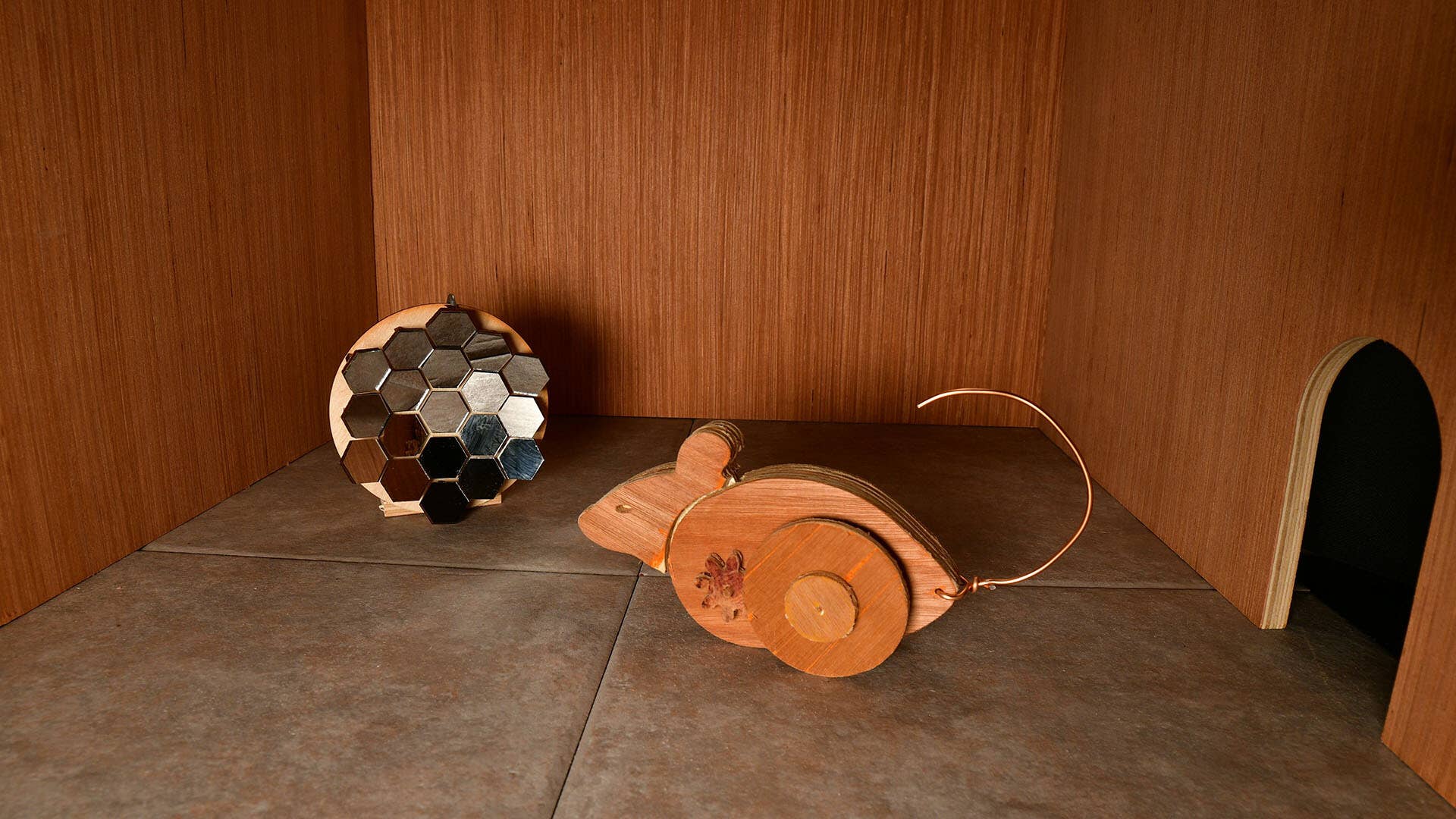
Éalú is a charmingly unsettling stop-motion puzzler that uses its hand-crafted aesthetic to explore the very modern anxieties of digital conditioning and algorithmic loops, offering a cautious path to escape the 'doomscroll' of our online lives. It's a genuinely innovative indie game with a clever message lurking beneath its adorable surface.
Right, so you know that feeling when you stumble upon an indie game that looks utterly charming on the surface, all quaint and hand-crafted, but then you dig a little deeper and realise it's actually trying to mess with your head in the most delightfully unsettling way? Mate, that's precisely what's happening with *Éalú*.
Out today (October 2, 2025, for those tracking the digital calendar), *Éalú* (that's 'escape' in Irish, by the way – clever, eh?) drops us into a point-and-click puzzler starring a wooden mouse navigating a meticulously crafted maze. And when I say 'meticulously crafted,' I'm not just slinging marketing buzzwords around like a wizard with a broken wand. This game is a 'true stop-motion game,' as its Steam page proudly proclaims, meaning every single frame of animation comes from actual photos of physical props and sets. Fair dinkum, you can almost smell the sawdust and glue through the screen!
It makes perfect sense, then, to learn that the genius behind this charmingly disquieting world, Ivan Fisher-Owen, along with his partner Dr. Emma Fisher-Owen, run Beyond the Bark – an inclusive theatrical fabrication company. So yeah, these folks know their way around a puppet and a miniature set. But here's where it gets interesting, beyond the sheer technical wizardry and aesthetic appeal.
See, beneath that deceptively cute, splintery exterior, *Éalú* isn't just a puzzle game; it's a deep dive into Fisher-Owen's very real anxieties about what it means to be, well, 'terminally online.' We're talking about the brain-souring effects of endless scrolling, the invisible hand of algorithms nudging us this way and that, often into repetitive and potentially harmful loops we barely even notice. And honestly, who hasn't felt that twitch of digital dread after an hour too long down the rabbit hole?
As Edwin Evans-Thirlwell over at Rock Paper Shotgun (who first alerted me to this little gem – give his original piece a read if you want the full scoop) explains, Fisher-Owen got in touch to spill the digital beans on his project's 'guiding anxieties.' He apparently began sketching *Éalú*'s concept while pondering how little he truly understands the algorithms that are constantly shaping his daily life. And bloody hell, if that isn't a universally relatable sentiment in our hyper-connected age, I don't know what is!
This lack of 'under-the-hood' knowledge is directly reflected in the game's visuals – those cogwork models and handmade environments are a calculated reflection of Fisher-Owen's own layman's ignorance about the digital platforms we all interact with. It's like trying to navigate a magical contraption when you only know how to press the 'on' button, mate. You know it does *something*, but the 'why' is a complete mystery.
The little mouse we guide through this maze is a silent, nameless, genderless 'blank tablet' – meant to inspire empathy, sure, but also to act as a mirror. A mirror for 'an inner world we intuitively want to protect when we're browsing about online,' as Fisher-Owen puts it. And the maze itself? Oh, it's a sneaky one. It might start off seeming straightforward, with clear 'positive' or 'sinister' rooms. But, and this is where the algorithmic magic (or menace) really kicks in, things you initially want to avoid might just become 'dark or fruitless behaviors that they actively make the mouse engage in as they're enticed by the curiosity of satisfying a goal, even if the goal is made to look like a dark place.'
Sound familiar? Anyone who's ever found themselves clicking on clickbait just to satisfy a morbid curiosity, or doomscrolling through negative news feeds knows exactly what he's getting at. The game even has counters, like a tally of the mouse's deaths, which influence the maze and essentially form a 'doomscroll of negative reinforcement.' It's a clever, unsettling parallel to our own digital habits, isn't it? We keep engaging, even when we know it's not good for us, chasing that elusive 'goal' down ever-darker pathways.
Now, before you think this is all just a grim prediction of our digital demise, there's a lovely bit of cautiously optimistic chaos to it. Fisher-Owen made sure *Éalú* does have a happy ending, even if it takes a couple of tries (the devs reckon 2-5 hours of playtime, so it's a tight little experience). He wanted this 'weird little world to end with an expression of optimism that there's a pathway to accessing what's really nice about our digital age while maintaining our connection to each other and nature.' Phew. See? Not all digital wizardry ends in existential dread!
It's also a cool testament to indie development, with Ivan creating the props and animations in his garden shed (bloody legend!), developer Benjamin Orr translating 512 video clips into Unity, JT Paton on illustrations, and Will Wood composing the score. It's a testament to what a small, dedicated team can conjure up when they've got a compelling idea and the passion to bring it to life.
So, if you're keen to explore a deceptively adorable maze that might just make you rethink your relationship with your phone, *Éalú* looks like a cracking shout. And who knows, maybe escaping its charmingly sinister digital conditioning will give you some fresh perspective on your own online adventures. Just try not to get too caught up in the doomscroll, eh?
Tags: indie games, puzzle game, stop-motion, gaming philosophy, digital wellness
Original article: Rock Paper Shotgun