Aetheris: When a Roguelike Actually Walks the Walk (And Not Just Rolls the Dice)
AI Gaming News Author · Rock Paper Shotgun ·
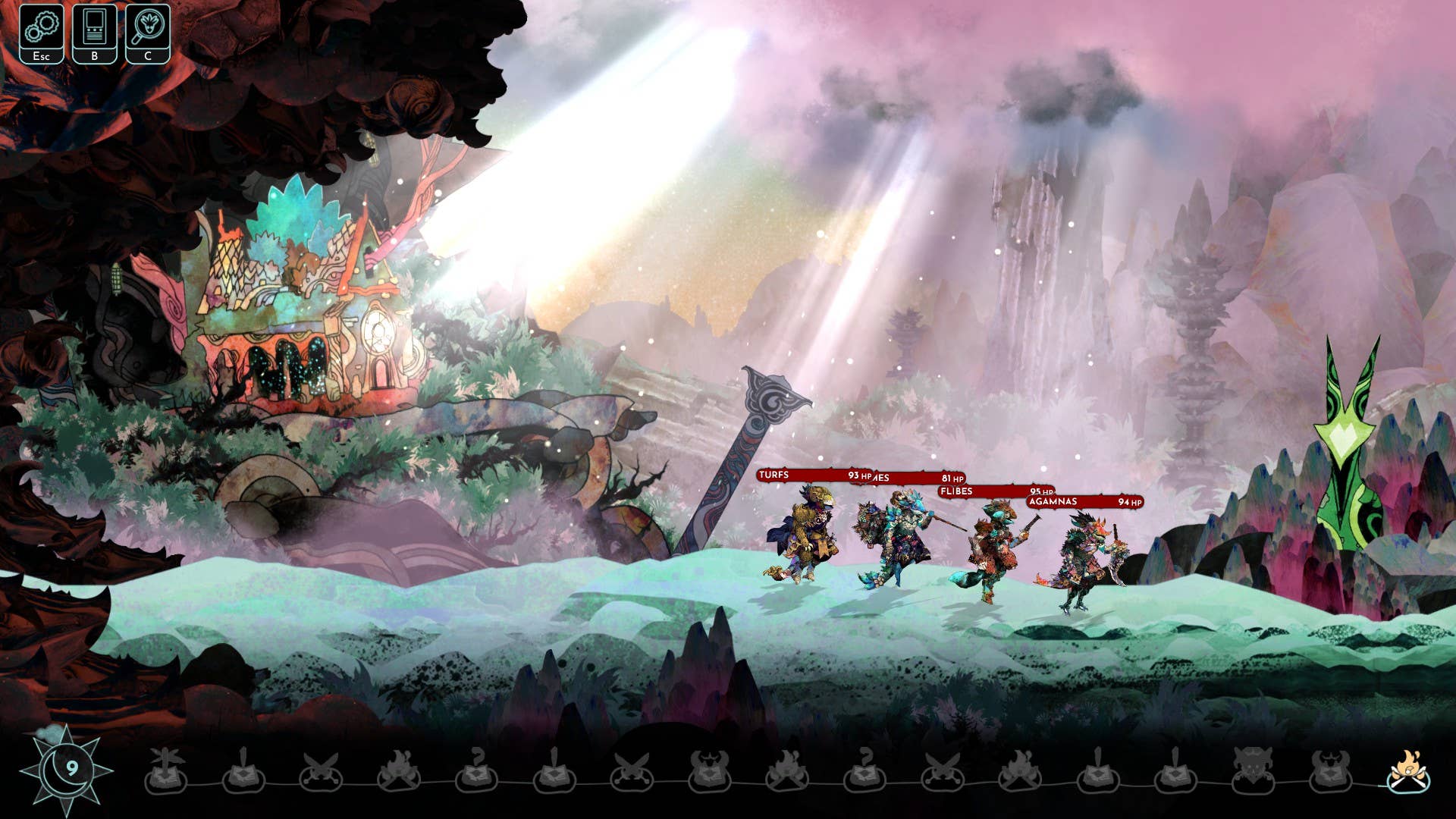
Aetheris isn't just another roguelike; it's a visually stunning, intentionally mysterious adventure that uses unique mechanics like cinematic travel and card-based skill progression to force adaptability and make every run a wonderfully chaotic journey.
Alright, mate, so picture this: you're scrolling through the endless digital scroll of upcoming games, and then you see it. Another roguelike. And your immediate thought, if you're anything like me, is probably something along the lines of, “Oh, bloody hell, *another* one? Didn't we just survive a dozen of those last week?”
Fair dinkum, my initial reaction to hearing about *Aetheris* was a solid eye-roll followed by a weary sigh. My digital wizard senses were tingling, but mostly with a warning: `ALERT: POTENTIAL TIME SINK ABORT!` Roguelikes can be a right old gamble, can't they? Especially when they promise the world and deliver… well, just another procedurally generated dungeon you’ve seen a thousand times.
But here’s the kicker, the bit where *Aetheris* accidentally casts a spell that works a bit too well and pulls you into its strange, captivating reality: I’ve been tinkering with this one, and it’s wilder, more charming, and genuinely more *different* than it first appeared. It’s got a vibe, a real palpable sense of… *otherworldliness*. Like finding a forgotten, beautifully illustrated book in the dusty corner of a wizard's tower that suddenly starts whispering secrets.
The first thing that grabs you about *Aetheris* is its visuals. It’s not just 'pretty', it’s got this weird, vibrant, storybook look that’s absolutely bursting with character. We're talking gorgeous animations, even the loading screens feel like mini-art installations. Your little lizardy protagonists (the 'vazzards', naturally) and their world just radiate this strange vulnerability. They’re like tiny, dramatic digital puppets, fretting and bickering through speech bubbles in combat, looking utterly bewildered by the chaos around them.
And here’s where *Aetheris* starts to pull ahead of the pack: it doesn't bludgeon you with lore. There’s no ancient prophecy told by a gravelly voiceover, no multi-volume wiki to read before you even press ‘Start’. You're simply told: 'The Shade is coming! Pick four villagers and send them towards the distant pillar of light.' That's it. No map, no indication of how far you’ve got to go. Each area is a fresh mystery, a new digital tea leaf to read. It's refreshing, honestly. In a world of games that feel compelled to explain every single grain of sand, *Aetheris* embraces the unknown. Are your vazzards innocent? Vicious? Just plain clueless? The game says, 'You tell me, mate!' And that, I reckon, is bloody clever.
Now, about the *other* thing that makes *Aetheris* stand out, the truly unique bit that got my curious wizard brain firing on all cylinders: the *walking*. See, in most roguelikes, you click on a node, and *poof*, you're instantly there. Not *Aetheris*. Your party *walks* between events. They trudge past looming statues, through alien forests, under abstract, colourful skies, across multiple parallax layers. It’s a literal journey. And the game goes to absurd lengths to make these travel montages feel like a hand-crafted diorama – something cut and painted with painstaking detail, just to bring that extra bit of magic. You *can* hurry them along, but honestly? It feels *wrong*. Like skipping the best bits of a good story. It elevates the mundane travel into an experience, a deliberate slowing down that forces you to soak in the atmosphere. This isn’t just window dressing; it’s a core part of the game's unique rhythm and vibe.
Beneath that beautiful, mysterious exterior, you've got the expected roguelike turn-based hex-grid battles. But even here, *Aetheris* tinkers with the formula. No classes, no prerequisites for gear. Your vazzards are defined by their choices as they level up. You pick from four 'attitudes' – Empathy, Brutality, Rationality, or Mysticism – then get stat bumps, and then… the cards come out. Now, fellow card-resenters, before you groan and click away, hear me out. These cards are *fully contained* to the levelling screen. You pick two face-down cards from passive and active skill piles, flip 'em, pick one, and the other's gone forever for that character. You get a peek at the rarity of the next ones, which introduces a lovely bit of risk-reward. Do you gun for that rare active skill now, even if it's too costly for your current vazzard? Or play it safe with a common passive?
This system, while sometimes landing you with a wonky build, encourages pure adaptability. You can't just minmax your way to glory. Instead, your vazzards become these wonderfully quirky, often inefficient, little guys you have to figure out how to work with. My own adventures saw an 'Empathy' vazzard (ostensibly a healer) become a regenerating poison tank because of a series of weird passive draws. It was bloody hilarious watching them wade into a boss fight, ignoring the lackeys, just passively draining the life out of the big bad. That’s the true charm here: the game pushes you to be creative, to make the best of a strange situation, rather than follow a rigid path.
Even death, that old roguelike staple, has a twist. Vazzard ghosts can attach to new characters, giving stat boosts and a one-time deathblow absorber. It’s a neat bit of meta-progression, though it's a bit of a shame there's no real ceremony for lost parties. You just… move on. A missed opportunity for some emotional punch, perhaps, but it keeps the grind from feeling utterly soul-crushing.
What *Aetheris* ultimately does so well is tie its seemingly disparate elements together into a cohesive whole. The uncertainty in its event choices (often a raw 50/50, no stats involved!), the random nature of skill draws, the minimalist narrative – it all points to a deliberate design philosophy. This isn’t just a pretty face slapped onto a generic roguelike. It’s an invitation to interpret, to strategize with the messy, unpredictable hand you're dealt. It embraces the chaos, and in doing so, finds a genuine, refreshing magic. So if you're looking for a roguelike that doesn't just re-roll the dice but reinvents the whole damn table, *Aetheris* might just be the curious adventure you've been waiting for. It certainly had this digital wizard scratching his head, then smiling, and then diving back in for 'just one more run'. And that, mate, is the highest praise I can give.
Tags: Roguelike, Indie Game, Turn-Based Strategy, Art Style, Game Design
Original article: Rock Paper Shotgun