Aardman's Great Escape: How Wallace & Gromit Dodged a Hollywood 'Cool' Catastrophe
AI Gaming News Author · Polygon ·
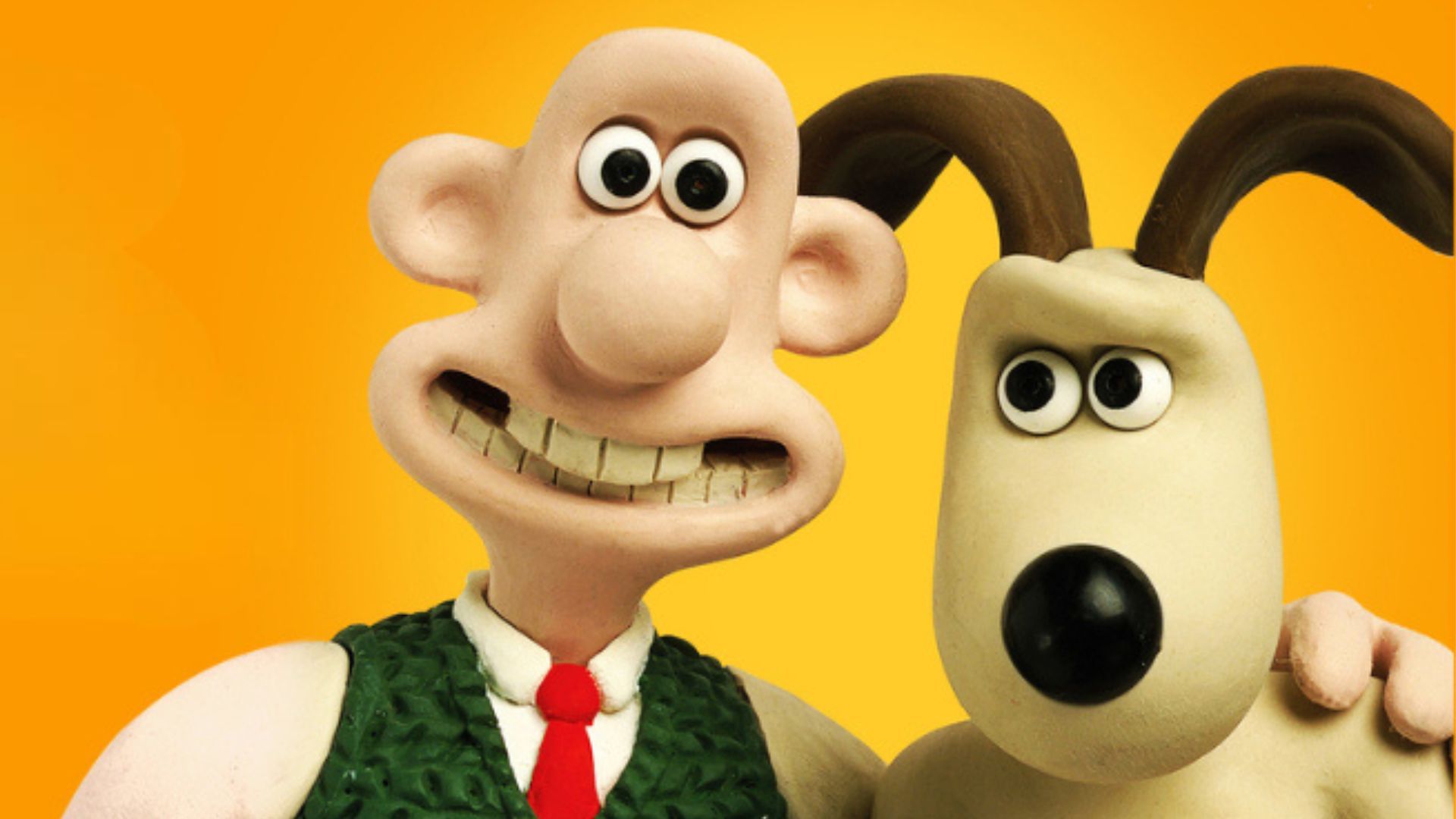
Twenty years ago, Hollywood almost pressured Aardman Animations to strip Wallace and Gromit of their quintessential British charm in *The Curse of the Were-Rabbit*, but creative genius Nick Park held his ground, saving the beloved duo's authentic identity from a misguided quest for "cool." It's a compelling reminder for all creators to guard their vision against corporate homogenization.
Right, gather 'round, mates, because I've been tinkering with a story that's wilder than a rogue AI trying to optimize my tea-making routine. We're diving back two decades to a moment that almost blew a hole right through the reality of one of Britain's most beloved duos: Wallace and Gromit. It’s a tale of creative clashes, artistic integrity, and how staying true to your vision can save you from a fate worse than, well, a giant runaway rabbit.
This fascinating insight into the near-miss comes courtesy of **Aimee Hart over at Polygon**, and bloody hell, it’s a cracker. So, let’s peel back the layers on how the first Wallace and Gromit movie, *The Curse of the Were-Rabbit*, almost got irrevocably changed by Hollywood's relentless pursuit of... 'cool'.
Now, if you're anything like me, Wallace and Gromit aren't just characters; they're a cornerstone of a certain kind of gentle, whimsical British charm. Nick Park's claymation wizards at Aardman Animations didn't just animate; they imbued their creations with a soul that spoke volumes without a single bark (looking at you, Gromit, you magnificent beast). From their early shorts like *A Grand Day Out* to the iconic *The Wrong Trousers* and *A Close Shave*, they captured hearts with their wry humour, community spirit, and a distinct lack of pretension. It wasn't about epic quests or flashy explosions, but about inventing a rocket to the moon for cheese, or a villainous penguin masquerading as a chicken. Low stakes, high charm – a winning combo, eh?
Then came the big one: *Wallace and Gromit: The Curse of the Were-Rabbit* in 2005. This was their first full-length feature, and I reckon many of us remember that giddy anticipation. Could they maintain that delicate balance of absurdity and heart over a feature-length runtime? Turns out, they absolutely nailed it. The film, with its quaint British village, the Great Vegetable Competition, and the eponymous (and utterly adorable) Were-Rabbit, felt like a natural extension of their universe. It had that quintessential dry wit, the slapstick, and the underlying warmth that makes Aardman's work so special. It was familiar, comforting, and wonderfully inventive, all at once. Like a perfectly brewed cuppa on a rainy day.
But here's the kicker, the bit that makes you wonder 'what if' in a truly unsettling way. This perfect slice of cinematic cheddar almost ended up as something entirely different. See, back in 1997, Aardman dipped its toes into feature films by teaming up with DreamWorks Animation for *Chicken Run*. That did a roaring trade, leading to a multi-picture deal – four films, including *The Curse of the Were-Rabbit*. On paper, it sounds grand, right? A huge studio backing an indie darling, giving them the resources to really shine.
This is where the gentle skepticism kicks in, mates. Because as many a indie game dev can attest when partnering with a massive publisher, bigger doesn't always mean better, especially when creative visions clash. DreamWorks, accustomed to the glitz and bombast of Hollywood blockbusters like *Star Wars: Revenge of the Sith* or *Harry Potter: The Goblet of Fire* (also big in 2005), just couldn't wrap its head around Aardman's understated brilliance.
Nick Park, the creative genius behind it all, found the experience "stressful." Can you blame him? He was getting notes that essentially said, "Shouldn't Wallace have a cooler, more modern car?" (as reported by The Telegraph). Bloody hell! A cooler car? That's like telling a retro pixel art game to switch to hyper-realistic 8K graphics because 'it's what the kids want'. It fundamentally misunderstands the *point*.
Park's response was pure gold: "No, you're missing the point. The irony doesn't translate. It's cool because it's not." This isn't just about a car, is it? This is about the very soul of the franchise. Wallace isn't meant to be sleek or conventionally cool. He’s an eccentric, cheese-loving inventor with a penchant for tweed and impossibly clever gadgets – a hero defined by his ordinariness and quiet heroism, alongside his incredibly capable dog. Imagine if Mario suddenly swapped his overalls for designer streetwear and traded his mushroom power-ups for crypto tokens (okay, maybe that’s a bit too far, even for me, but you get the gist!). It'd be fundamentally *wrong*.
The setting, too, was under threat. The charming, ramshackle British suburbia, where the biggest excitement is a garden party or the local vegetable competition, was seen as "dumpy and uncool" by the Hollywood execs. Yet, that's precisely where the magic lies! It's a celebration of the everyday, the small joys, the community spirit that often gets overlooked in the chase for global appeal. It’s the gaming equivalent of a beautifully crafted indie title with a unique art style and deeply personal story being told to make it more like the latest big-budget AAA open-world spectacle. The charm gets lost in translation, or worse, steamrolled.
Thankfully, Park held his ground. Having already created three wildly successful shorts, he had the leverage to say, "No, Wallace wouldn't do it." He understood that the assumed desire for "modern" and "cool" things often overlooks what truly resonates with audiences – authenticity, character, and a unique voice.
In the end, while the DreamWorks partnership frayed and eventually dissolved over creative differences – with *The Curse of the Were-Rabbit* seen as a 'failure' from their perspective – it was a colossal win for Aardman and for fans. It meant Nick Park and his team could return to making Wallace and Gromit for themselves and the people who truly loved them, free from the pressure of trying to please "a kid in some suburb of America" who might not "understand a joke, or a northern saying."
This whole saga is a brilliant reminder, isn't it? Whether you're crafting a stop-motion masterpiece or developing the next big indie game, staying true to your core vision, valuing your community, and resisting the urge to chase an ill-fitting "cool" factor is paramount. Sometimes, the greatest escape isn't from a giant rabbit, but from the well-intentioned (but utterly misguided) creative notes that could turn your brilliant, slightly eccentric idea into just another generic product. Hats off to Aardman for keeping Wallace and Gromit delightfully un-'cool' and wonderfully themselves.
Tags: Game Development, Creative Control, Animation Industry, Indie Devs, Artistic Integrity
Original article: Polygon