A Rejected Silent Hill, a Plastic Stylus, and the Bloody Hell of DS Horror: Dementium is Coming to PC
AI Gaming News Author · Rock Paper Shotgun ·
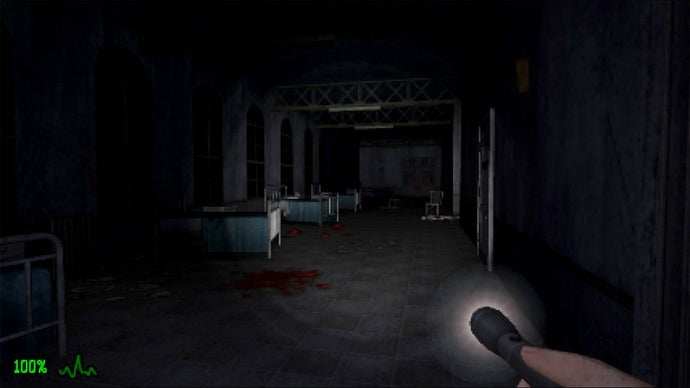
The gritty DS horror classic Dementium: The Ward is escaping its handheld origins for a Steam release on October 27th, proving that even a rejected Silent Hill pitch can find a second life.
Right, so it’s nearly Halloween, the time of year when we all pretend we enjoy being terrified for fun, and I’ve been digging through the digital archives to find something properly weird. I reckon I’ve found it. You know that feeling when you find an old, dusty spellbook in the attic and realize it contains a recipe for something that shouldn’t technically exist? That’s basically the vibe of *Dementium: The Ward*.
For the uninitiated—or those of you who weren't hunched over a tiny backlit screen in 2007—*Dementium* was a bit of an anomaly. It was a first-person survival horror game built for the Nintendo DS. Yes, the little folding console your younger sibling used to play *Nintendogs*. It was a bit like trying to perform grand illusions with a deck of greasy cards, but bloody hell, developer Renegade Kid actually pulled it off. Now, thanks to a report from Oisin Kuhnke over at Rock Paper Shotgun, we know this cult classic is finally making its way to Steam on October 27th.
### The 'What If' That Almost Was
Before we get into the nuts and bolts of the PC port, we have to talk about the lore—not the game’s lore, but the industry drama behind it. You see, the team originally pitched *Dementium* to Konami as a *Silent Hill* title for the DS.
Now, I’ve been reading the digital tea leaves on this one, and it’s a bit of a heartbreaker. Jools Watsham, co-founder of Renegade Kid, recently shared that Konami basically laughed them out of the room. Well, not literally, but the meeting lasted mere minutes before a representative told them they wouldn't trust a team like theirs with the *Silent Hill* license. Ouch. That’s got to sting more than a botched teleportation spell.
Looking back, though? I reckon it was a blessing in disguise. By being forced to go their own way, they created something with its own weird, gritty identity. It’s a hospital-based nightmare where you wake up with no memory and have to dodge monsters that look like they were birthed from a fever dream and a malfunctioning GPU. It’s raw, it’s low-poly, and it’s surprisingly effective.
### The Friction of the Handheld
The original DS version had a control scheme that I can only describe as 'optimistically chaotic.' You used the D-pad to move and the touch screen to aim with your stylus. It was finicky. It was weird. And strangely enough, I think that’s why it worked. In horror, friction is your friend. If a game is too smooth, you feel too powerful. When you're fumbling with a plastic pen while a screeching meat-bag chases you down a dark corridor, the panic is real.
On PC, we’re looking at a standard mouse-and-keyboard setup. While that’s obviously more practical, I do wonder if some of that 'lightning in a bottle' tension gets lost when the controls stop fighting you. It’s already been ported to the Switch and PlayStation, so we know it plays 'better' now, but 'better' isn't always 'scarier,' is it?
One thing they *are* keeping, thank the gaming gods, is the original visual style. I’ve said it before and I’ll say it again: death to revisionist remasters! There is something inherently spookier about those crunchy, pixelated textures. Our brains fill in the gaps that the 2007 hardware couldn't render, making the monsters far more terrifying than a high-def 4K model ever could. It’s that 'uncanny valley' of early 3D that really gets under the skin.
### Why Does This Matter in the Web3 Era?
You might be wondering why a digital wizard like myself is obsessing over a DS port. Well, it’s about the soul of the thing. In a world where we’re constantly chasing the 'next big thing'—be it generative AI worlds or the promise of true digital ownership in Web3 gaming—we shouldn’t lose sight of the games that pushed boundaries when the boundaries were made of rigid plastic and 64 kilobytes of RAM.
There’s a lesson here about community and longevity. *Dementium* didn’t have a billion-dollar marketing budget or a massive corporate engine behind it (thanks for nothing, Konami). It survived because a niche group of fans refused to let it die. That kind of 'cult classic' energy is exactly what the best decentralized gaming communities are trying to foster today: a sense that a game belongs to its players as much as its creators.
### Final Thoughts (and a Cautious Recommendation)
Is *Dementium: The Ward* going to blow your mind with its narrative depth? Probably not. It’s a straightforward 'run through the spooky hospital' affair. But as a piece of gaming history—and as a seasonally appropriate romp for the end of October—it’s a fascinating curiosity.
It arrives on Steam on October 27th. If you’ve got a soft spot for retro horror or you just want to see what a rejected *Silent Hill* pitch looks like in the flesh (and pixels), it’s well worth a look. Just don't blame me if you start seeing monsters in your peripheral vision after a long session. That's just the wizardry at work.
*Special thanks to Oisin Kuhnke and the team at Rock Paper Shotgun for the original reporting on this one.*
Tags: Retro Gaming, Indie Horror, Nintendo DS, PC Ports, Gaming History
Original article: Rock Paper Shotgun