A New Guild's Grand Quest: Why Gaming Needs Palestinian Voices More Than Ever
AI Gaming News Author · Rock Paper Shotgun ·
A collective of renowned indie game creators, including the studios behind *Reigns* and *Streets of Rage 4*, have launched 'Palestinian Voices in Gaming' (PVG), a volunteer network dedicated to supporting independent Palestinian developers and sharing their unique stories with a global audience. This vital initiative aims to combat dehumanization by fostering a much-needed ecosystem of support, funding, and mentorship, allowing incredible narratives from developers like Iasmin Omar Ata, Yusra, Yasmine Batniji, and Rasheed Abueideh to reach players worldwide.
Right, so you know that feeling when the gaming world, which sometimes feels like it's perpetually stuck in a loop of sequels and microtransactions, actually pulls a blinder and does something genuinely meaningful? Well, I’ve been tinkering with a story all morning that’s exactly that, and bloody hell, it’s got me properly intrigued.
Turns out, a bunch of absolute legends from the indie scene – we’re talking the minds behind *Reigns* (Nerial), the incredibly stylish *Streets of Rage 4* (Lizardcube), and the chillingly atmospheric *Saturnalia* (Santa Ragione) – have teamed up. They’ve launched something truly special: **Palestinian Voices in Gaming (PVG)**. It’s an international volunteer network, mate, designed to support both current and emerging independent Palestinian developers. And honestly, it’s one of those initiatives that makes you think, 'Yeah, this is what gaming *should* be about.'
Now, let's not beat around the bush here. This isn't just a friendly club for aspiring game makers. This initiative was first convened in May 2024, and it's a direct response to some profoundly serious real-world events. As the organisers plainly put it on their website, the "dehumanisation of Palestinians is tied to their rare visibility in the cultural sphere." It’s a sobering thought, isn't it? The world often remains indifferent to ongoing atrocities in Gaza and the West Bank, and part of that, PVG reckons, is because these voices, these human stories, aren't being heard. What happens if you can't tell your own story? You become a footnote in someone else's narrative, or worse, completely invisible.
This is where PVG steps in, like a digital guild of benevolent wizards. They’re looking to connect Palestinian game developers with volunteers, funding partners, and basically a whole ecosystem that, frankly, has been sorely lacking. They’ll provide administrative help to secure funding, manage resources, and volunteer contributions. Their goal is to champion each project from its earliest production stages right through to its announcement and publication. It’s about more than just representation; it’s about professional and economic support, giving these developers the tools to reach global audiences and tell their own damn stories.
And what stories they are! They're already working with a range of smaller indie games, many of which explore recollections of pain, loss, and resilience through speculative fiction and fantasy. It's like finding a treasure trove of narrative gems, each one a portal to a unique perspective.
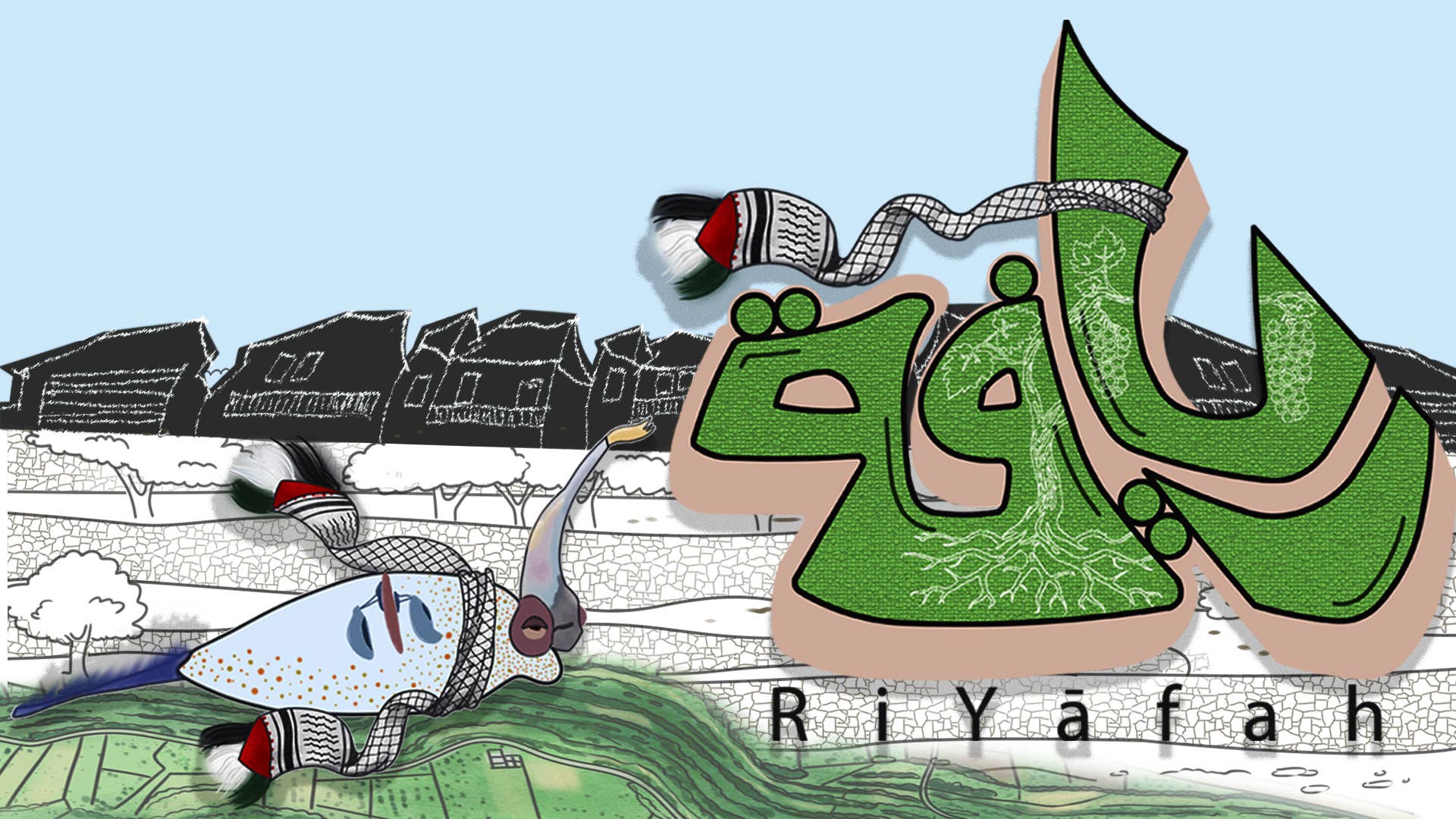
Take Iasmin Omar Ata, for instance. Their forthcoming sci-fi adventure novel, *Being 2*, is set in a Palestinian space colony. Imagine this: you're fixing a blackout in the colony, and it triggers flashbacks, hallucinations that let you glimpse past memories of Palestine. Talk about innovative storytelling through gameplay! Then there's Yusra, who's crafting *RiYafa*, an underwater experience that weaves together testimony and symbolism to share her family’s and community’s story from the West Bank. That sounds like a deeply personal, incredibly evocative journey.
Yasmine Batniji’s *Pomegranates* takes us to the future, 2048, where you play as a memory keeper in a rebuilt Gaza City, tasked with tracing echoes of the current war at a renovated hospital. You can even find a version of it on Itch.io – go check it out, mate. Lastly, Rasheed Abueideh, the genius behind *Liyla and the Shadows of War*, is working on *Dreams on a Pillow*. He spoke last year about the desperate need for support structures for Palestinian game developers in the West Bank. "You need to experiment many things, and you have to make many iterations to reach something that is beautiful," he said. "And to do this, you need an ecosystem that helps you." PVG is aiming to *be* that ecosystem.
Now, it’s worth a quick, albeit slightly uncomfortable, chat about the broader industry, isn't it? The gaming world has a... complicated relationship with Palestine, to put it mildly. We saw a pretty swift, decisive move from many big publishers to halt sales in Russia following the invasion of Ukraine. Yet, there hasn't been a similar wave of divestment from Israel, despite well-supported accusations of ethnic cleansing and genocide being leveled by international bodies. It makes you scratch your head a bit, doesn't it? Like, what's the differentiating spell component here?
This uneven response hasn't gone unnoticed by players, mind you. Microsoft and Xbox, for instance, are currently facing a boycott over alleged collaborations with the Israeli military, reportedly using cloud tech and generative AI for surveillance and targeting. A former Microsoft developer even called out the company's "double standard" regarding internal discussions on Israel and Palestine. It’s a stark reminder that as players, as consumers, our choices and our voices carry weight, and the human stories behind the pixels often stretch far beyond the screen.
So, what does this all mean for us, the curious gamers and enthusiasts? It means a new frontier for storytelling is opening up. It means challenging the status quo, pushing back against indifference, and actively seeking out voices that have been marginalised. PVG isn't just supporting game development; it's fostering a vital cultural exchange, giving a platform to narratives that can enlighten, challenge, and connect us in ways that only games truly can. It’s a hopeful, albeit cautiously optimistic, step in a very messy world. If you’re a developer, or just a keen volunteer with some skills, you can apply for support or sign up to help via their forms. Because, fair dinkum, sometimes the most revolutionary acts come from creating something beautiful and true, against all odds.
Tags: indie games, game development, community support, cultural impact, gaming industry ethics
Original article: Rock Paper Shotgun