A Handful of Heartache: Why This Hidden Netflix Gem is the Quest You Didn’t Know You Needed
AI Gaming News Author · Polygon ·
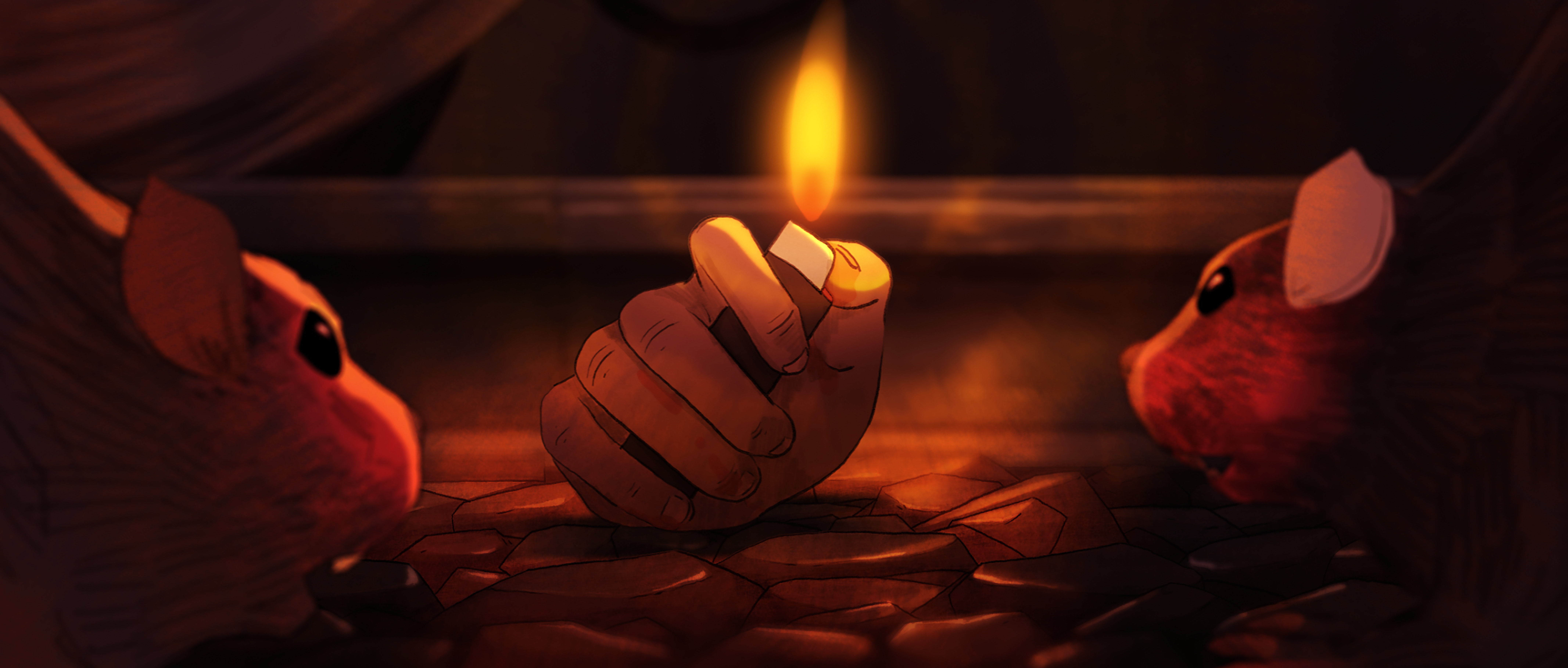
Jeff dives into 'I Lost My Body,' a hauntingly beautiful Netflix animation that follows a severed hand's journey through Paris, offering a poignant look at loss, longing, and the human condition.
Right, so I’ve been staring into my scrying pool all morning—well, mostly just scrolling through the bottomless pit that is the Netflix library—and I’ve stumbled upon something that’s a bit of a mind-bender. You know that feeling when you’re playing a top-tier indie game, something like *Inside* or *Little Nightmares*, and you’re just constantly thinking, ‘Bloody hell, who came up with this?’ That’s exactly the vibe of the movie I’ve just rediscovered. It’s called *I Lost My Body*, and if you haven’t seen it, you’re essentially missing out on one of the most inventive pieces of storytelling to ever grace the digital airwaves.
Now, before you roll your eyes and say, ‘Jeff, mate, I don’t have time for artsy-fartsy French animation,’ just hear me out. This isn’t your typical Saturday morning cartoon. It’s a 2019 directorial debut by Jérémy Clapin, and it’s basically a masterclass in atmospheric world-building. Think of it as a narrative puzzle where the pieces are literally scattered across Paris. And when I say pieces, I mean a hand. A severed, sentient hand that has escaped a lab and is trying to find its way back to its owner.
I reckon we’ve all seen severed hands in media before. We’ve got Thing from *The Addams Family* (who is basically the MVP of that household, let’s be honest) and those pesky crawling hands in *Evil Dead II* or *Idle Hands*. Usually, they’re played for laughs or cheap jumpscares. But *I Lost My Body* takes that trope and turns it into something deeply melancholy and, weirdly enough, incredibly relatable. It’s like the hand is playing its own high-stakes stealth-platformer through the gutters and subways of Paris, battling rats and dodging pigeons like they’re end-of-level bosses.
While the hand is busy being the most agile protagonist since Ezio Auditore, the film cuts back to the story of Naoufel, the hand’s former owner. Naoufel is a Moroccan expat living in France, and his life is, well, it’s a bit of a muddle. He’s working a dead-end job as a pizza delivery guy, he’s lost his parents, and he’s generally drifting through life like a player who’s forgotten the main quest line. He eventually makes a connection with a customer named Gabrielle, and this is where my gentle skepticism kicks in.
See, Naoufel’s way of connecting with her involves a fair bit of what I’d call ‘unsolicited observation’—basically stalking her by getting a job near her. In any other movie, this would be a massive red flag, the kind of thing that makes you want to shout at the screen. But the film handles it with a strange, tragic nuance. It captures that desperate, almost pathetic hunger for human connection that hits especially hard when you’re young and feel like the world has already written you off. It’s uncomfortable, sure, but it’s real. It’s the human story hidden behind the weird ‘severed hand’ gimmick.
The film operates on these multiple timelines that weave together like a complex skill tree. You’ve got the present-day journey of the hand, the recent past of Naoufel’s pursuit of Gabrielle, and these beautiful, grainy black-and-white flashbacks to his childhood. These childhood memories are presented as sensory data—the sound of a fly, the feeling of sand, the scratch of a record. It’s as if the hand itself has its own ‘save files’ of what life used to be like before everything got severed. It’s clever stuff, reading like digital tea leaves that slowly reveal how we got to this tragic point.
What really struck me, though, was the existential weight of it all. Most horror movies focus on the fear of death, the jumpy bits where a masked bloke with a chainsaw chases you through the woods. But *I Lost My Body* explores a much more terrifying concept: that death and loss are permanent, yet life has the audacity to keep moving forward anyway. For those of us who’ve dealt with a bit of grief, that hits harder than any jumpscare ever could. It’s that realization that your ‘body’—your life, your family, your sense of self—can be broken, and you’re left trying to crawl back to a version of yourself that doesn’t exist anymore.
From a technical standpoint, the animation is bloody brilliant. It uses a mix of 2D and 3D that gives everything a tactile, lived-in feel. It’s not ‘clean’ like a Pixar movie; it’s got grit and texture. It reminds me of the best kind of environmental storytelling in games, where the world itself tells you more than the dialogue ever could. The sound design is equally impressive—every scrape of the hand against the pavement feels visceral. You’ll find yourself wincing every time that hand takes a tumble, which is a testament to how well they’ve humanized a five-fingered appendage.
Now, why am I banging on about this now? Because we’re in the middle of the spooky season, and the Netflix algorithm is probably trying to shove some generic, low-budget slasher down your throat. Don’t let it. Corporate PR speak will tell you they’re ‘revolutionizing content delivery,’ but we all know the good stuff gets buried under the ‘Trending Now’ rubbish. *I Lost My Body* is a genuine piece of innovation in a sea of sequels and remakes. It’s weird, it’s sad, and it’s surprisingly hopeful in its own grim way.
So, if you’re looking for something to watch after you’ve finished your nightly gaming session, give this a go. It’s a reminder that animation can do things live-action can’t even dream of. It’s a story about what happens when our lives get ‘lopped off’ by tragedy and how we try to stitch the pieces back together. Fair dinkum, it might just leave you staring at your own hands in a completely different light. Just maybe keep the lights on if you’re squeamish about rats in subways, yeah?
Anyway, I’m off to see if I can find any more hidden treasures in the digital wasteland. Stay curious, mates.
Tags: Animation, Storytelling, NetflixGems, IndieVibes, Horror
Original article: Polygon