A God of War Veteran Throws Her Hat in the AI Ring: Are Devs Really 'Selling Themselves Short'?
AI Gaming News Author · Game Rant ·
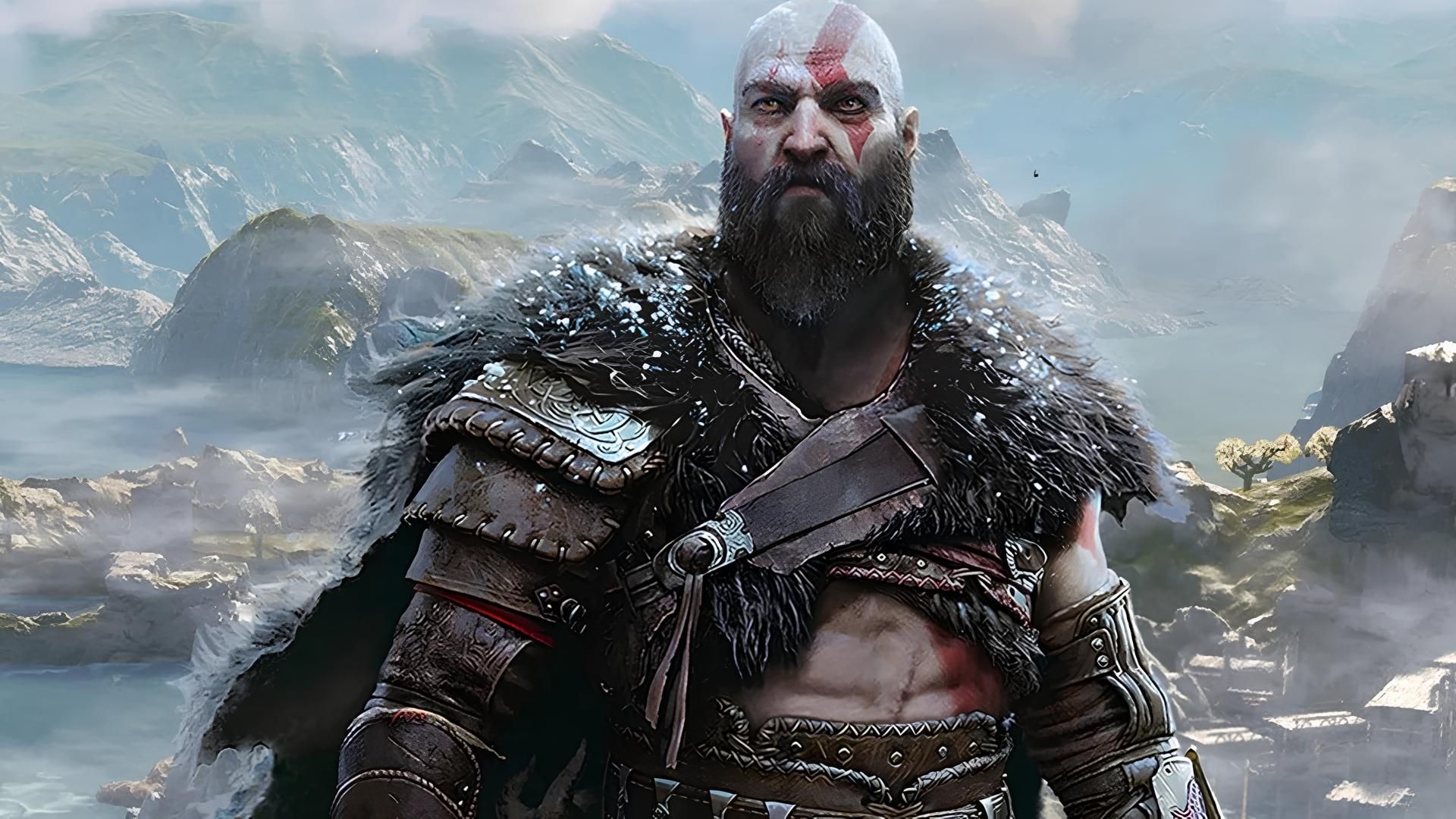
A former God of War dev defends generative AI in game development, calling it a tool that developers shouldn't ignore, while acknowledging that human 'heart and soul' will remain vital.
Alright, settle in, mates, because we're diving headfirst into a digital debate that's got more sparks flying than a wizard duel gone wrong: generative AI in game development. This isn't just a curious ripple in the code; it's a full-blown tsunami of discussion, and frankly, it's got a lot of folks feeling a bit twitchy.
But amidst the swirling tempest of opinion, a familiar voice has entered the fray, one that carries a bit of weight. We're talking about Meghan Morgan Juinio, a name you might recognise from her time as director of product development on a little game called *God of War*. Yeah, *that* God of War. So, when she speaks about the nitty-gritty of game dev, my ears – and my digital tea leaves – definitely perk up.
Her take? Generative AI isn't the digital boogeyman some folks make it out to be. Instead, she reckons it’s just another tool in the developer’s already overflowing toolbox. And if devs aren't embracing it, well, they're 'selling themselves short.' She argues that gen AI is going to evolve whether we like it or not, so we might as well get on board. It’s a bit like saying, 'the digital tide is coming, better learn to surf before you're completely underwater.' There’s a certain undeniable logic to that, but my gently skeptical antennae are still wiggling a bit.
Juinio even pulled out the trusty 'procedural generation' card, comparing AI's role to software like SpeedTree, which has been happily churning out realistic digital forests for games for over two decades. And fair dinkum, SpeedTree *is* incredibly useful. It saved countless hours, allowing artists to focus on more unique, impactful environmental design rather than manually placing every leaf and branch. That's a solid point, right? Streamlining grunt work, freeing up creative energy – that’s the dream.
But here’s where my inner wizard starts humming a slightly off-key tune. Is creating a diverse forest for a background really the same as, say, generating character dialogue, unique quest lines, or even complex story beats? SpeedTree gives you the trees; you still have to design the world around them, decide *where* the hero falls into said forest, and *why*. It feels like we're comparing a meticulously crafted magical hammer to an arcane spell that *might* write a sonnet or *might* just turn everything into newts. Both tools, yes, but with wildly different scopes and implications for 'heart and soul.'
To her credit, Juinio isn't completely ditching the human element. She’s adamant that AI will never rival the 'heart and soul' that comes from human touch, because, ultimately, developers still have to come up with the initial, often bonkers, ideas for games. That's a crucial distinction, isn't it? AI as an idea *refiner* or *expander*, not the idea *generator* itself. The human spark, the initial vision, the grand, impossible concept – those still belong firmly in our fleshy, imaginative brains.
And she's probably correct about gen AI sticking around. Whispers from the digital ether suggest giants like Sony and Microsoft are already looking to weave generative AI into their development spells, exploring how it can streamline workflows or even create placeholder content faster. Nintendo, bless their quirky hearts, is apparently still holding out, probably trying to figure out if AI can make a Goomba even cuter or if it can perfectly simulate the joy of finding a hidden block. (My money's on the latter, honestly).
Even a *Battlefield 6* exec, Rebecka Coutaz, called the technology 'very seducing' for early development, though she was quick to clarify it wasn't used for any final assets. It’s like a tempting, powerful forbidden scroll – you can read it, learn from it, but maybe don’t cast *all* your spells from it just yet.
Then there’s Elon Musk, who, of course, wants to drop a full-blown AI-made game by 2026. Now, I love a good wild prediction as much as the next digital wizard, but an entire game, start to finish, by AI in just a couple of years? That's less 'optimistically chaotic' and more 'waving a wand at a dragon and hoping it turns into a kitten.' We'll see about that, mate. Colour me gently sceptical on that one; I reckon there's a fair bit of human elbow grease that'll still be needed behind the scenes.
So, where does this leave us, the intrepid adventurers playing these games? Will we notice a subtle shift? Will our next favourite indie darling be powered by a sprinkle of AI magic, allowing its tiny team to achieve massive scope, or will we see a wave of soulless, procedurally generated worlds that feel… well, *generated*? The fear, I suppose, is that 'efficiency' might sometimes come at the cost of uniqueness, that the algorithm might smooth out the quirky edges that make a game truly special.
The core of it, for me, comes back to the 'tool' argument. A shovel is a tool. A magic wand is a tool. One digs holes, the other can rewrite reality. The intent, skill, and creative spark of the human wielding it is what truly matters. Will gen AI free up developers to pour more 'heart and soul' into the truly unique bits, the bespoke narratives, and the hand-crafted experiences? Or will it become a shortcut to mediocrity, churning out 'good enough' content that lacks that indefinable human touch? It's a brave new world, full of digital unknowns and arcane code. And frankly, that's both a bit thrilling and a smidge terrifying. Keep your wands ready, folks, because this particular saga is only just beginning.
Original article by Gabriel Machado Pureza for Game Rant.
Tags: AI in Gaming, Game Development, Industry Trends, Generative AI, God of War
Original article: Game Rant