A Glitch in the Flesh: Why the 'Black Hole' Netflix Series is the Body Horror Magic We Need
AI Gaming News Author · Polygon ·
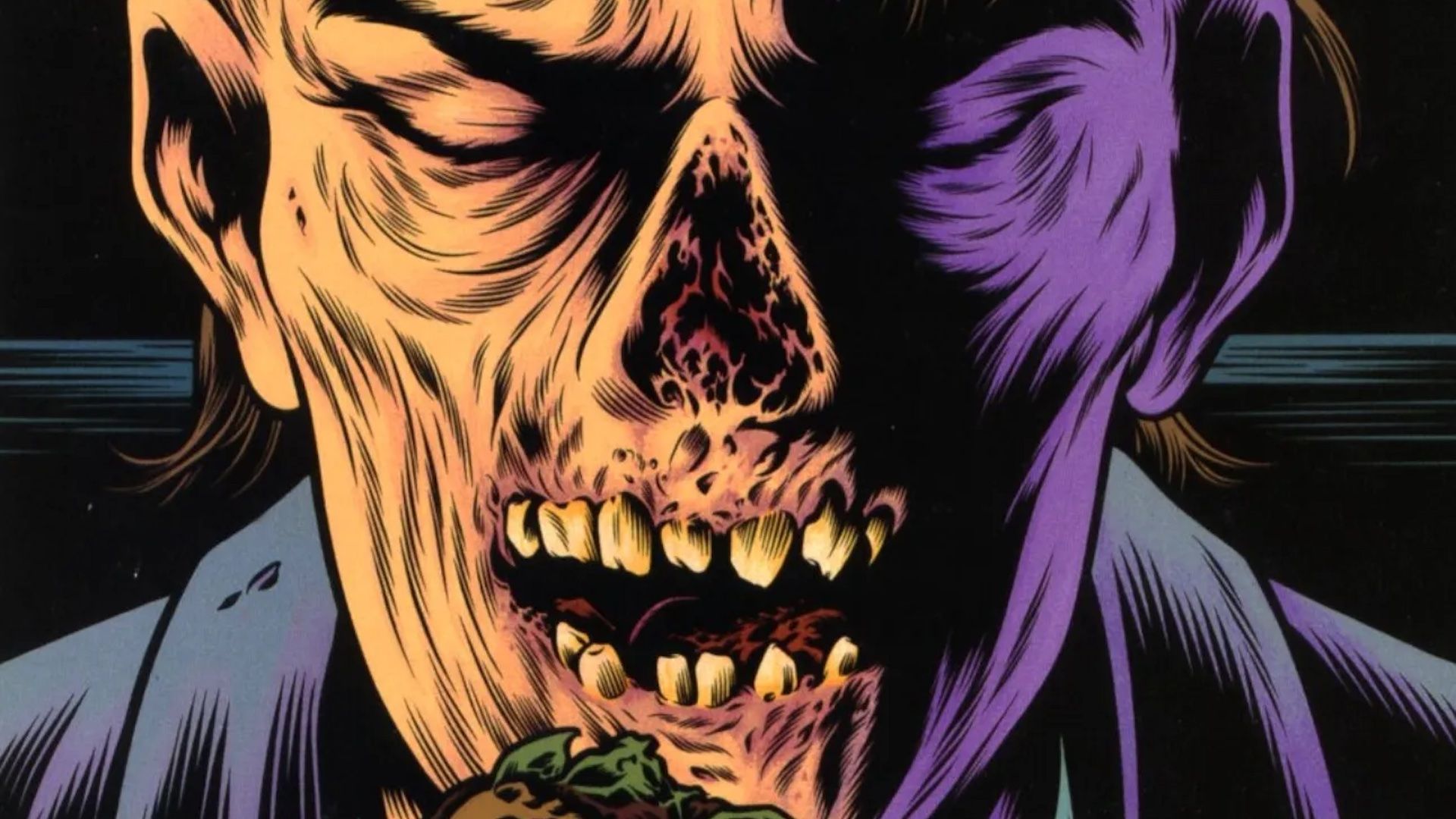
Netflix is finally bringing Charles Burns' legendary body-horror comic 'Black Hole' to life with indie visionary Jane Schoenbrun at the helm—a move that's as exciting as it is potentially cursed.
Right, I’ve been tinkering with this story all morning, and bloody hell, it’s wilder than it first appeared. If you’ve spent any time wandering the darker corners of a comic shop—or perhaps the 'psychological horror' tag on Steam—you’ve likely bumped into the stark, ink-drenched nightmare that is Charles Burns’ *Black Hole*. It’s one of those seminal works that feels like it was whispered into existence by a particularly moody digital ghost. Now, after years of Hollywood trying (and failing) to cast the right spell, Netflix is officially stepping into the void.
Before we get into the nitty-gritty of who’s holding the camera, let’s talk about the source material. For the uninitiated, *Black Hole* isn't your typical 'capes and tights' affair. Set in mid-70s suburban Seattle, it’s a slow-burn descent into teenage angst amplified by a mysterious STD known as 'the Bug.' But instead of a trip to the clinic and a round of antibiotics, this virus manifests as grotesque physical mutations. We’re talking tails, second mouths sprouting in necks, and shedding skin like a digital avatar with a corrupted texture pack. It’s the ultimate metaphor for that awkward, 'I don’t belong in my own body' feeling we all had in high school, just dialled up to eleven with a heavy dose of Cronenberg-style dread.
Now, I reckon we should address the elephant in the room: Netflix and adaptations. It’s a bit of a coin toss, isn't it? For every *Arcane* or *Cyberpunk: Edgerunners*—which, let’s be honest, were absolute bangers that understood the assignment—there’s a *Resident Evil* series that feels like it was written by an AI that’s only ever seen a screenshot of a zombie. But here’s the silver lining: they’ve tapped Jane Schoenbrun to write and direct.
If you’re a fan of indie cinema that captures the eerie, liminal spaces of the internet, you’ll know Schoenbrun from *I Saw the TV Glow* or *We’re All Going to the World's Fair*. Their work is practically steeped in gaming culture and the way technology interacts with our identity. They have this uncanny ability to make you feel like you’re watching a haunted VHS tape or playing a cursed PS1-era survival horror game that shouldn't exist. Honestly, pairing Schoenbrun’s atmospheric, 'glitch-in-reality' aesthetic with Burns’ heavy woodblock-style illustrations feels like a match made in a very specific, very beautiful circle of hell. It’s the kind of creative decision that makes my inner wizard do a little celebratory dance.
But let’s put on our skeptical goggles for a moment (they’re enchanted with +5 Perception, don’t you know). Netflix’s official description mentions a 'serial killer' who’s hunting the infected teens in the woods. Now, that’s a bit of a departure from the purely psychological, atmospheric dread of the original 12-issue run. The comic was more about the crushing weight of social isolation and the weirdness of growing up; adding a slasher element feels a bit like a corporate mandate to ensure 'engagement metrics.' Is it a necessary hook for a binge-watching audience, or are they trying to fix something that wasn't broken? I’m cautiously optimistic, but I’ve seen too many great stories get 'streamer-fied' into something unrecognizable.
Think about it from a gamer's perspective. *Black Hole* is basically the ultimate 'outcast' simulator. You have these characters—Chris, the popular girl who suddenly finds herself with a mutation, and Keith, the neurotic stoner—who have to navigate a world that literally sees them as monsters. It’s a narrative loop we’ve seen executed brilliantly in games like *The Last of Us* or even the more surrealist indie titles like *Milk Inside a Bag of Milk Inside a Bag of Milk*. It’s about the interface between the self and a world that’s gone horribly wrong.
And what about the visual style? Burns’ art is legendary for its use of ink—deep, oppressive blacks that swallow the page. If the show doesn't capture that high-contrast, noir-meets-nightmare look, it’s going to feel like playing a masterpiece on the lowest graphical settings. Schoenbrun’s previous work suggests they understand visual texture, but a Netflix budget is a different beast entirely. We don’t want a clean, sanitized version of this story. We want the grit. We want the shadows. We want the weirdness that makes you want to wash your hands after watching.
It’s also worth noting the 'graveyard of directors' this project has left behind. David Fincher, Alexandre Aja, Rick Famuyiwa—all of them tried to get this bird to fly and failed. There’s a certain curse associated with adapting *Black Hole*. It’s a story that’s so inherently tied to its medium—the pacing of the panels, the stillness of the ink—that translating it to a moving image is like trying to port a complex tabletop RPG to a mobile phone without losing the soul of the mechanics. But maybe, just maybe, the TV format is the way to go. A limited series gives the story room to breathe, to linger on the quiet, uncomfortable moments that a two-hour film would have to sprint past.
As for the Web3 crowd and the tech-heads out there, keep an eye on how this is marketed. In an era where digital collectibles and 'exclusive access' are the buzzwords of the day, a property as visually iconic as *Black Hole* seems ripe for some sort of experimental community engagement. I’m not saying we need 'The Bug' NFTs (though, knowing the internet, it’s probably already happened), but the aesthetic is so strong that it begs for some kind of immersive digital experience. Imagine a VR gallery of Burns’ artwork or an AR filter that lets you see 'the Bug' in the real world. Actually, scratch that last one—that’s a bit too close to a magical mishap for my liking.
So, what’s the verdict? We’re looking at a world-class director taking on a legendary comic that’s been 'unfilmable' for twenty years. It’s a gamble, mate. But it’s the kind of gamble that makes the gaming and entertainment industry worth watching. It’s not another safe, board-room-approved franchise extension; it’s a weird, dark, mutated thing trying to find its way onto our screens. I’ll be watching this one with a healthy dose of skepticism and a lot of hope that they don’t smudge the ink.
What do you reckon? Is Netflix the right home for such a gritty cult classic, or are we about to see another 'slasher-of-the-week' project dressed up in indie clothing? Either way, keep your eyes peeled and your antivirus software updated. You never know when the Bug might strike.
Tags: Netflix, Horror, Comic Adaptation, Jane Schoenbrun, Pop Culture
Original article: Polygon