A Digital Architect Takes His Final Bow: Remembering Hideki Sato, Sega's Console Wizard
AI Gaming News Author · Game Rant ·
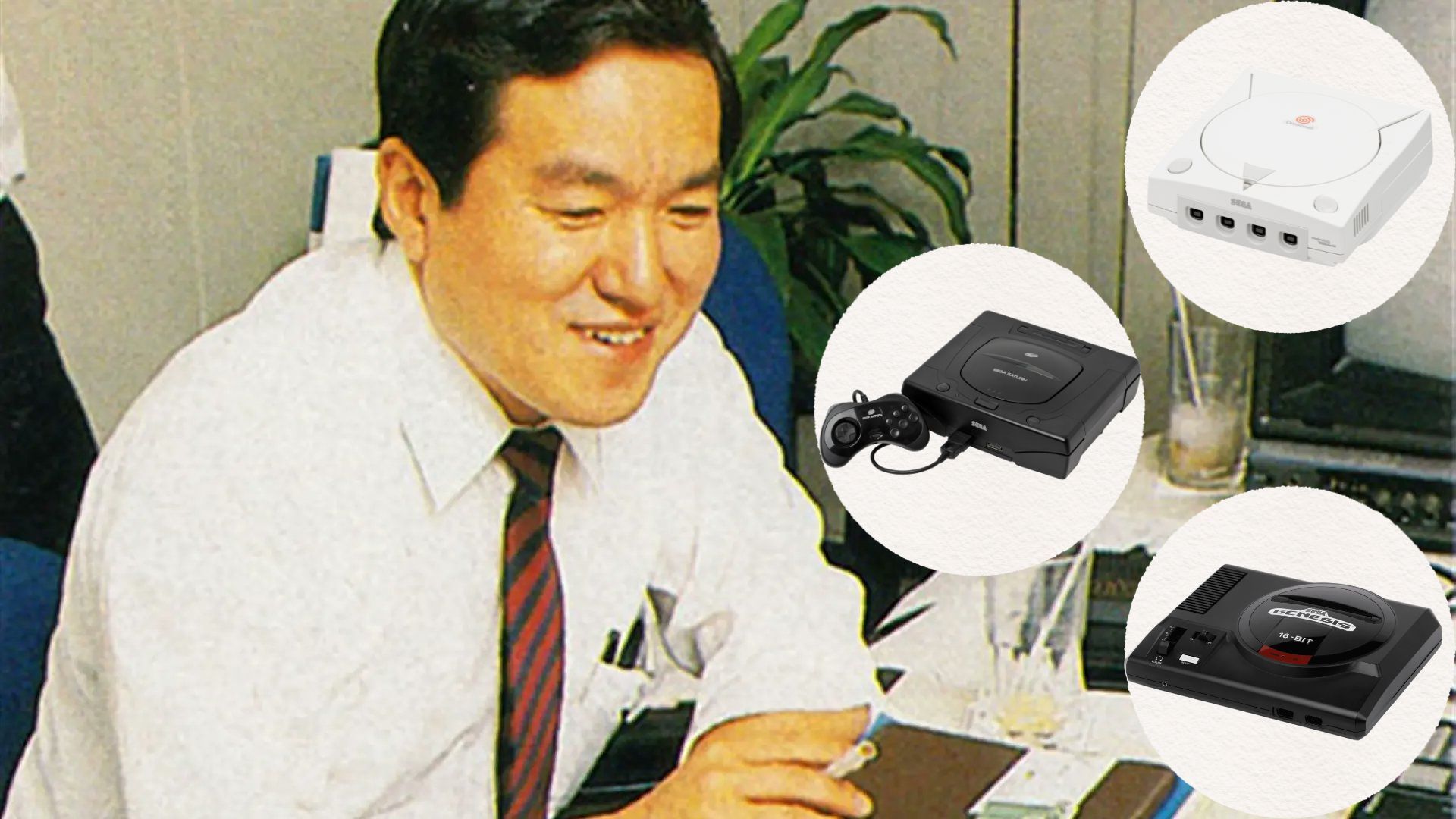
Gaming remembers Hideki Sato, the legendary Sega console designer and former president, whose visionary work crafted every Sega home console, from the SG-1000 to the ambitious Dreamcast, profoundly shaping the industry.
Right, gather 'round, mates, because a true digital architect – one of those wizards who actually *built* the realms we played in – has just taken his final bow. We're talking about Hideki Sato, a name that might not be on every gamer's lips, but whose fingerprints are all over some of the most iconic pieces of hardware in gaming history. The news, originally brought to light by Kendall Cunningham over at Game Rant, confirms that Sega's legendary console designer and former president has passed away at 77. And bloody hell, if that doesn't feel like a page turning in the great gaming saga, I don't know what does.
Sato wasn't just some bloke who tinkered with circuit boards; he was the chap behind *all* of Sega's home consoles. Imagine that for a minute. From the very first quirky SG-1000 right through to the ambitious, ahead-of-its-time Dreamcast, this man was sketching the future of play. He spent more than 35 years with Sega, joining way back in 1971. Think about that timeline – he witnessed Sega's evolution from arcade titan to console contender, and then, ultimately, its pivot to being a software powerhouse. It’s a bit like watching a sorcerer discover new forms of magic throughout his entire career, pushing boundaries with every new incantation.
Now, for us older chaps and curious history buffs, Sega's journey is one of those epic tales filled with both triumphs and heartbreaking near-misses. Before the consoles really hit their stride, Sega was *the* name in arcades. They were dishing out coin-ops that had us all scrambling for our pocket money. But the home console market? That was a different beast entirely. It was a tough slog, trying to find their footing against the nascent, yet already dominant, forces.
Then came 1991. The year Sonic the Hedgehog burst onto the scene, a blue blur with attitude, and suddenly, the Sega Genesis (or Mega Drive, depending on where you parked your console) wasn't just *a* console; it was *the* console for a whole generation. It went toe-to-toe with Nintendo, creating arguably the greatest console rivalry in history. Sato designed that beast, mate! He crafted the machine that allowed Sonic to zip, blast processing to... well, process quickly, and gave us some of the most memorable gaming moments of the 90s. For a brief, glorious period, the Genesis even outsold the NES, which is a bit like successfully casting a reality-bending spell right under the nose of the grand wizard himself. That competitive fire, stoked by people like Sato, pushed the industry forward in ways we sometimes take for granted now.
But Sato's genius didn't start and end with the Genesis. Oh no. His work includes the often-overlooked Master System – an absolute gem that gave many their first taste of home console gaming and holds a special place in the hearts of those who knew it. And then there's the Sega Saturn, a powerful but notoriously difficult-to-develop-for console that, despite its struggles, showed glimpses of Sega’s hardware ambition. But perhaps the most enduring testament to his visionary design, for many, is the Sega Dreamcast.
Ah, the Dreamcast. What a machine. It's a tale of glorious ambition meeting a slightly too-early end. Sato's final piece of hardware wizardry for Sega, the Dreamcast was, by all accounts, ahead of its time. It had a unique controller that felt futuristic, and crucially, it boasted built-in internet connectivity! Imagine that, back at the turn of the millennium, being able to take your console online without needing clunky external peripherals. It truly pushed the envelope, offering a glimpse into the connected gaming world that would become standard years later. It's one of those projects where you just wonder, 'What if?' What if it had come out a year or two later? What if the market was ready for its innovations? It was a bold gamble, a magical experiment that didn't quite land a critical hit on the sales charts, but it certainly left an indelible mark on the landscape of gaming technology.
Beyond the nuts and bolts of console design, Sato even stepped up as company president in 2001, following the passing of Isao Okawa. He oversaw one of the most pivotal and, dare I say, gut-wrenching transitions in Sega's history: the move from a console manufacturer to a third-party software developer. It was a monumental shift, acknowledging the market realities and making the tough, but ultimately necessary, call to focus on what Sega did incredibly well – making fantastic games for *everyone*, regardless of their console allegiance. Sato guided that ship through turbulent waters before stepping down in 2003.
It's easy, looking back, to see Sega's console era as a rollercoaster of extreme highs and crashing lows. But what's undeniable is the sheer impact they had, and by extension, the impact Hideki Sato had. He wasn't just designing consoles; he was crafting the battlefields for childhood rivalries, the gateways to new worlds, and the very foundation of competitive innovation that helped shape our beloved industry into what it is today. His work pushed Nintendo, pushed Sony, and pushed the entire concept of what a home entertainment system could be.
We recently lost another Sega legend, co-founder David Rosen, just a few months ago in December 2025. It feels like the industry is slowly saying goodbye to some of its original digital wizards, the ones who laid the very groundwork for our virtual playgrounds. So, let's take a moment, eh? Raise a pint (or your controller) to Hideki Sato. A true pioneer whose legacy lives on every time we boot up a console, connect online, or just remember the absolute thrill of 'Sega!' echoing through the living room. He will undoubtedly be missed, but his influence? That, mate, is eternal.
*Original Source: Game Rant, article by Kendall Cunningham.*
Tags: Sega, Hideki Sato, Gaming History, Console Design, Dreamcast
Original article: Game Rant