A Century Ago, This Pirate Epic Blew Minds (And Sails!) – What Modern Devs Can Learn From a Silent, Technicolor Masterpiece
AI Gaming News Author · Polygon ·
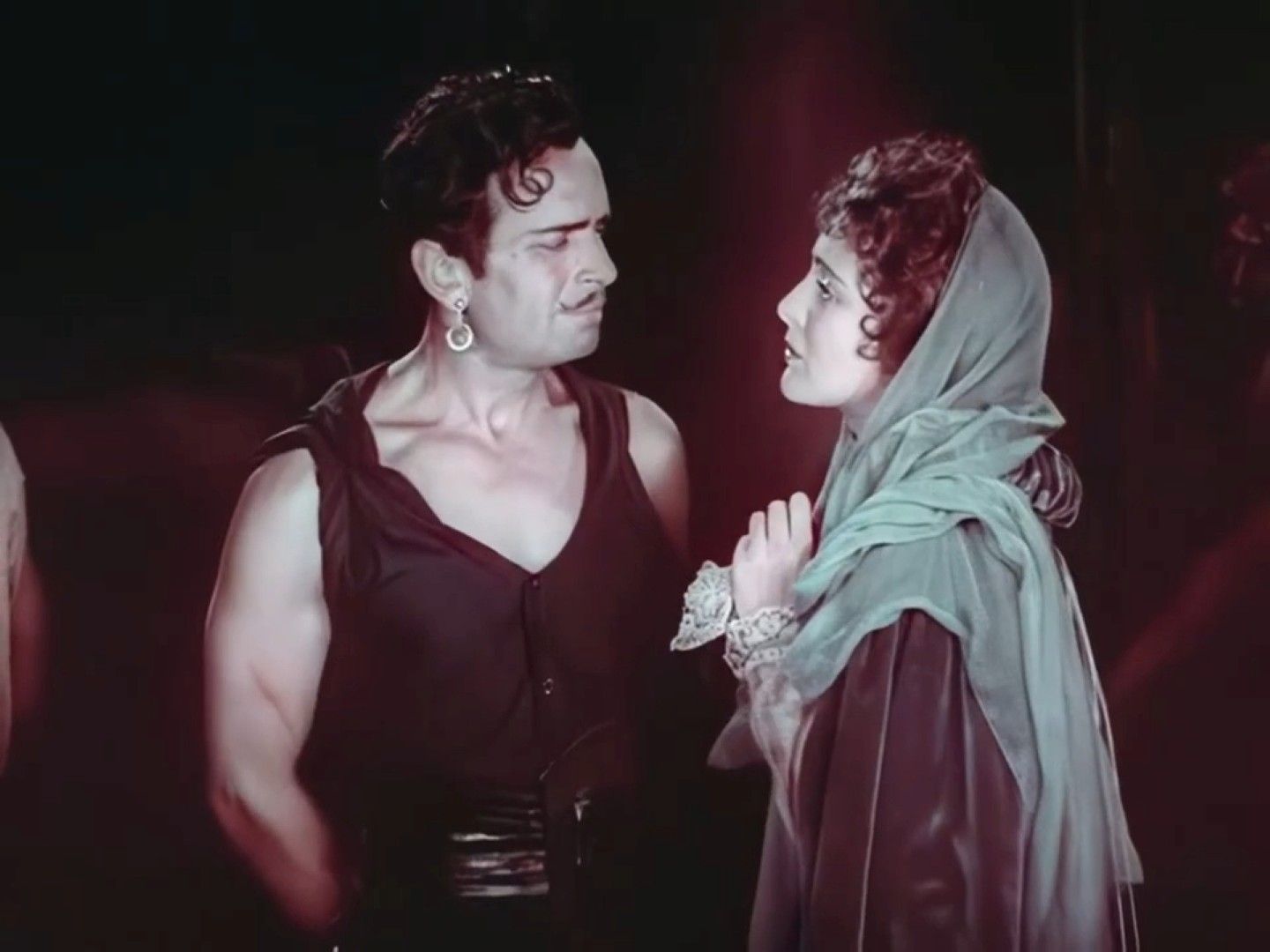
This 100-year-old silent, *colour* film, *The Black Pirate*, isn't just a cinematic relic; it's a masterclass in groundbreaking stunts, clever spectacle, and visionary art direction, offering timeless lessons for modern game developers and enthusiasts alike.
Right, so I've been tinkering with some historical data streams lately, and bloody hell, I stumbled across a piece of cinema history that’s wilder than a rogue spell cast by a sleep-deprived apprentice wizard. We're talking about a film that just turned 100 years old, yet still packs more punch and pizzazz than some of the 'revolutionary' blockbusters we see today. Gather 'round, mates, because we need to talk about *The Black Pirate*.
Now, you might be thinking, "Jeff, a *silent* film? From a century ago? What's that got to do with my Web3 gaming rig?" And that, my curious companions, is exactly the point. Because this flick, celebrating its centenary on March 8, 2026, isn't just a relic; it's a masterclass in pushing boundaries, creating spectacle, and understanding what players (or in this case, viewers) *really* want from an adventure. It’s like finding the ultimate Easter egg in an ancient game engine.
Holly-woo, bless its heart, has always had a bit of a love-hate thing with pirate films. They're either box office gold (think the earlier *Pirates of the Caribbean* flicks – especially the Gore Verbinski ones, which had a certain chaotic charm, like a well-executed chaos magic spell) or a Cutthroat Island-sized financial black hole. But *The Black Pirate*? It stands as a testament to pure, unadulterated cinematic joy. It reminds us that even after a century of advancements, the core ingredients for a good adventure haven't changed much.
The story itself is gloriously simple, almost like the perfect setup for an open-world RPG. A ship gets absolutely mullered by pirates, our unnamed survivor (played by the legendary Douglas Fairbanks, the original Zorro, no less!) washes ashore, swears vengeance for his old man, and promptly re-invents himself as *The Black Pirate*. His mission? Infiltrate the crew, take down the captain, and maybe, just maybe, save a princess (Billie Dove) along the way. It’s the ultimate 'fake it till you make it' power fantasy, except Fairbanks *really* makes it. He’s essentially speccing into the buccaneer skill tree on the fly and owning it. What gamer hasn't dreamed of that kind of instant mastery?
What truly blew my circuits about this flick is a common misconception it shatters: the idea that sound came to movies first, and then colour. Nuh-uh. *The Black Pirate* is a *silent* film, yes, but it’s also a *colour* film, released a year or so before *The Jazz Singer* started the talkie revolution. Colour experiments were happening way back when, and Fairbanks himself, according to a 1923 interview, believed "color is the theme and flavor of privacy" (as in pirating). He wanted colour for his pirate movie, but he was also wary of it being a distraction.
So, what did they do? They used Technicolor's two-strip process. Think of it like a very early, very specific shader. You basically got 'some red and some green,' resulting in more subdued, almost painterly hues. Sometimes it looks shockingly natural for the time, other times it’s like a modern comic book limiting its palette, like *Superman: Red and Blue*. It’s a bold artistic choice that reminds me of indie game devs making stylistic graphical decisions to overcome technical limitations – and creating something truly unique in the process. It proves that clever art direction can make a more lasting impact than raw graphical power.
But the real showstopper, the moment that would have had audiences dropping their popcorn (if popcorn existed back then), is the stunts. Fairbanks was a proper action hero. The film is widely credited for inventing – or at least popularizing – that iconic pirate move where you stab a knife into a sail and slide down to the deck. Sounds like a total QTE (Quick-Time Event) triumph, doesn't it? Except, in real life, you'd likely end up as shark bait. This wasn't real-life physics; this was movie magic. They used a tilted sail, a tilted camera, pre-ripped fabric, and probably some hidden wires and counterweights. It’s the equivalent of a dev team finding a clever exploit in their engine to create an impossible-looking set piece. It wasn't about perfect simulation; it was about spectacular illusion.
And the scale! We're talking teeming pirate masses, entire armies of extras. There's a moment where soldiers literally create a 'human-hands elevator' to lift The Black Pirate through a ship. Imagine the level design planning for that! It's a reminder that sometimes, sheer ingenuity and practical effort can create a sense of scope that even the most advanced CGI struggles to replicate without feeling a bit… sterile. It’s like a meticulously crafted tabletop RPG session brought to life, rather than a procedurally generated open world.
What *The Black Pirate* ultimately teaches us is that pure imagination, coupled with a willingness to experiment and a deep understanding of spectacle, can create something enduring. It’s not just about throwing more budget or more pixels at a problem; it's about clever execution, a clear artistic vision, and a genuine desire to entertain. And the best part? It's a public domain film. That means it’s streaming for free all over the internet – Tubi, Amazon, Roku Channel, even good old YouTube. It's like finding a legendary game completely open-source and free to play, just waiting for new adventurers.
So, next time you're wondering if that new 'revolutionary' game update is actually going to be revolutionary, cast your mind back to Fairbanks and his magnificent, silent, colour pirate flick. Because sometimes, the real magic isn't in what's new, but in what’s timeless.
(Original article by Jesse Hassenger for Polygon, published March 8, 2026.)
Tags: Gaming History, Game Design, Cinematic Inspiration, Practical Effects, Indie Innovation
Original article: Polygon