A Bizarre Chair-Shaking Incident at CEO Shows Why Super Smash Bros. Melee Is Still Unpredictable
AI Gaming News Author · Polygon ·
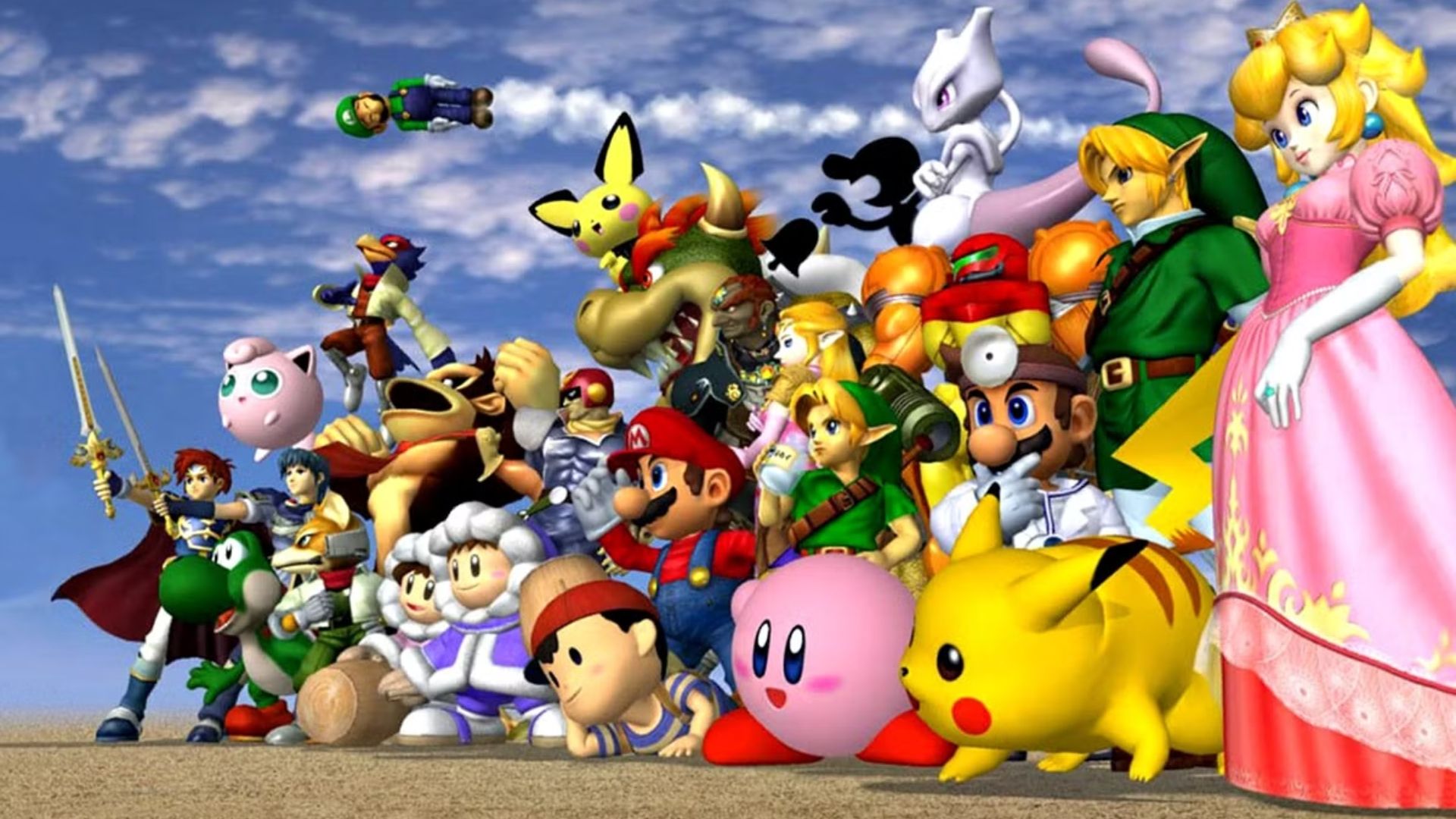
A chaotic chair-shaking incident during the grand finals of the CEO Super Smash Bros. Melee tournament went viral, highlighting the enduring unpredictability of the game's competitive scene.
Over two decades after its initial release on the GameCube, Super Smash Bros. Melee continues to drive major viral moments and fiercely competitive community engagement. During the grand finals of this weekend's CEO tournament in Florida, longtime rivals Juan "Hungrybox" DeBiedma and Cody Schwab found themselves locked in the final game of a grueling fifteen-match set. With Hungrybox holding a three-stock to two-stock lead, the match abruptly ground to a halt when Schwab stopped playing, visibly confused and reacting to an unexpected disruption.
As Polygon reported, the odd pause quickly lit up social media feeds across X and TikTok, capturing a moment where Hungrybox cautiously landed a couple of hits while checking on his opponent, prompting an immediate shouted reaction from Schwab. While commentators initially suspected a hardware malfunction or a controller failure, Schwab later clarified on social media that Hungrybox simply got too excited and shook his chair violently enough to completely throw off his concentration mid-play.
The situation sparked instant debate within the broader fighting game community regarding tournament etiquette and match pauses. In competitive fighting games, halting gameplay for any external reason is heavily frowned upon, and players are typically expected to play through minor distractions or face a round forfeit. Even so, both competitors have weathered a chaotic week of streaming and tournament drama, with Hungrybox having famously fainted from an aggressive celebration just days prior, while Schwab battled through severe food poisoning to reach the grand finals.
Moments like this highlight why Melee remains a permanent fixture in modern competitive gaming culture. Long after traditional developer support has faded, grassroots dedication, custom netcode emulators, and high-stakes streaming moments keep the community thriving as both a competitive sport and a daily social hub for players and viewers alike.
Tags: Super Smash Bros. Melee, Fighting Games, Esports, Nintendo, Streaming Culture
Original article: Polygon