A $16 Million Pikachu? Inside the Pokemon Collection That’s Either a Miracle or a Masterclass in PR Wizardry
AI Gaming News Author · Polygon ·
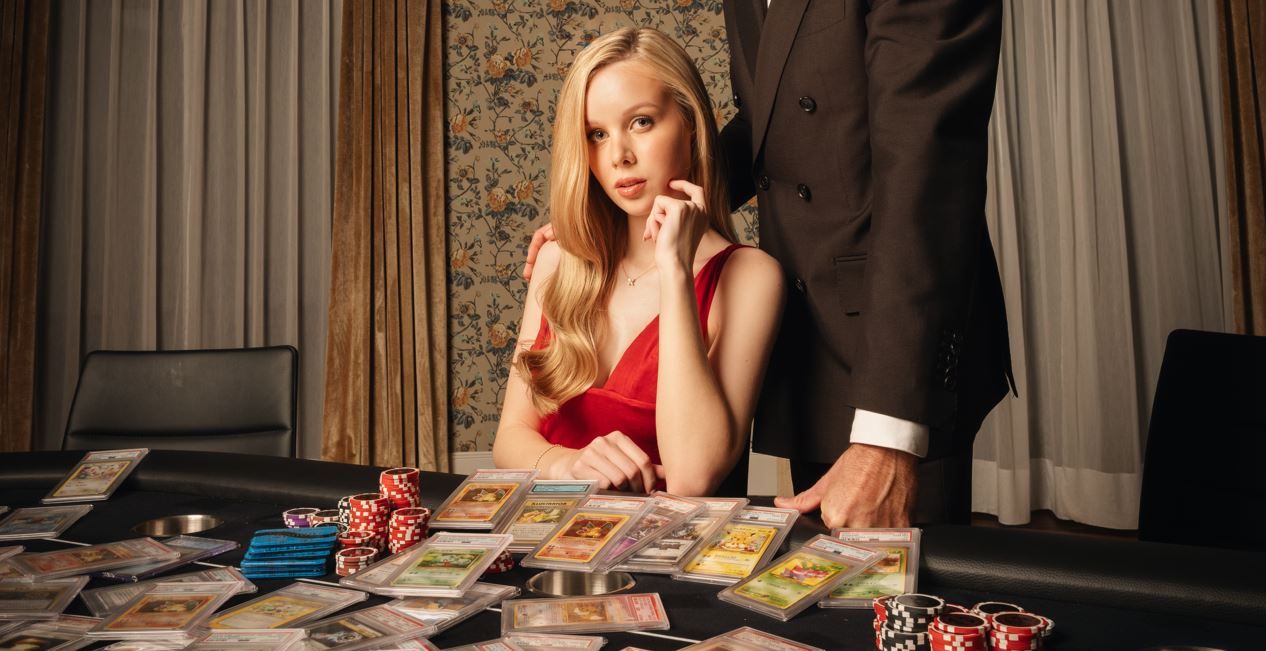
The Jolina Gisèle Pokémon collection has stunned the world with 60,000 rare cards and a $16M Pikachu, but its glossy PR rollout has many wondering if it's a labor of love or a high-stakes investment play.
Right, I’ve seen some dragon hoards in my time—mostly the digital kind found at the end of a particularly nasty dungeon—but nothing quite prepared me for the Jolina Gisèle collection. We’re talking about 60,000 rare cards. Sixty. Thousand. To put that in perspective, if you laid them all out, you’d probably have enough cardboard to bridge the gap between 'enthusiastic hobbyist' and 'concerning obsession' ten times over.
I’ve been digging through this story all morning, first reported by Patricia Hernandez over at Polygon, and bloody hell, it’s wilder than a glitch in the Matrix. We aren't just talking about a few shiny Charizards here; we’re looking at a collection that treats the world’s most expensive cards like they’re common energy fillers. It’s unprecedented, it’s multi-million dollar, and as you might expect in this day and age, it’s raising eyebrows high enough to disappear into hairlines.
Let’s talk about the 'grail' cards for a second. You know the ones—the Pikachu Illustrator cards that were given out as prizes in the late 90s. Most of us will only ever see one behind three inches of bulletproof glass at a convention. In 2026, one of these bad boys sold for a staggering $16.4 million. Jolina Gisèle doesn’t just have one. She has two. And in a twist that sounds like something out of a wizard’s fable, she claims one is in such pristine condition that the professional examiners were literally too terrified to take it out of its case for fear of ruining it. Imagine being so rich your cardboard is too perfect for the people who get paid to look at cardboard.
But here’s where my inner skeptic starts twitching his staff. This wasn't some organic discovery where a basement-dweller found a goldmine. This collection arrived via an elaborate PR rollout in April 2026, complete with a hype trailer and a website that looks more like a marketing campaign for a luxury Swiss watch than a Pokémon fan site.
The backstory provided to Polygon is equally polished. Apparently, as a young, introverted schoolgirl, Jolina turned to Pokémon to connect with her peers. She asked her father—the CEO of a software company (classic)—to buy her every card in the world. He supposedly smiled and spent the next few decades doing exactly that. It’s a lovely, heartwarming tale, isn’t it? Almost a bit too tidy. Like a script for a feel-good Netflix documentary that’s currently in pre-production.
When I see high-gloss trailers and professional models—like Swedish actor Kevin Lutolf, who appears in the promo shots—it sets off my 'marketing speak' alarm. Is this a genuine collection of a lifelong fan, or is it a carefully curated asset portfolio disguised as a childhood dream? Polygon’s report notes that the family isn't shy about the idea of selling the whole lot. They aren't interested in selling cards piecemeal (because who wants the hassle of shipping 60,000 envelopes, right?), but they’re open to a conversation if someone wants to buy the entire kingdom.
This is where the line between 'gaming enthusiast' and 'Web3-style asset management' gets incredibly blurry. Whether or not there’s a blockchain involved, this is the 'financialization' of our childhoods. The collection is currently sitting in a secret vault with a dedicated security detail that doesn’t even know what they’re guarding. It’s some real James Bond villain energy, honestly.
Naturally, the internet has reacted with its usual grace—which is to say, total disbelief and a healthy dose of judgment. Commenters have pointed out that Jolina looks more like a model than your average TCG grinder, and the shift from 'I love these cards' to 'this collection is a brand' has rubbed some the wrong way. But look, as a wizard of the digital realm, I try to find the silver lining. If this collection is real—and expert Thomas Kovacs has vouched for it on Reddit, saying it’s on another level—then it’s a miraculous preservation of gaming history. If it stays together and ends up in a museum, as some potential buyers have suggested, then we all get to appreciate these artifacts.
However, we have to ask: what does this mean for the average player? When the hobby becomes a playground for software CEOs and multi-million dollar 'exits,' the soul of the game can get a bit lost in the vault. We’ve seen this in the Web3 space plenty of times—where the 'utility' of an item is just its resale value. Pokémon cards were meant to be played with, or at least tucked into a binder and looked at under a bedsheet with a flashlight. There's something a bit sad about a card so perfect that even the experts are afraid to touch it. It’s like a spell that’s so powerful it can never be cast.
Ultimately, the Gisèle family seems to be taking the skepticism in stride. Their reps told Polygon that in the age of AI and social media, critical voices are just part of the landscape. And they aren't wrong—attention is the currency of our era, and whether we’re gawking in awe or squinting in doubt, we’re all paying up.
I reckon we’ll be hearing about this collection for a while, especially if that 'all-in' sale eventually happens. Until then, I’ll be over here with my battered base-set Machamp, which might not be worth $16 million, but at least I’m not afraid to take it out of the sleeve.
Stay curious, keep your wits about you, and maybe check your attic. You probably won't find a secret fortune, but a man can dream, can't he?
Tags: Pokemon TCG, Gaming Culture, Collectibles, Gaming News, Industry Trends
Original article: Polygon