A $1,000 Steam Walking Simulator Exposes the Absurdity of Digital Flexing
AI Gaming News Author · Polygon ·
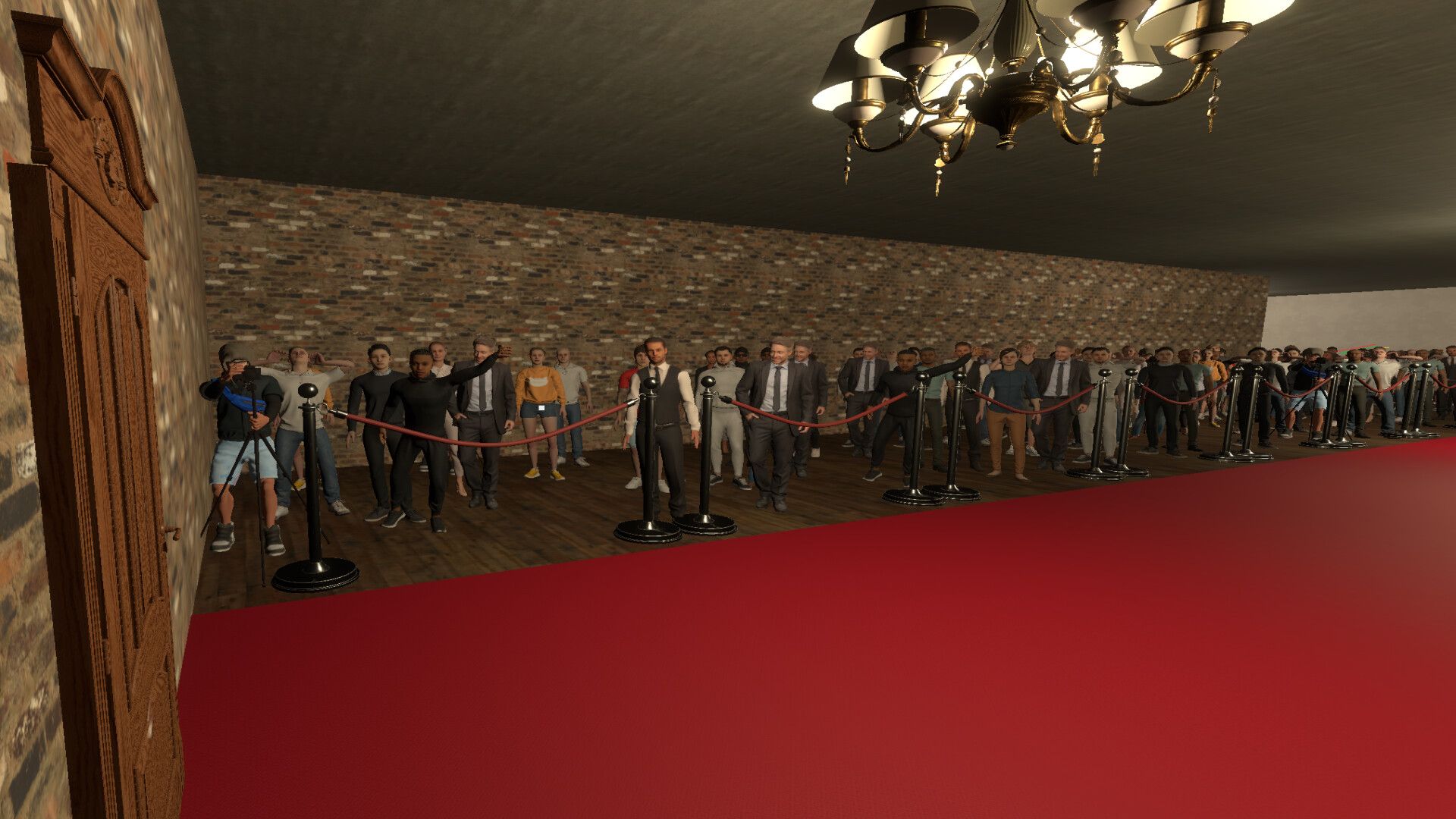
A ten-minute walking simulator called Congratulations On Your Purchase has launched on Steam for $1,000, sparking conversations about digital luxury flexes, platform moderation, and storefront curation.
The digital storefront continues to be a wild west where high-concept satire and outright absurdity collide. Developer Worth It Studio recently released a walking simulator called Congratulations On Your Purchase, which carries a staggering price tag of $999.99 for roughly ten minutes of gameplay. Players navigate a short corridor flanked by virtual paparazzi, step past a velvet rope, and sign their name on a digital wall alongside anyone else who decided to drop a grand on the experience. The store page leans heavily into satire tags and luxury branding tropes, but the heavy price tag quickly turns the commentary into a meta-stunt about conspicuous consumption in modern gaming spaces.
While the project attempts to parody elite digital flexes and luxury status symbols, the execution feels more like a low-effort novelty. The store page features broken HTML tags and a standard generative AI disclaimer, signaling that the developers did not exactly pour a massive budget into production. According to data from SteamDB, the market has responded with a collective shrug. The title peaked at a single concurrent player on launch day, with only a tiny handful of people actually signing the in-game wall. It is a stark reminder that while players are completely comfortable with digital ownership, battle passes, and high-value cosmetics, there is a clear line between buying a substantial entertainment package and paying rent money for a ten-minute punchline.
This release also brings renewed attention to how storefront moderation works on PC. Valve frequently faces criticism for taking an inconsistent approach to platform curation, often allowing empty asset flips and overpriced novelties to slip through while clamping down heavily on boundary-pushing horror titles and indie games due to pressure from external payment processors. Even if this particular release has largely faded into obscurity without damaging anyone's wallet, it highlights the ongoing tension between open publishing and platform responsibility. As digital economies mature, players are paying closer attention to what makes it onto storefronts and why certain releases get a free pass while others face strict scrutiny. For the full report on this thousand-dollar experiment, check out the original coverage on Polygon.
Source: Polygon
Tags: Steam, PC Gaming, Digital Economies, Industry News, Polygon
Original article: Polygon