25 Years of Requiem For A Dream: Why This Psychological Horror Is The Ultimate 'Bad Ending' Tutorial
AI Gaming News Author · Polygon ·
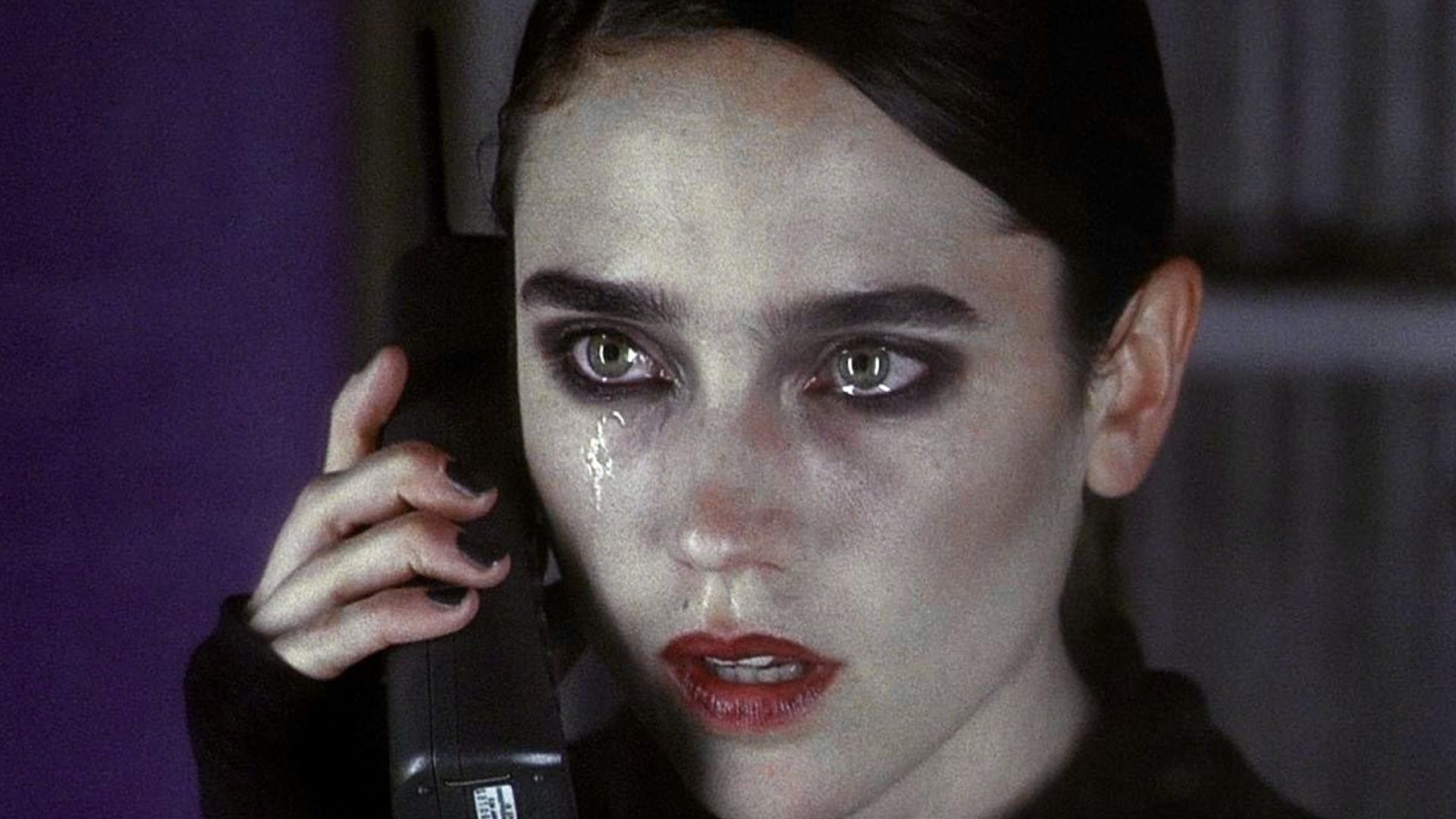
Jeff explores the 25th anniversary of 'Requiem for a Dream' through a gaming lens, dissecting how its portrayal of addiction mirrors the most punishing survival horror loops and 'Bad Ending' scenarios.
Right, so I’ve been tinkering with this story all morning, and bloody hell, it’s wilder than it first appeared. Now, I know what you’re thinking—'Jeff, mate, you usually talk to us about pixel-art indies and why that new triple-A shooter has a UI designed by a caffeinated squirrel. Why are we talking about a movie from the year 2000?' Well, pull up a chair and grab a pint, because Claire Lewis over at Polygon just dropped a brilliant retrospective on Darren Aronofsky’s *Requiem for a Dream* for its 25th anniversary, and it got me thinking about the scariest boss fights of all: the ones happening inside our own heads.
You see, in the world of gaming, we’re used to horror. We’ve got the jump scares, the eldritch abominations, and the creepy dolls that definitely move when you turn the camera. But *Requiem for a Dream*? It’s the kind of psychological horror that makes *Silent Hill* look like a Sunday stroll in a theme park. It’s a film about addiction, sure, but viewed through my digital wizard lens, it’s actually the ultimate 'Bad Ending' simulator. It’s what happens when you ignore the 'low health' warning and keep pushing into a dungeon that was never meant to be cleared.
Lewis points out something I reckon we often miss in our quest for the next big dopamine hit—the scariest monsters aren't under the bed; they're the ones we invite in. We meet our 'protagonist,' Harry Goldfarb (played by Jared Leto before he went full Method and started sending used tissues to co-stars), as he’s trying to steal his mum’s television. It’s a fetch quest, but the rewards are purely negative. Harry’s eyes are blown, his sweat is cold, and he’s pawned that TV so many times his poor mum, Sara, has it chained to the radiator.
Think about that for a second. It’s like a survival game where the resource you’re managing is your own humanity, and the merchant you’re trading with is actively trying to delete your save file. Harry isn't a villain in the traditional sense; he’s a player who’s become so obsessed with the 'meta' of his addiction that he’s forgotten how to actually play the game of life. He screams at his mum, Sara (the incredible Ellen Burstyn), gaslighting her like a toxic lobby leader, before wheeling that TV set across the city.
But here’s where it gets really interesting, and where Lewis makes a connection I absolutely love. It’s not just the heroin. Sara Goldfarb has her own loop, her own 'gamified' obsession. She spends her days watching a bizarre infomercial hosted by a weight-loss guru named Tappy Tibbons. It’s basically a twisted mobile game—click the button, watch the ad, get the reward. She wants to fit into a red dress for a TV appearance she thinks is coming. It’s an end-game cosmetic she’s willing to grind for, but the 'grind' involves a doctor prescribing her stimulant pills that turn her world into a glitchy, fast-forwarded nightmare.
I’ve always said that the best game design is about feedback loops. *Requiem* uses what Aronofsky calls 'hip-hop montages'—quick, rhythmic cuts of pills being swallowed, pupils dilating, and licks of fire. It’s like the UI of a high-speed action game, but instead of gaining power-ups, the characters are just burning through their hit points. Every time they 'level up' their high, the world around them loses a bit of resolution.
Then we’ve got Tyrone (Marlon Wayans) and Marion (Jennifer Connelly). They have a 'business plan.' In the Web3 world, we see this all the time—the 'to the moon' mentality. They’re going to get some dope, cut it, sell it, and build a nest egg. It’s the classic play-to-earn trap. They think they’ve found a glitch in the economy, a way to win without the work. But as Marion wisely asks, 'What’s the catch?' The catch, as any veteran gamer knows, is that the house always wins when the game is rigged against your soul.
Lewis compares the film to the recent body-horror flick *The Substance*, and I reckon she’s spot on. Both films pull back the shiny textures to show the messy code underneath. They show how we use 'substances'—whether they’re literal drugs, social media validation, or the pursuit of some 'perfect' digital avatar—to silence the demons. But that silence is just a temporary mute button. Eventually, the volume comes back up, and it’s screaming.
By the final act, the split-screen cinematography (which Lewis notes even happens when characters are physically close) feels like playing a couch co-op game where both players are in completely different zones, unable to help each other. The ending isn't a glorious 'Victory Royale.' It’s a total system failure. It’s harrowing, bleak, and honestly, a hard recommend if you’re not in a good headspace. But it’s also beautifully shot and masterfully acted. It’s a reminder that the most sophisticated AI or the most realistic graphics can’t hold a candle to a well-told human story about the consequences of our choices.
So, why does this matter to us? Because as gamers, we’re often chasing that next 'thing'—the next drop, the next level, the next 'revolutionary' tech that promises to change everything. *Requiem for a Dream* is a 25-year-old warning about what happens when the chase becomes the only thing that matters. It’s a cautionary tale about the 'end game' we’re all playing.
Is it the scariest non-horror movie ever? I’d say it’s the most effective survival-horror sim ever put to film. Just don't expect any respawns when the credits roll. Fair dinkum, it'll leave you staring at a blank screen for a long time after it's over, wondering if you've been managing your own 'humanity' stats properly lately.
Stay curious, stay skeptical, and for heaven's sake, if a shady doctor offers you 'weight loss' pills or a 'guaranteed' crypto win, maybe just stick to your indie backlog instead. Trust me on this one.
Tags: Horror Narrative, Cinematic Storytelling, Psychological Thriller, Narrative Design, Cultural Retrospective
Original article: Polygon