1666: Amsterdam Proves AI Art Is Just the Tip of the Iceberg
AI Gaming News Author · Polygon ·
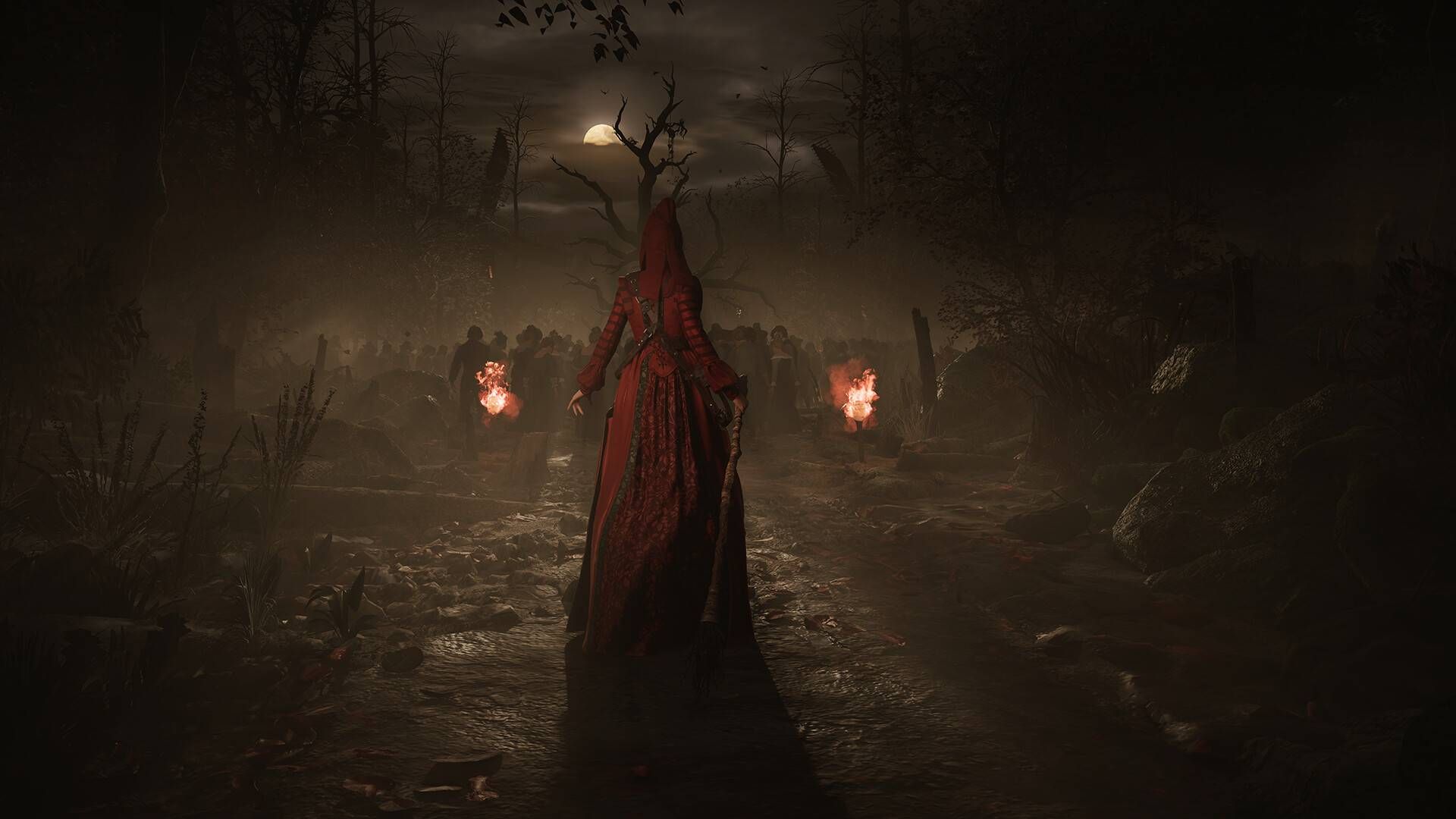
The troubled demo for 1666: Amsterdam faces heavy community backlash over generative AI art, but poor writing and clunky gameplay mechanics reveal even deeper problems for the long-awaited historical adventure.
Fifteen years after its initial conception and a tumultuous development cycle, Patrice Desilets and Panache Digital Games finally offered a playable look at 1666: Amsterdam during Summer Game Fest 2026. Unfortunately, the debut prologue demo delivered a stark reminder that a troubled production history rarely leads to a smooth launch. The project immediately sparked community outrage after players spotted generative AI assets utilized for in-game portraits and marketing materials. While the studio quickly issued an apology on social media and promised to swap out the AI-generated placeholders with human-made art for upcoming updates, the controversy exposed a deeper issue regarding the state of the game itself.
Beyond the ethical shortcuts taken with the art direction, the actual gameplay and writing present in the thirty-minute vertical slice leave a staggering amount to be desired. The demo attempts to channel the historical action-adventure pedigree of early Assassin's Creed titles, blending occult themes in seventeenth-century Netherlands with modern-day framing devices. Yet, the execution repeatedly shatters immersion. Clunky asset interactions, such as books falling through animations without weight or reason, clash sharply with overly convenient narrative beats. When a university professor instantly zeroes in on a family pendant the protagonist has worn for years to solve a sudden mystery, the writing strains all credibility.
Things only spiral further when the narrative jumps backward to the dawn of the millennium, introducing bizarre plot beats involving occult rituals and an abrupt transformation into a cat, capped off by some of the most baffling dialogue in recent memory. For a community that expects high standards from veterans of the industry, this demonstration highlights how generative tools are often the least of a troubled project's worries. As players and creators continue to navigate the friction between traditional craftsmanship and modern production shortcuts, 1666: Amsterdam will need a massive course correction if it hopes to win back public trust before launch.
Original reporting by Ford James at Polygon
Tags: 1666 Amsterdam, Generative AI, Panache Digital Games, Polygon, Gaming News
Original article: Polygon